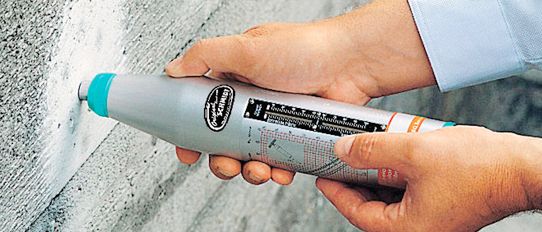
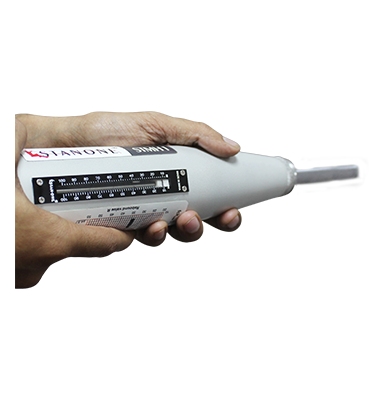
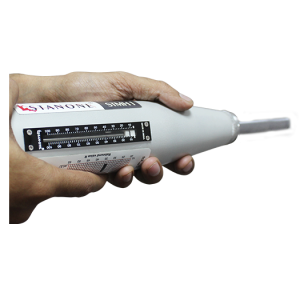
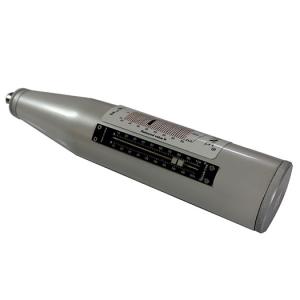
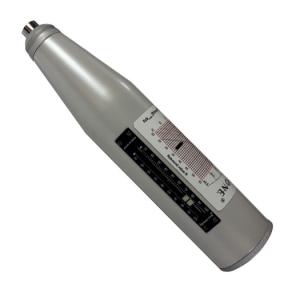
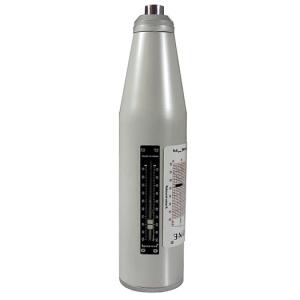
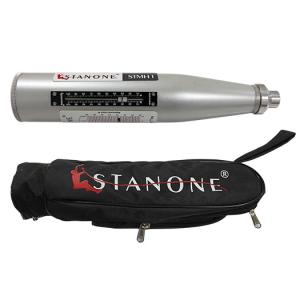
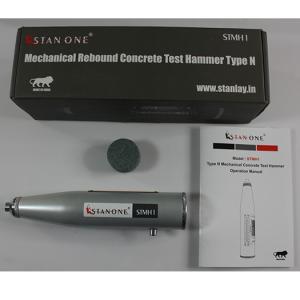
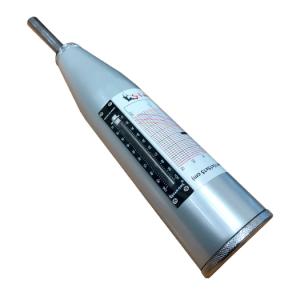
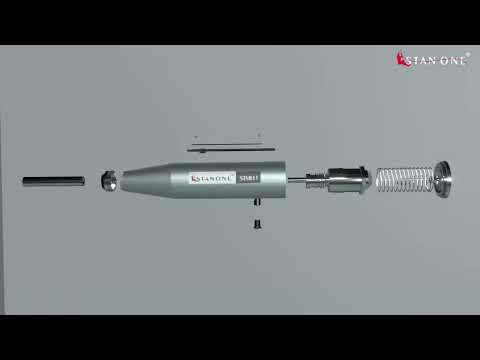
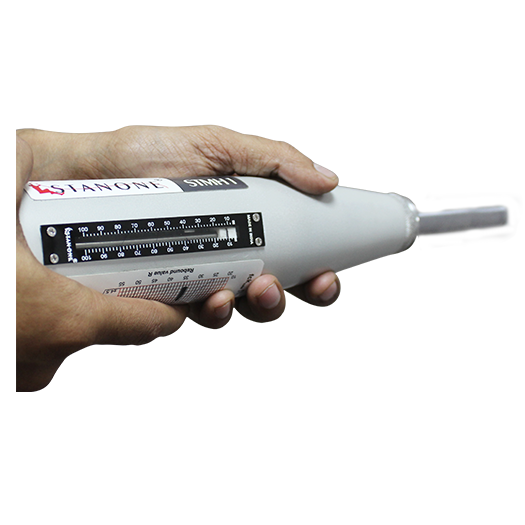
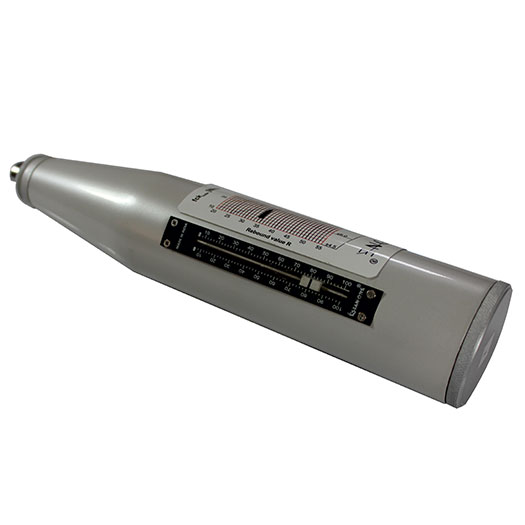
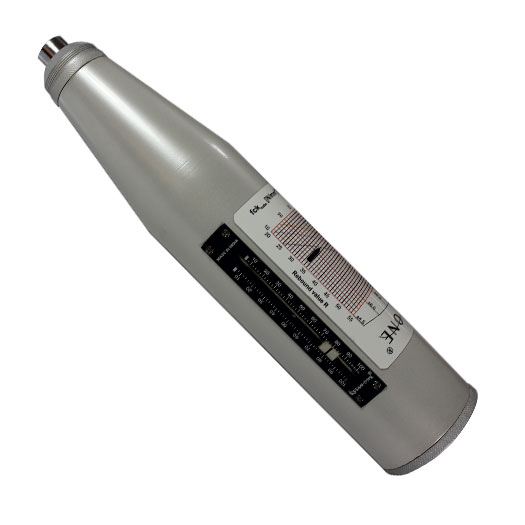
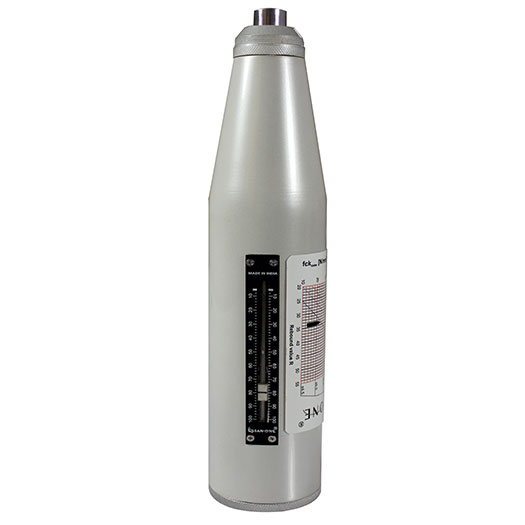
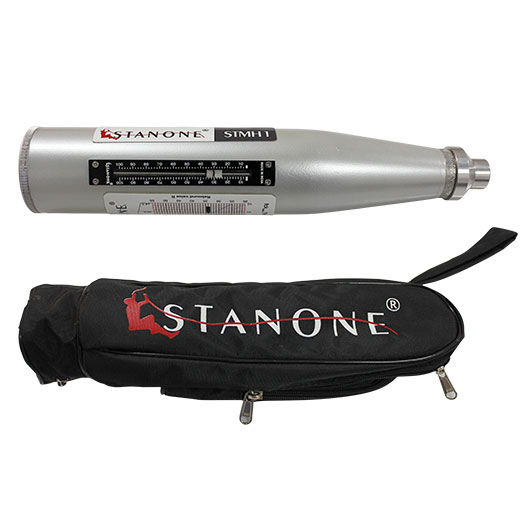
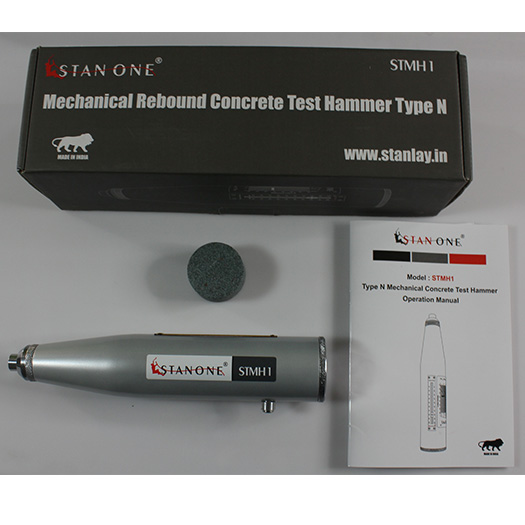
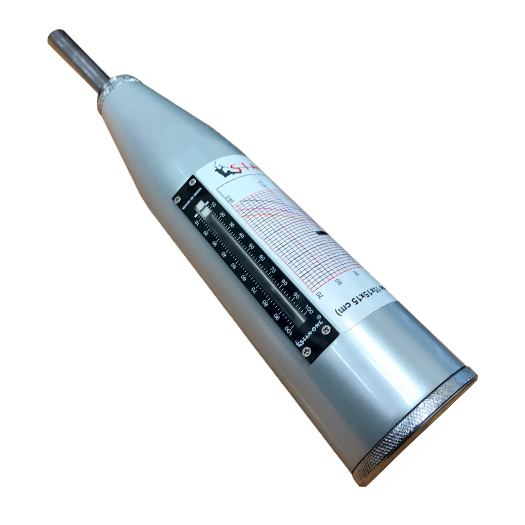
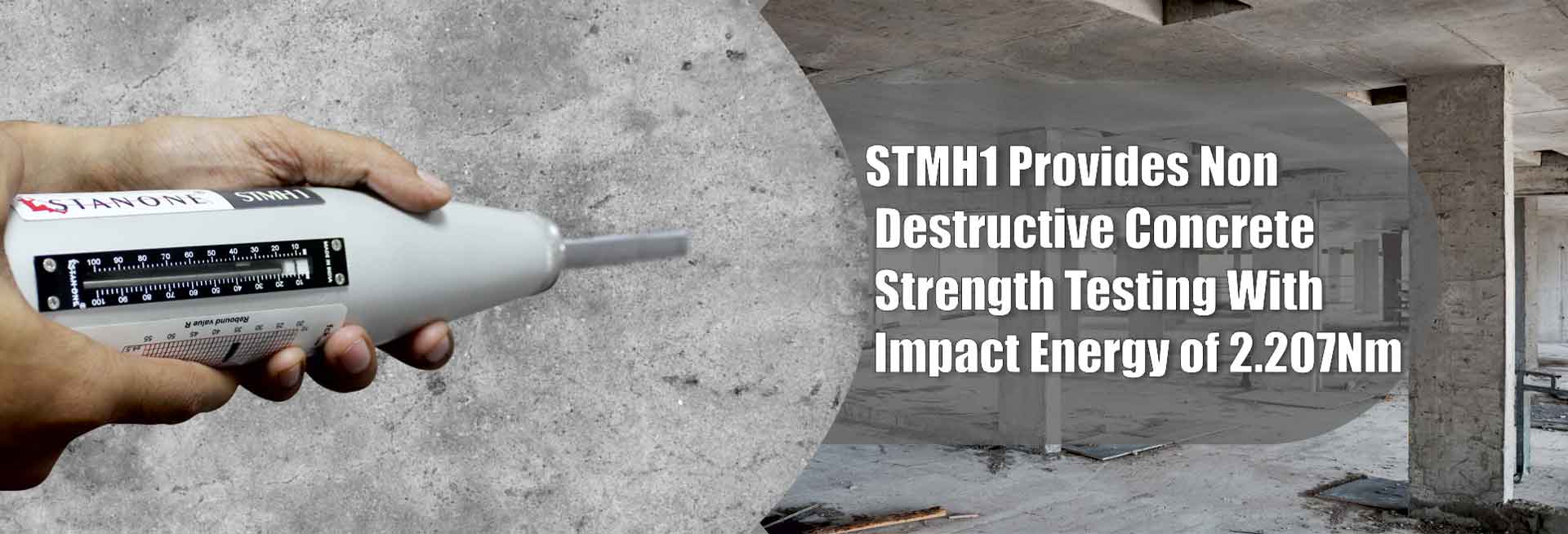
What is the STANONE STMH1 Type N Rebound Concrete Test Hammer used for?
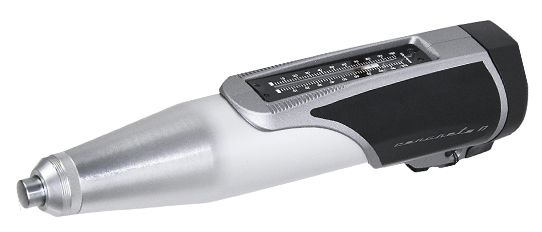
The STMH1 Type N is a non-destructive testing (NDT) instrument used to estimate the compressive strength, uniformity, and quality of hardened concrete without damaging the structure.
What is the impact energy of the STMH1 Rebound Hammer?
The STMH1 operates with 2.207 Joules (Type N impact energy), making it suitable for testing standard structural concrete in buildings, bridges, columns, beams, and slabs.
What concrete strength range can the STMH1 test?
The STMH1 is suitable for testing concrete with compressive strengths ranging approximately from 10 MPa to 70 MPa, covering most construction and infrastructure applications.
What is the rebound value measuring range of the STMH1?
The STMH1 provides rebound values on a scale of 10 to 100, which are correlated to concrete compressive strength using standard conversion charts.
What accuracy does the STMH1 offer?
The STMH1 is designed to provide consistent and repeatable rebound readings with a typical system accuracy of ±2 rebound numbers under standard testing conditions.
Does the STMH1 require batteries or external power?
No. The STMH1 is a fully mechanical rebound hammer, requiring no batteries, charging, or external power supply.
Which standards does the STMH1 comply with?
The STMH1 follows internationally accepted testing methodologies aligned with ASTM C805, EN 12504-2, IS 13311 (Part 2), and BS 1881 standards for rebound hammer testing.
Can the STMH1 be used on vertical and overhead surfaces?
Yes. The hammer can be used on walls, columns, beams, ceilings, and slabs, with appropriate angle correction factors applied as per testing standards.
Why is Type N impact energy preferred for structural concrete?
The 2.207 J impact energy provides sufficient penetration and rebound response for standard reinforced concrete structures, ensuring reliable strength estimation.
Does the STMH1 require calibration?
Yes. Periodic verification using a calibration anvil (typically 80 ± 2 rebound value) is recommended to maintain testing accuracy and standards compliance.
What are the dimensions and weight of the STMH1?
The STMH1 is designed as a lightweight handheld instrument, typically weighing around 1 kg, allowing easy field operation and portability.
Is the STMH1 suitable for site quality control during construction?
Yes. It is widely used for concrete quality checks, curing assessment, acceptance testing, and routine site inspections.
Can the STMH1 be used for bridge and infrastructure inspections?
Yes. It is suitable for evaluating concrete quality in bridges, tunnels, dams, highways, industrial plants, and commercial structures.
What are the key technical advantages of the STANONE STMH1?
Key advantages include 2.207 J Type N impact energy, mechanical operation, ASTM/EN/IS compliance, no battery requirement, lightweight design, rapid testing, low maintenance, and reliable concrete strength estimation.
What is the STANONE STMH1 Type N Rebound Concrete Test Hammer used for?
The STMH1 Type N is a non-destructive testing (NDT) instrument used to estimate the compressive strength, uniformity, and quality of hardened concrete without damaging the structure.
What is the impact energy of the STMH1 Rebound Hammer?
The STMH1 operates with 2.207 Joules (Type N impact energy), making it suitable for testing standard structural concrete in buildings, bridges, columns, beams, and slabs.
What concrete strength range can the STMH1 test?
The STMH1 is suitable for testing concrete with compressive strengths ranging approximately from 10 MPa to 70 MPa, covering most construction and infrastructure applications.
What is the rebound value measuring range of the STMH1?
The STMH1 provides rebound values on a scale of 10 to 100, which are correlated to concrete compressive strength using standard conversion charts.
What accuracy does the STMH1 offer?
The STMH1 is designed to provide consistent and repeatable rebound readings with a typical system accuracy of ±2 rebound numbers under standard testing conditions.
Does the STMH1 require batteries or external power?
No. The STMH1 is a fully mechanical rebound hammer, requiring no batteries, charging, or external power supply.
Which standards does the STMH1 comply with?
The STMH1 follows internationally accepted testing methodologies aligned with ASTM C805, EN 12504-2, IS 13311 (Part 2), and BS 1881 standards for rebound hammer testing.
Can the STMH1 be used on vertical and overhead surfaces?
Yes. The hammer can be used on walls, columns, beams, ceilings, and slabs, with appropriate angle correction factors applied as per testing standards.
Why is Type N impact energy preferred for structural concrete?
The 2.207 J impact energy provides sufficient penetration and rebound response for standard reinforced concrete structures, ensuring reliable strength estimation.
Does the STMH1 require calibration?
Yes. Periodic verification using a calibration anvil (typically 80 ± 2 rebound value) is recommended to maintain testing accuracy and standards compliance.
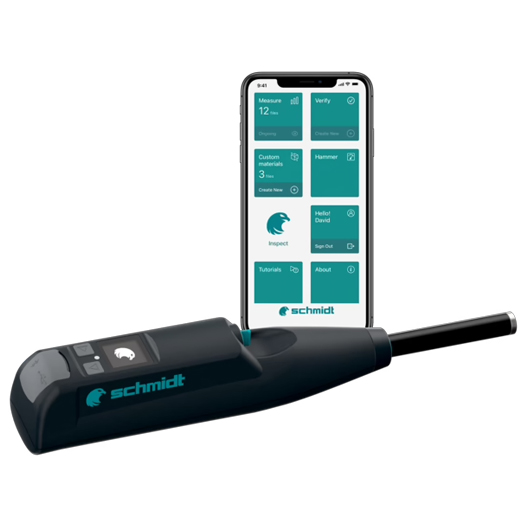
What are the dimensions and weight of the STMH1?
The STMH1 is designed as a lightweight handheld instrument, typically weighing around 1 kg, allowing easy field operation and portability.
Is the STMH1 suitable for site quality control during construction?
Yes. It is widely used for concrete quality checks, curing assessment, acceptance testing, and routine site inspections.
Can the STMH1 be used for bridge and infrastructure inspections?
Yes. It is suitable for evaluating concrete quality in bridges, tunnels, dams, highways, industrial plants, and commercial structures.
What are the key technical advantages of the STANONE STMH1?
Key advantages include 2.207 J Type N impact energy, mechanical operation, ASTM/EN/IS compliance, no battery requirement, lightweight design, rapid testing, low maintenance, and reliable concrete strength estimation.
What is the STANONE STMH1 Type N Rebound Concrete Test Hammer used for?
The STMH1 Type N is a non-destructive testing (NDT) instrument used to estimate the compressive strength, uniformity, and quality of hardened concrete without damaging the structure.
What is the impact energy of the STMH1 Rebound Hammer?
The STMH1 operates with 2.207 Joules (Type N impact energy), making it suitable for testing standard structural concrete in buildings, bridges, columns, beams, and slabs.
What concrete strength range can the STMH1 test?
The STMH1 is suitable for testing concrete with compressive strengths ranging approximately from 10 MPa to 70 MPa, covering most construction and infrastructure applications.
What is the rebound value measuring range of the STMH1?
The STMH1 provides rebound values on a scale of 10 to 100, which are correlated to concrete compressive strength using standard conversion charts.
What accuracy does the STMH1 offer?
The STMH1 is designed to provide consistent and repeatable rebound readings with a typical system accuracy of ±2 rebound numbers under standard testing conditions.
Does the STMH1 require batteries or external power?
No. The STMH1 is a fully mechanical rebound hammer, requiring no batteries, charging, or external power supply.
Which standards does the STMH1 comply with?
The STMH1 follows internationally accepted testing methodologies aligned with ASTM C805, EN 12504-2, IS 13311 (Part 2), and BS 1881 standards for rebound hammer testing.
Can the STMH1 be used on vertical and overhead surfaces?
Yes. The hammer can be used on walls, columns, beams, ceilings, and slabs, with appropriate angle correction factors applied as per testing standards.
Why is Type N impact energy preferred for structural concrete?
The 2.207 J impact energy provides sufficient penetration and rebound response for standard reinforced concrete structures, ensuring reliable strength estimation.
Does the STMH1 require calibration?
Yes. Periodic verification using a calibration anvil (typically 80 ± 2 rebound value) is recommended to maintain testing accuracy and standards compliance.
What are the dimensions and weight of the STMH1?
The STMH1 is designed as a lightweight handheld instrument, typically weighing around 1 kg, allowing easy field operation and portability.
Is the STMH1 suitable for site quality control during construction?
Yes. It is widely used for concrete quality checks, curing assessment, acceptance testing, and routine site inspections.
Can the STMH1 be used for bridge and infrastructure inspections?
Yes. It is suitable for evaluating concrete quality in bridges, tunnels, dams, highways, industrial plants, and commercial structures.
What are the key technical advantages of the STANONE STMH1?
Key advantages include 2.207 J Type N impact energy, mechanical operation, ASTM/EN/IS compliance, no battery requirement, lightweight design, rapid testing, low maintenance, and reliable concrete strength estimation.
What is the STANONE STMH1 Type N Rebound Concrete Test Hammer used for?
The STMH1 Type N is a non-destructive testing (NDT) instrument used to estimate the compressive strength, uniformity, and quality of hardened concrete without damaging the structure.
What is the impact energy of the STMH1 Rebound Hammer?
The STMH1 operates with 2.207 Joules (Type N impact energy), making it suitable for testing standard structural concrete in buildings, bridges, columns, beams, and slabs.
What concrete strength range can the STMH1 test?
The STMH1 is suitable for testing concrete with compressive strengths ranging approximately from 10 MPa to 70 MPa, covering most construction and infrastructure applications.
What is the rebound value measuring range of the STMH1?
The STMH1 provides rebound values on a scale of 10 to 100, which are correlated to concrete compressive strength using standard conversion charts.
What accuracy does the STMH1 offer?
The STMH1 is designed to provide consistent and repeatable rebound readings with a typical system accuracy of ±2 rebound numbers under standard testing conditions.
Does the STMH1 require batteries or external power?
No. The STMH1 is a fully mechanical rebound hammer, requiring no batteries, charging, or external power supply.
Which standards does the STMH1 comply with?
The STMH1 follows internationally accepted testing methodologies aligned with ASTM C805, EN 12504-2, IS 13311 (Part 2), and BS 1881 standards for rebound hammer testing.
Can the STMH1 be used on vertical and overhead surfaces?
Yes. The hammer can be used on walls, columns, beams, ceilings, and slabs, with appropriate angle correction factors applied as per testing standards.
Why is Type N impact energy preferred for structural concrete?
The 2.207 J impact energy provides sufficient penetration and rebound response for standard reinforced concrete structures, ensuring reliable strength estimation.
Does the STMH1 require calibration?
Yes. Periodic verification using a calibration anvil (typically 80 ± 2 rebound value) is recommended to maintain testing accuracy and standards compliance.
What are the dimensions and weight of the STMH1?
The STMH1 is designed as a lightweight handheld instrument, typically weighing around 1 kg, allowing easy field operation and portability.
Is the STMH1 suitable for site quality control during construction?
Yes. It is widely used for concrete quality checks, curing assessment, acceptance testing, and routine site inspections.
Can the STMH1 be used for bridge and infrastructure inspections?
Yes. It is suitable for evaluating concrete quality in bridges, tunnels, dams, highways, industrial plants, and commercial structures.
What are the key technical advantages of the STANONE STMH1?
Key advantages include 2.207 J Type N impact energy, mechanical operation, ASTM/EN/IS compliance, no battery requirement, lightweight design, rapid testing, low maintenance, and reliable concrete strength estimation.