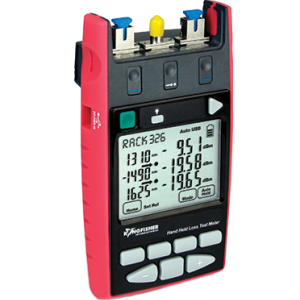
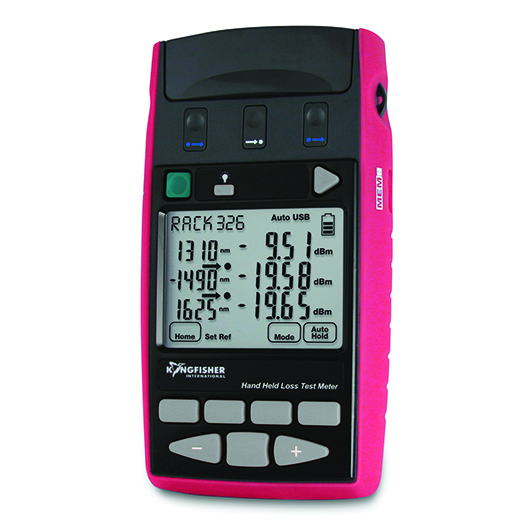
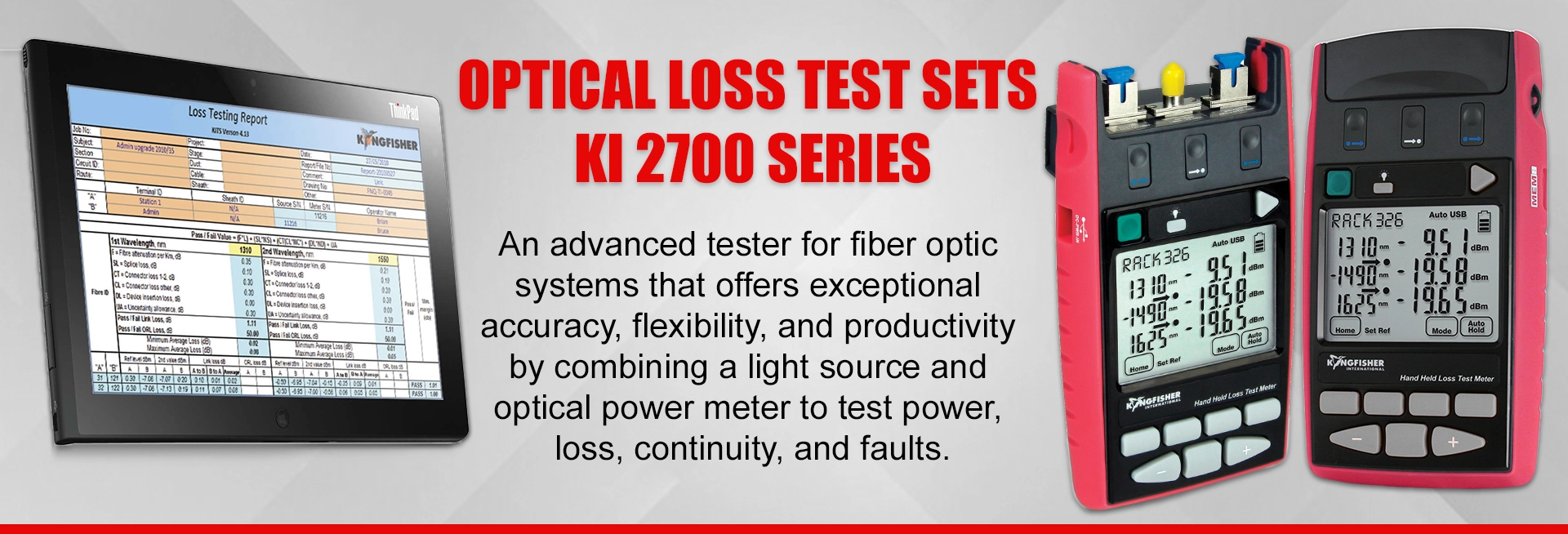
What is the KI 2300/2700 Optical Loss Test Set (OLTS) used for?
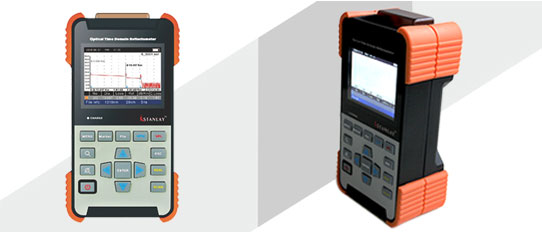
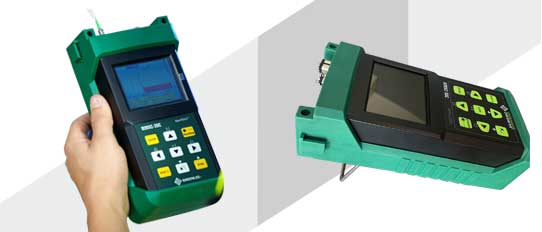
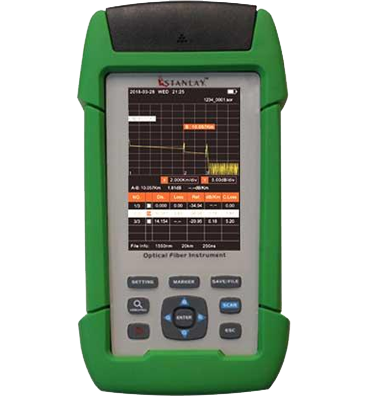
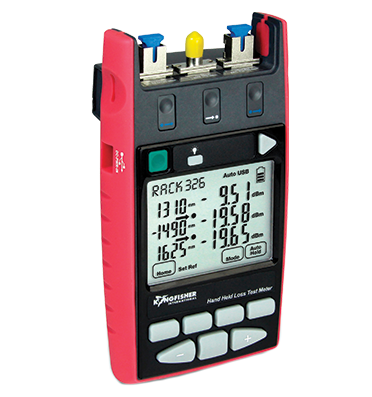
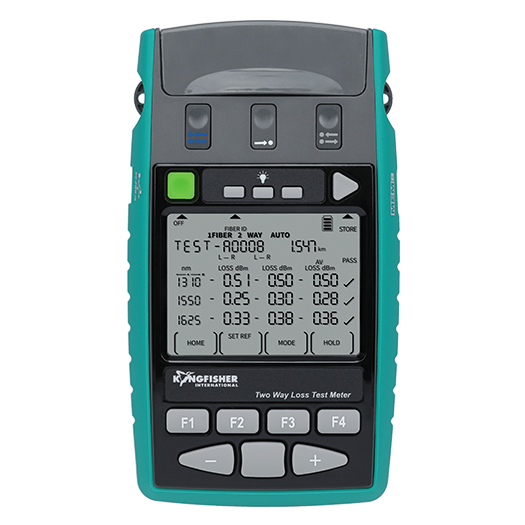
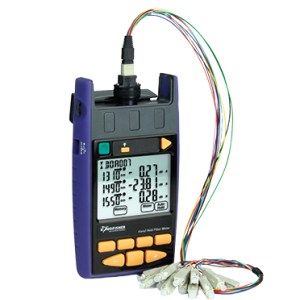
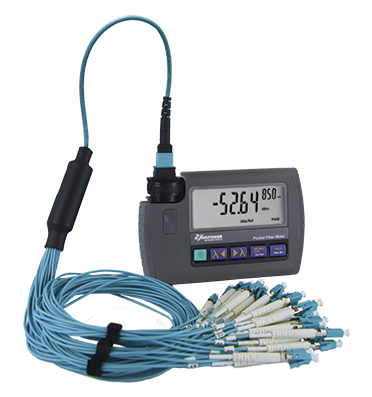
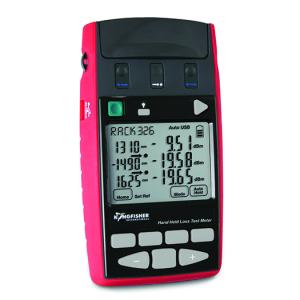
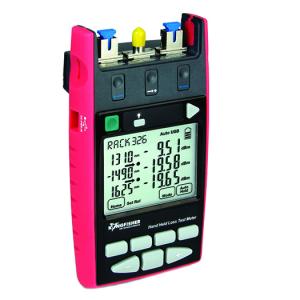
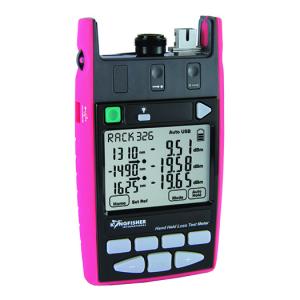
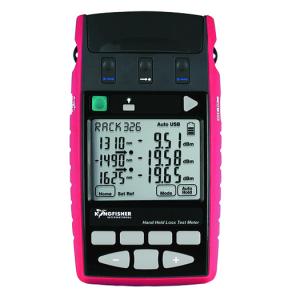
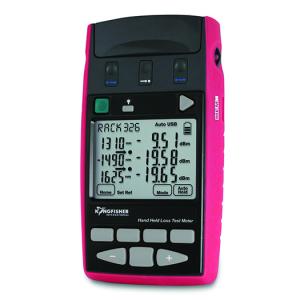
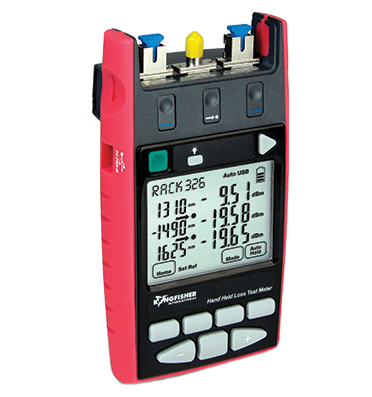
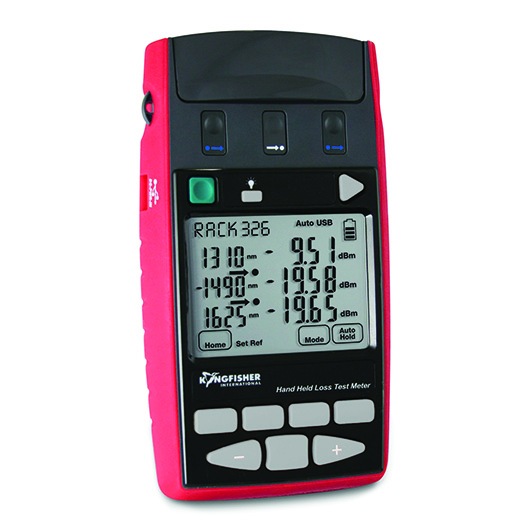
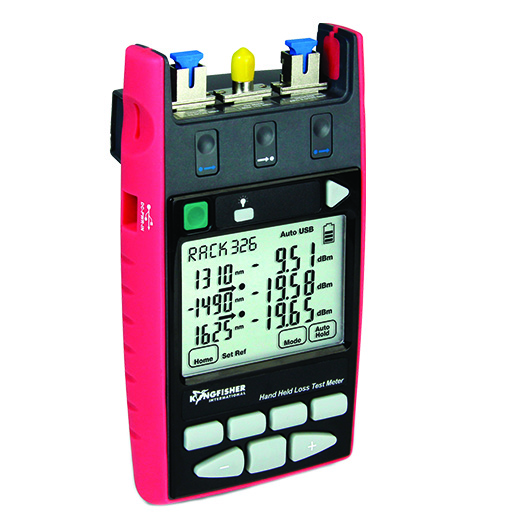
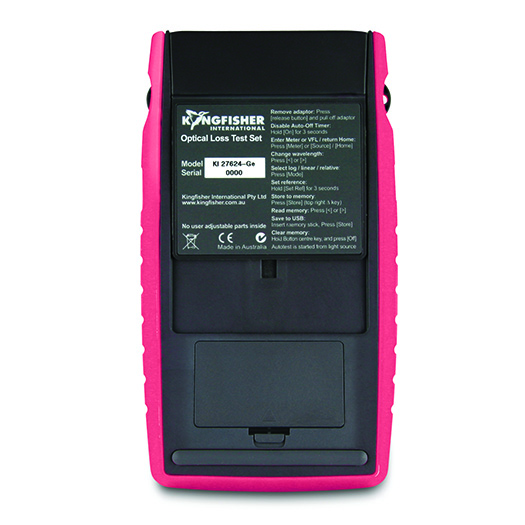
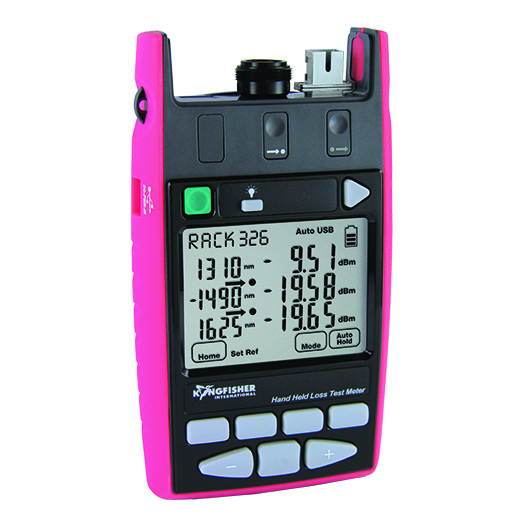
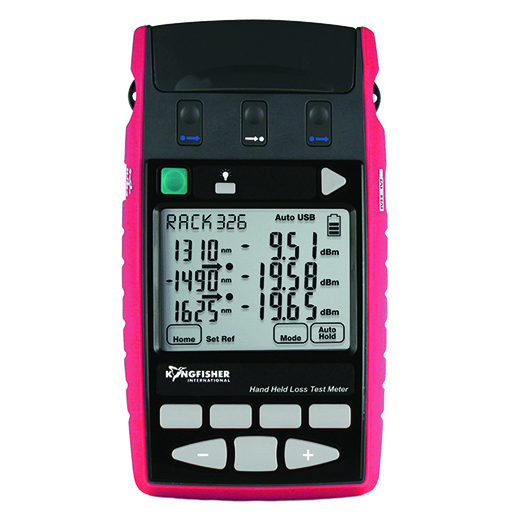
The KI 2300/2700 OLTS is designed for insertion loss and optical power measurements in fiber optic networks. It is commonly used for installation, commissioning, certification, and maintenance of FTTx, enterprise, telecom, and data center fiber links.
What wavelengths are supported by the KI 2300/2700 OLTS?
The unit supports standard telecom wavelengths including 850 nm, 1300 nm, 1310 nm, and 1550 nm, allowing testing of both multimode and single-mode fiber networks.
Can the KI 2300/2700 test both single-mode and multimode fiber?
Yes. The OLTS is available in configurations suitable for single-mode (1310/1550 nm) and multimode (850/1300 nm) fiber optic testing applications.
What optical measurements can the KI 2300/2700 perform?
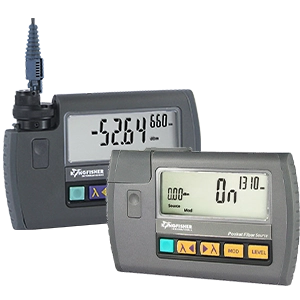
The instrument measures optical insertion loss (dB), optical power (dBm), and link attenuation, helping technicians verify fiber network performance.
Why is an Optical Loss Test Set important when installing fiber networks?
While an OTDR identifies faults and events, an OLTS provides the actual end-to-end link loss measurement required for fiber certification and standards compliance.
What is the optical power measurement range of the KI 2300/2700?
The optical power meter supports a wide measurement range suitable for testing telecom, FTTx, enterprise LAN, and data center fiber networks.
Does the KI 2300/2700 support automatic wavelength recognition?
Yes. The system supports Auto Wavelength Recognition and Auto Wavelength Switching, reducing setup time and minimizing testing errors.
Can the KI 2300/2700 store test results?
Yes. The instrument includes onboard memory for storing measurement results and project records, supporting documentation and reporting requirements.
Is the KI 2300/2700 suitable for fiber certification projects?
Yes. It is ideal for fiber acceptance testing, network certification, contractor handover documentation, and preventive maintenance programs.
What are the key technical advantages of the KI 2300/2700 Optical Loss Test Set?
Key advantages include single-mode and multimode testing capability, insertion loss measurement, optical power measurement, Auto Wavelength Recognition, Auto Wavelength Switching, onboard memory, portable handheld design, and suitability for FTTx, telecom, enterprise, and data center networks.
What is the KI 2300/2700 Optical Loss Test Set (OLTS) used for?
The KI 2300/2700 OLTS is designed for insertion loss and optical power measurements in fiber optic networks. It is commonly used for installation, commissioning, certification, and maintenance of FTTx, enterprise, telecom, and data center fiber links.
What wavelengths are supported by the KI 2300/2700 OLTS?
The unit supports standard telecom wavelengths including 850 nm, 1300 nm, 1310 nm, and 1550 nm, allowing testing of both multimode and single-mode fiber networks.
Can the KI 2300/2700 test both single-mode and multimode fiber?
Yes. The OLTS is available in configurations suitable for single-mode (1310/1550 nm) and multimode (850/1300 nm) fiber optic testing applications.

What optical measurements can the KI 2300/2700 perform?
The instrument measures optical insertion loss (dB), optical power (dBm), and link attenuation, helping technicians verify fiber network performance.
Why is an Optical Loss Test Set important when installing fiber networks?
While an OTDR identifies faults and events, an OLTS provides the actual end-to-end link loss measurement required for fiber certification and standards compliance.
What is the optical power measurement range of the KI 2300/2700?
The optical power meter supports a wide measurement range suitable for testing telecom, FTTx, enterprise LAN, and data center fiber networks.
Does the KI 2300/2700 support automatic wavelength recognition?
Yes. The system supports Auto Wavelength Recognition and Auto Wavelength Switching, reducing setup time and minimizing testing errors.
Can the KI 2300/2700 store test results?
Yes. The instrument includes onboard memory for storing measurement results and project records, supporting documentation and reporting requirements.
Is the KI 2300/2700 suitable for fiber certification projects?
Yes. It is ideal for fiber acceptance testing, network certification, contractor handover documentation, and preventive maintenance programs.
What are the key technical advantages of the KI 2300/2700 Optical Loss Test Set?
Key advantages include single-mode and multimode testing capability, insertion loss measurement, optical power measurement, Auto Wavelength Recognition, Auto Wavelength Switching, onboard memory, portable handheld design, and suitability for FTTx, telecom, enterprise, and data center networks.
What is the KI 2300/2700 Optical Loss Test Set (OLTS) used for?
The KI 2300/2700 OLTS is designed for insertion loss and optical power measurements in fiber optic networks. It is commonly used for installation, commissioning, certification, and maintenance of FTTx, enterprise, telecom, and data center fiber links.
What wavelengths are supported by the KI 2300/2700 OLTS?
The unit supports standard telecom wavelengths including 850 nm, 1300 nm, 1310 nm, and 1550 nm, allowing testing of both multimode and single-mode fiber networks.
Can the KI 2300/2700 test both single-mode and multimode fiber?
Yes. The OLTS is available in configurations suitable for single-mode (1310/1550 nm) and multimode (850/1300 nm) fiber optic testing applications.
What optical measurements can the KI 2300/2700 perform?
The instrument measures optical insertion loss (dB), optical power (dBm), and link attenuation, helping technicians verify fiber network performance.
Why is an Optical Loss Test Set important when installing fiber networks?
While an OTDR identifies faults and events, an OLTS provides the actual end-to-end link loss measurement required for fiber certification and standards compliance.
What is the optical power measurement range of the KI 2300/2700?
The optical power meter supports a wide measurement range suitable for testing telecom, FTTx, enterprise LAN, and data center fiber networks.
Does the KI 2300/2700 support automatic wavelength recognition?
Yes. The system supports Auto Wavelength Recognition and Auto Wavelength Switching, reducing setup time and minimizing testing errors.
Can the KI 2300/2700 store test results?
Yes. The instrument includes onboard memory for storing measurement results and project records, supporting documentation and reporting requirements.
Is the KI 2300/2700 suitable for fiber certification projects?
Yes. It is ideal for fiber acceptance testing, network certification, contractor handover documentation, and preventive maintenance programs.
What are the key technical advantages of the KI 2300/2700 Optical Loss Test Set?
Key advantages include single-mode and multimode testing capability, insertion loss measurement, optical power measurement, Auto Wavelength Recognition, Auto Wavelength Switching, onboard memory, portable handheld design, and suitability for FTTx, telecom, enterprise, and data center networks.
What is the KI 2300/2700 Optical Loss Test Set (OLTS) used for?
The KI 2300/2700 OLTS is designed for insertion loss and optical power measurements in fiber optic networks. It is commonly used for installation, commissioning, certification, and maintenance of FTTx, enterprise, telecom, and data center fiber links.
What wavelengths are supported by the KI 2300/2700 OLTS?
The unit supports standard telecom wavelengths including 850 nm, 1300 nm, 1310 nm, and 1550 nm, allowing testing of both multimode and single-mode fiber networks.
Can the KI 2300/2700 test both single-mode and multimode fiber?
Yes. The OLTS is available in configurations suitable for single-mode (1310/1550 nm) and multimode (850/1300 nm) fiber optic testing applications.
What optical measurements can the KI 2300/2700 perform?
The instrument measures optical insertion loss (dB), optical power (dBm), and link attenuation, helping technicians verify fiber network performance.
Why is an Optical Loss Test Set important when installing fiber networks?
While an OTDR identifies faults and events, an OLTS provides the actual end-to-end link loss measurement required for fiber certification and standards compliance.
What is the optical power measurement range of the KI 2300/2700?
The optical power meter supports a wide measurement range suitable for testing telecom, FTTx, enterprise LAN, and data center fiber networks.
Does the KI 2300/2700 support automatic wavelength recognition?
Yes. The system supports Auto Wavelength Recognition and Auto Wavelength Switching, reducing setup time and minimizing testing errors.
Can the KI 2300/2700 store test results?
Yes. The instrument includes onboard memory for storing measurement results and project records, supporting documentation and reporting requirements.
Is the KI 2300/2700 suitable for fiber certification projects?
Yes. It is ideal for fiber acceptance testing, network certification, contractor handover documentation, and preventive maintenance programs.
What are the key technical advantages of the KI 2300/2700 Optical Loss Test Set?
Key advantages include single-mode and multimode testing capability, insertion loss measurement, optical power measurement, Auto Wavelength Recognition, Auto Wavelength Switching, onboard memory, portable handheld design, and suitability for FTTx, telecom, enterprise, and data center networks.
What is the KI 2300/2700 Optical Loss Test Set (OLTS) used for?
The KI 2300/2700 OLTS is designed for insertion loss and optical power measurements in fiber optic networks. It is commonly used for installation, commissioning, certification, and maintenance of FTTx, enterprise, telecom, and data center fiber links.
What wavelengths are supported by the KI 2300/2700 OLTS?
The unit supports standard telecom wavelengths including 850 nm, 1300 nm, 1310 nm, and 1550 nm, allowing testing of both multimode and single-mode fiber networks.
Can the KI 2300/2700 test both single-mode and multimode fiber?
Yes. The OLTS is available in configurations suitable for single-mode (1310/1550 nm) and multimode (850/1300 nm) fiber optic testing applications.
What optical measurements can the KI 2300/2700 perform?
The instrument measures optical insertion loss (dB), optical power (dBm), and link attenuation, helping technicians verify fiber network performance.
Why is an Optical Loss Test Set important when installing fiber networks?
While an OTDR identifies faults and events, an OLTS provides the actual end-to-end link loss measurement required for fiber certification and standards compliance.
What is the optical power measurement range of the KI 2300/2700?
The optical power meter supports a wide measurement range suitable for testing telecom, FTTx, enterprise LAN, and data center fiber networks.
Does the KI 2300/2700 support automatic wavelength recognition?
Yes. The system supports Auto Wavelength Recognition and Auto Wavelength Switching, reducing setup time and minimizing testing errors.
Can the KI 2300/2700 store test results?
Yes. The instrument includes onboard memory for storing measurement results and project records, supporting documentation and reporting requirements.
Is the KI 2300/2700 suitable for fiber certification projects?
Yes. It is ideal for fiber acceptance testing, network certification, contractor handover documentation, and preventive maintenance programs.
What are the key technical advantages of the KI 2300/2700 Optical Loss Test Set?
Key advantages include single-mode and multimode testing capability, insertion loss measurement, optical power measurement, Auto Wavelength Recognition, Auto Wavelength Switching, onboard memory, portable handheld design, and suitability for FTTx, telecom, enterprise, and data center networks.
What is the KI 2300/2700 Optical Loss Test Set (OLTS) used for?
The KI 2300/2700 OLTS is designed for insertion loss and optical power measurements in fiber optic networks. It is commonly used for installation, commissioning, certification, and maintenance of FTTx, enterprise, telecom, and data center fiber links.
What wavelengths are supported by the KI 2300/2700 OLTS?
The unit supports standard telecom wavelengths including 850 nm, 1300 nm, 1310 nm, and 1550 nm, allowing testing of both multimode and single-mode fiber networks.
Can the KI 2300/2700 test both single-mode and multimode fiber?
Yes. The OLTS is available in configurations suitable for single-mode (1310/1550 nm) and multimode (850/1300 nm) fiber optic testing applications.
What optical measurements can the KI 2300/2700 perform?
The instrument measures optical insertion loss (dB), optical power (dBm), and link attenuation, helping technicians verify fiber network performance.
Why is an Optical Loss Test Set important when installing fiber networks?
While an OTDR identifies faults and events, an OLTS provides the actual end-to-end link loss measurement required for fiber certification and standards compliance.
What is the optical power measurement range of the KI 2300/2700?
The optical power meter supports a wide measurement range suitable for testing telecom, FTTx, enterprise LAN, and data center fiber networks.
Does the KI 2300/2700 support automatic wavelength recognition?
Yes. The system supports Auto Wavelength Recognition and Auto Wavelength Switching, reducing setup time and minimizing testing errors.
Can the KI 2300/2700 store test results?
Yes. The instrument includes onboard memory for storing measurement results and project records, supporting documentation and reporting requirements.
Is the KI 2300/2700 suitable for fiber certification projects?
Yes. It is ideal for fiber acceptance testing, network certification, contractor handover documentation, and preventive maintenance programs.
What are the key technical advantages of the KI 2300/2700 Optical Loss Test Set?
Key advantages include single-mode and multimode testing capability, insertion loss measurement, optical power measurement, Auto Wavelength Recognition, Auto Wavelength Switching, onboard memory, portable handheld design, and suitability for FTTx, telecom, enterprise, and data center networks.
What is the KI 2300/2700 Optical Loss Test Set (OLTS) used for?
The KI 2300/2700 OLTS is designed for insertion loss and optical power measurements in fiber optic networks. It is commonly used for installation, commissioning, certification, and maintenance of FTTx, enterprise, telecom, and data center fiber links.
What wavelengths are supported by the KI 2300/2700 OLTS?
The unit supports standard telecom wavelengths including 850 nm, 1300 nm, 1310 nm, and 1550 nm, allowing testing of both multimode and single-mode fiber networks.
Can the KI 2300/2700 test both single-mode and multimode fiber?
Yes. The OLTS is available in configurations suitable for single-mode (1310/1550 nm) and multimode (850/1300 nm) fiber optic testing applications.
What optical measurements can the KI 2300/2700 perform?
The instrument measures optical insertion loss (dB), optical power (dBm), and link attenuation, helping technicians verify fiber network performance.
Why is an Optical Loss Test Set important when installing fiber networks?
While an OTDR identifies faults and events, an OLTS provides the actual end-to-end link loss measurement required for fiber certification and standards compliance.
What is the optical power measurement range of the KI 2300/2700?
The optical power meter supports a wide measurement range suitable for testing telecom, FTTx, enterprise LAN, and data center fiber networks.
Does the KI 2300/2700 support automatic wavelength recognition?
Yes. The system supports Auto Wavelength Recognition and Auto Wavelength Switching, reducing setup time and minimizing testing errors.
Can the KI 2300/2700 store test results?
Yes. The instrument includes onboard memory for storing measurement results and project records, supporting documentation and reporting requirements.
Is the KI 2300/2700 suitable for fiber certification projects?
Yes. It is ideal for fiber acceptance testing, network certification, contractor handover documentation, and preventive maintenance programs.
What are the key technical advantages of the KI 2300/2700 Optical Loss Test Set?
Key advantages include single-mode and multimode testing capability, insertion loss measurement, optical power measurement, Auto Wavelength Recognition, Auto Wavelength Switching, onboard memory, portable handheld design, and suitability for FTTx, telecom, enterprise, and data center networks.