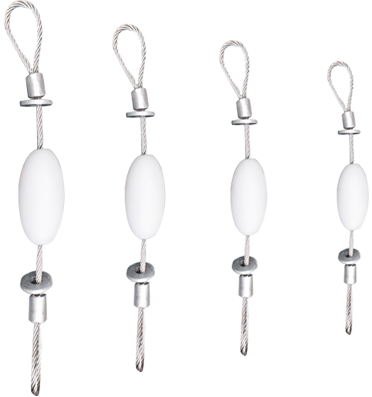
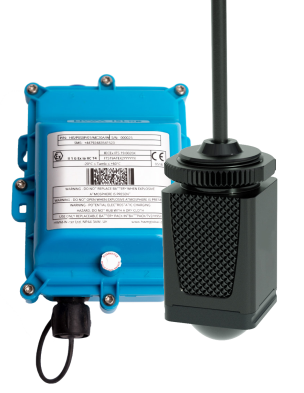
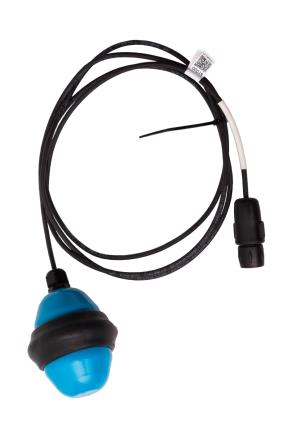
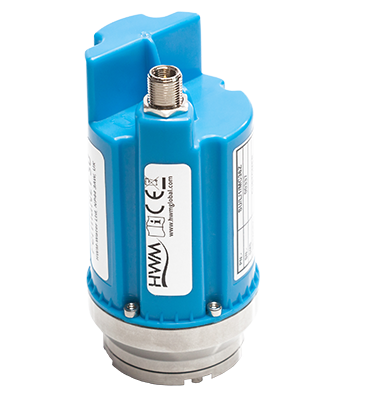
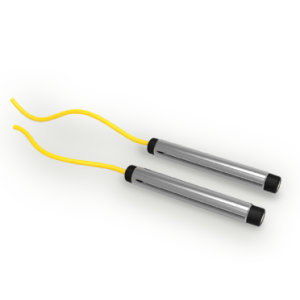
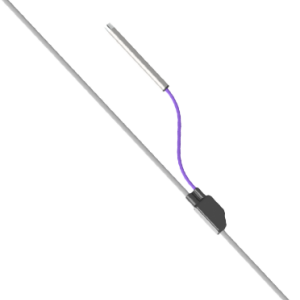
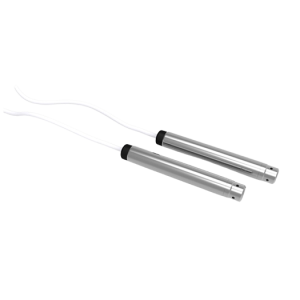
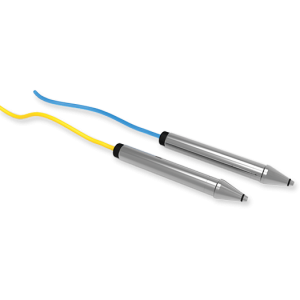
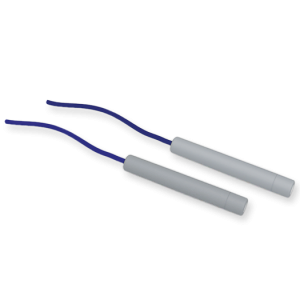
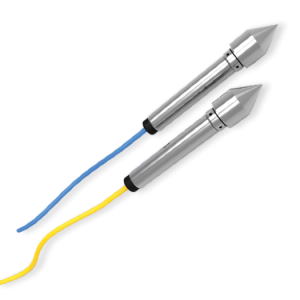
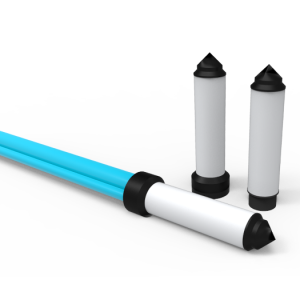
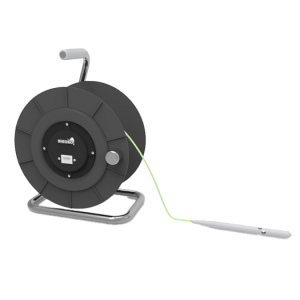
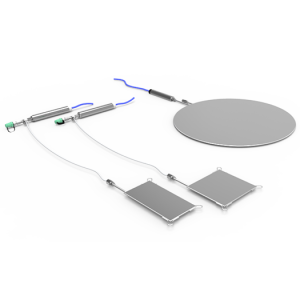
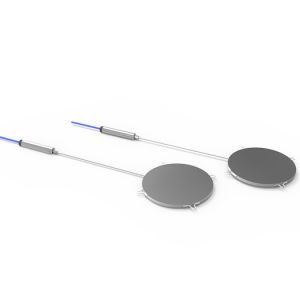
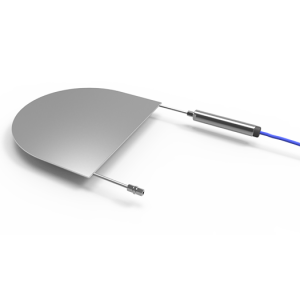
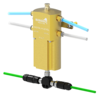
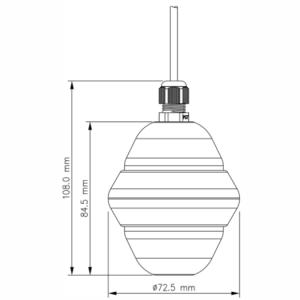
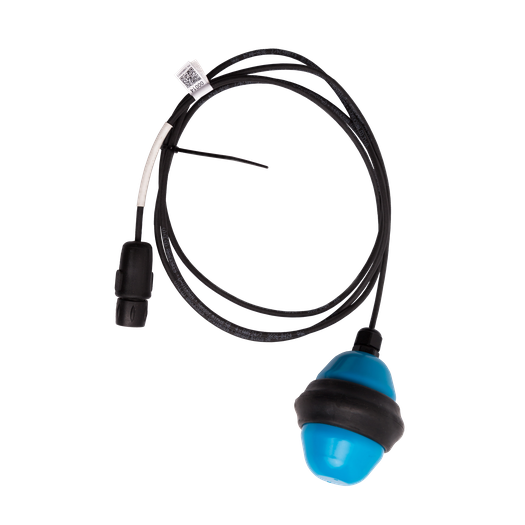
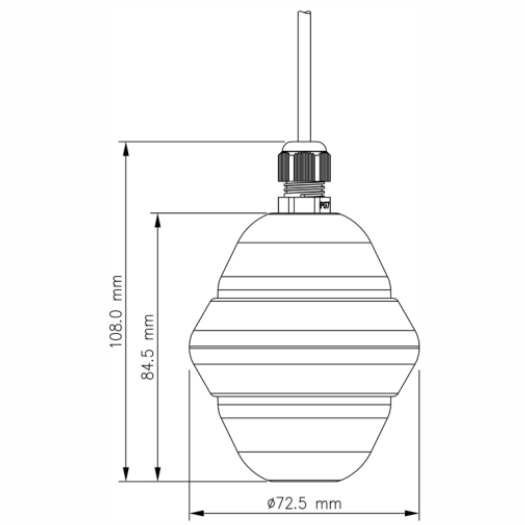
What sensing technology is used in the SpillSens float sensor?
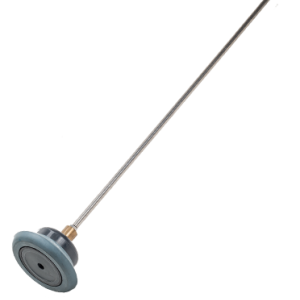
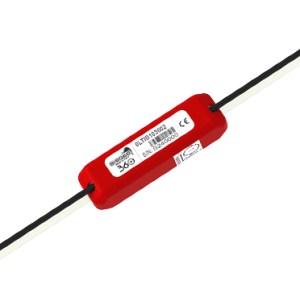
SpillSens uses a solid-state digital tilt sensing mechanism instead of traditional mechanical floats.
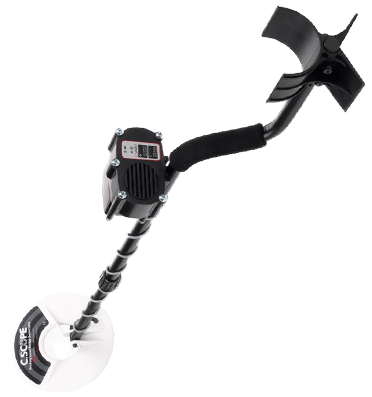
Key features:
• No moving mechanical parts
• High reliability
• Digital signal output
Does SpillSens use mechanical float switches?
No, it uses non-mechanical digital tilt sensing, which eliminates:
• Mechanical wear
• Contact failure
• Float sticking issues
What type of output signal does SpillSens provide?
It provides digital alarm outputs, typically:
• Binary/relay-type signals
• Multi-state outputs (Normal / Warning / Alarm)
Can it be integrated with data loggers like Intelligens WW?
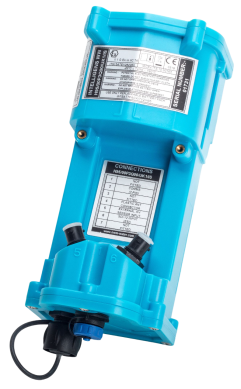
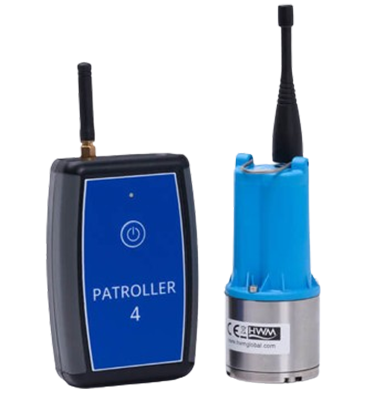
Yes, it is designed to integrate directly with:
• Intelligens WW data logger
• Remote telemetry systems
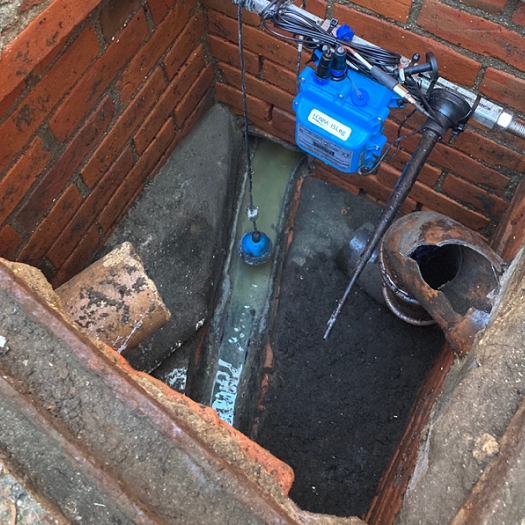
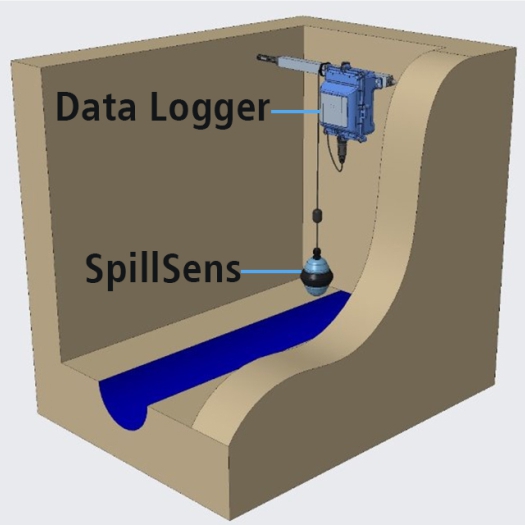
What is the installation method of SpillSens?
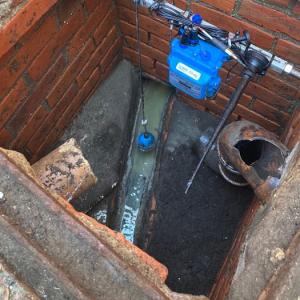
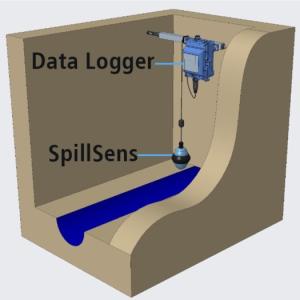
• Suspended vertically inside manhole/chamber
• Mounted at a defined trigger height
Is the sensor position adjustable?
Yes, installation height can be adjusted based on:
• Desired overflow level
• Chamber depth
What environmental conditions can SpillSens operate in?
Designed for:
• Wastewater environments
• High humidity
• Corrosive sewer conditions
Is the sensor certified for hazardous environments?
Yes, it is typically: ATEX Zone 0 certified
What is the ingress protection (IP rating)?
It is designed with high ingress protection (IP68 equivalent in most cases) for:
Water immersion and Dust protection
Is the sensor affected by foam or turbulence?
No, since it relies on physical tilt position, not surface reflection:
Can SpillSens be used in large-scale deployments?
Yes, it supports network-wide deployment across multiple sites.
Ideal for:
Municipal sewer networks and Smart city infrastructure
Can it be combined with other sensors?
Yes, commonly paired with:
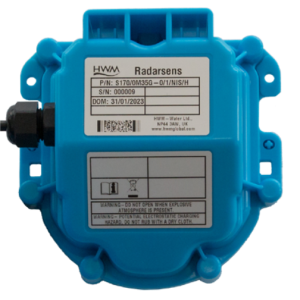
• RadarSens (continuous level monitoring)
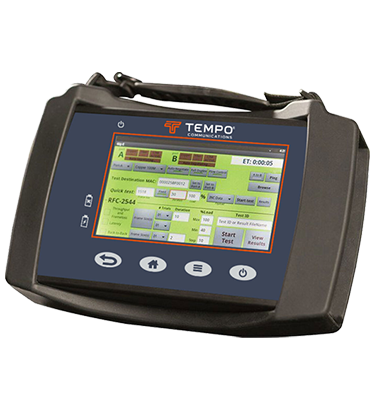
• Intelligens WW (data logging & telemetry)
What alert states does SpillSens provide?
It supports multi-level alarms:
• Normal
• Warning (rising level)
• Critical (overflow risk)
Can I monitor sewer systems remotely using SpillSens?
Yes, when connected to a data logger, it transmits alerts to cloud platforms like SpillGuard, enabling remote monitoring via dashboard, SMS, or email alerts.
Does it require continuous calibration or complex setup?
No, it is simple to install and low maintenance, making it ideal for widespread deployment in sewer networks.
Where is SpillSens typically used?
It is widely used in:
• Sewer manholes
• Stormwater systems
• Municipal wastewater networks
• Industrial drainage systems
How does this system reduce operational costs?
It helps by:
• Preventing overflow incidents
• Reducing emergency maintenance
• Minimizing field inspections
• Avoiding environmental penalties
Can this system help in regulatory compliance?
Yes, it provides real-time alerts and data logging, helping utilities meet environmental and wastewater management regulations.
What sensing technology is used in the SpillSens float sensor?
SpillSens uses a solid-state digital tilt sensing mechanism instead of traditional mechanical floats.
Key features:
• No moving mechanical parts
• High reliability
• Digital signal output
Does SpillSens use mechanical float switches?
No, it uses non-mechanical digital tilt sensing, which eliminates:
• Mechanical wear
• Contact failure
• Float sticking issues
What type of output signal does SpillSens provide?
It provides digital alarm outputs, typically:
• Binary/relay-type signals
• Multi-state outputs (Normal / Warning / Alarm)
Can it be integrated with data loggers like Intelligens WW?
Yes, it is designed to integrate directly with:
• Intelligens WW data logger
• Remote telemetry systems
What is the installation method of SpillSens?
• Suspended vertically inside manhole/chamber
• Mounted at a defined trigger height
Is the sensor position adjustable?
Yes, installation height can be adjusted based on:
• Desired overflow level
• Chamber depth
What environmental conditions can SpillSens operate in?
Designed for:
• Wastewater environments
• High humidity
• Corrosive sewer conditions
Is the sensor certified for hazardous environments?
Yes, it is typically: ATEX Zone 0 certified
What is the ingress protection (IP rating)?
It is designed with high ingress protection (IP68 equivalent in most cases) for:
Water immersion and Dust protection
Is the sensor affected by foam or turbulence?
No, since it relies on physical tilt position, not surface reflection:
Can SpillSens be used in large-scale deployments?
Yes, it supports network-wide deployment across multiple sites.
Ideal for:
Municipal sewer networks and Smart city infrastructure
Can it be combined with other sensors?
Yes, commonly paired with:
• RadarSens (continuous level monitoring)
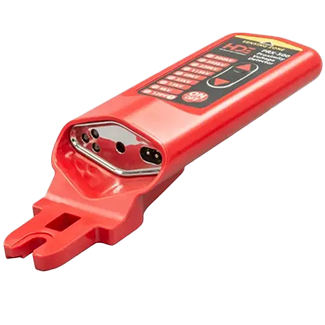
• Intelligens WW (data logging & telemetry)
What alert states does SpillSens provide?
It supports multi-level alarms:
• Normal
• Warning (rising level)
• Critical (overflow risk)
Can I monitor sewer systems remotely using SpillSens?
Yes, when connected to a data logger, it transmits alerts to cloud platforms like SpillGuard, enabling remote monitoring via dashboard, SMS, or email alerts.
Does it require continuous calibration or complex setup?
No, it is simple to install and low maintenance, making it ideal for widespread deployment in sewer networks.
Where is SpillSens typically used?
It is widely used in:
• Sewer manholes
• Stormwater systems
• Municipal wastewater networks
• Industrial drainage systems
How does this system reduce operational costs?
It helps by:
• Preventing overflow incidents
• Reducing emergency maintenance
• Minimizing field inspections
• Avoiding environmental penalties
Can this system help in regulatory compliance?
Yes, it provides real-time alerts and data logging, helping utilities meet environmental and wastewater management regulations.
What sensing technology is used in the SpillSens float sensor?
SpillSens uses a solid-state digital tilt sensing mechanism instead of traditional mechanical floats.
Key features:
• No moving mechanical parts
• High reliability
• Digital signal output
Does SpillSens use mechanical float switches?
No, it uses non-mechanical digital tilt sensing, which eliminates:
• Mechanical wear
• Contact failure
• Float sticking issues
What type of output signal does SpillSens provide?
It provides digital alarm outputs, typically:
• Binary/relay-type signals
• Multi-state outputs (Normal / Warning / Alarm)
Can it be integrated with data loggers like Intelligens WW?
Yes, it is designed to integrate directly with:
• Intelligens WW data logger
• Remote telemetry systems
What is the installation method of SpillSens?
• Suspended vertically inside manhole/chamber
• Mounted at a defined trigger height
Is the sensor position adjustable?
Yes, installation height can be adjusted based on:
• Desired overflow level
• Chamber depth
What environmental conditions can SpillSens operate in?
Designed for:
• Wastewater environments
• High humidity
• Corrosive sewer conditions
Is the sensor certified for hazardous environments?
Yes, it is typically: ATEX Zone 0 certified
What is the ingress protection (IP rating)?
It is designed with high ingress protection (IP68 equivalent in most cases) for:
Water immersion and Dust protection
Is the sensor affected by foam or turbulence?
No, since it relies on physical tilt position, not surface reflection:
Can SpillSens be used in large-scale deployments?
Yes, it supports network-wide deployment across multiple sites.
Ideal for:
Municipal sewer networks and Smart city infrastructure
Can it be combined with other sensors?
Yes, commonly paired with:
• RadarSens (continuous level monitoring)
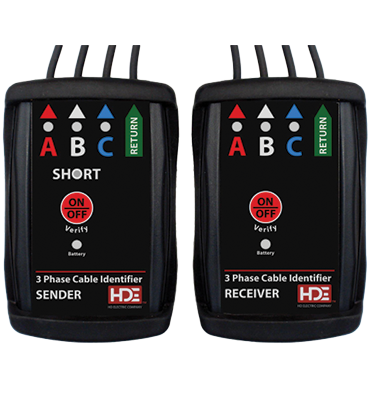
• Intelligens WW (data logging & telemetry)
What alert states does SpillSens provide?
It supports multi-level alarms:
• Normal
• Warning (rising level)
• Critical (overflow risk)
Can I monitor sewer systems remotely using SpillSens?
Yes, when connected to a data logger, it transmits alerts to cloud platforms like SpillGuard, enabling remote monitoring via dashboard, SMS, or email alerts.
Does it require continuous calibration or complex setup?
No, it is simple to install and low maintenance, making it ideal for widespread deployment in sewer networks.
Where is SpillSens typically used?
It is widely used in:
• Sewer manholes
• Stormwater systems
• Municipal wastewater networks
• Industrial drainage systems
How does this system reduce operational costs?
It helps by:
• Preventing overflow incidents
• Reducing emergency maintenance
• Minimizing field inspections
• Avoiding environmental penalties
Can this system help in regulatory compliance?
Yes, it provides real-time alerts and data logging, helping utilities meet environmental and wastewater management regulations.
What sensing technology is used in the SpillSens float sensor?
SpillSens uses a solid-state digital tilt sensing mechanism instead of traditional mechanical floats.
Key features:
• No moving mechanical parts
• High reliability
• Digital signal output
Does SpillSens use mechanical float switches?
No, it uses non-mechanical digital tilt sensing, which eliminates:
• Mechanical wear
• Contact failure
• Float sticking issues
What type of output signal does SpillSens provide?
It provides digital alarm outputs, typically:
• Binary/relay-type signals
• Multi-state outputs (Normal / Warning / Alarm)
Can it be integrated with data loggers like Intelligens WW?
Yes, it is designed to integrate directly with:
• Intelligens WW data logger
• Remote telemetry systems
What is the installation method of SpillSens?
• Suspended vertically inside manhole/chamber
• Mounted at a defined trigger height
Is the sensor position adjustable?
Yes, installation height can be adjusted based on:
• Desired overflow level
• Chamber depth
What environmental conditions can SpillSens operate in?
Designed for:
• Wastewater environments
• High humidity
• Corrosive sewer conditions
Is the sensor certified for hazardous environments?
Yes, it is typically: ATEX Zone 0 certified
What is the ingress protection (IP rating)?
It is designed with high ingress protection (IP68 equivalent in most cases) for:
Water immersion and Dust protection
Is the sensor affected by foam or turbulence?
No, since it relies on physical tilt position, not surface reflection:
Can SpillSens be used in large-scale deployments?
Yes, it supports network-wide deployment across multiple sites.
Ideal for:
Municipal sewer networks and Smart city infrastructure
Can it be combined with other sensors?
Yes, commonly paired with:
• RadarSens (continuous level monitoring)
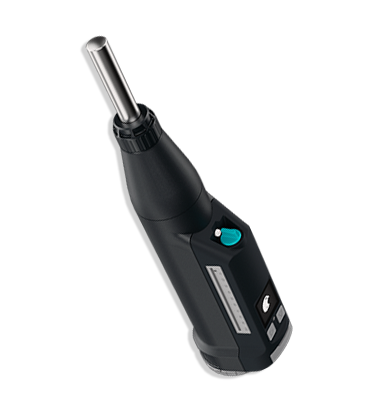
• Intelligens WW (data logging & telemetry)
What alert states does SpillSens provide?
It supports multi-level alarms:
• Normal
• Warning (rising level)
• Critical (overflow risk)
Can I monitor sewer systems remotely using SpillSens?
Yes, when connected to a data logger, it transmits alerts to cloud platforms like SpillGuard, enabling remote monitoring via dashboard, SMS, or email alerts.
Does it require continuous calibration or complex setup?
No, it is simple to install and low maintenance, making it ideal for widespread deployment in sewer networks.
Where is SpillSens typically used?
It is widely used in:
• Sewer manholes
• Stormwater systems
• Municipal wastewater networks
• Industrial drainage systems
How does this system reduce operational costs?
It helps by:
• Preventing overflow incidents
• Reducing emergency maintenance
• Minimizing field inspections
• Avoiding environmental penalties
Can this system help in regulatory compliance?
Yes, it provides real-time alerts and data logging, helping utilities meet environmental and wastewater management regulations.
What sensing technology is used in the SpillSens float sensor?
SpillSens uses a solid-state digital tilt sensing mechanism instead of traditional mechanical floats.
Key features:
• No moving mechanical parts
• High reliability
• Digital signal output
Does SpillSens use mechanical float switches?
No, it uses non-mechanical digital tilt sensing, which eliminates:
• Mechanical wear
• Contact failure
• Float sticking issues
What type of output signal does SpillSens provide?
It provides digital alarm outputs, typically:
• Binary/relay-type signals
• Multi-state outputs (Normal / Warning / Alarm)
Can it be integrated with data loggers like Intelligens WW?
Yes, it is designed to integrate directly with:
• Intelligens WW data logger
• Remote telemetry systems
What is the installation method of SpillSens?
• Suspended vertically inside manhole/chamber
• Mounted at a defined trigger height
Is the sensor position adjustable?
Yes, installation height can be adjusted based on:
• Desired overflow level
• Chamber depth
What environmental conditions can SpillSens operate in?
Designed for:
• Wastewater environments
• High humidity
• Corrosive sewer conditions
Is the sensor certified for hazardous environments?
Yes, it is typically: ATEX Zone 0 certified
What is the ingress protection (IP rating)?
It is designed with high ingress protection (IP68 equivalent in most cases) for:
Water immersion and Dust protection
Is the sensor affected by foam or turbulence?
No, since it relies on physical tilt position, not surface reflection:
Can SpillSens be used in large-scale deployments?
Yes, it supports network-wide deployment across multiple sites.
Ideal for:
Municipal sewer networks and Smart city infrastructure
Can it be combined with other sensors?
Yes, commonly paired with:
• RadarSens (continuous level monitoring)
• Intelligens WW (data logging & telemetry)
What alert states does SpillSens provide?
It supports multi-level alarms:
• Normal
• Warning (rising level)
• Critical (overflow risk)
Can I monitor sewer systems remotely using SpillSens?
Yes, when connected to a data logger, it transmits alerts to cloud platforms like SpillGuard, enabling remote monitoring via dashboard, SMS, or email alerts.
Does it require continuous calibration or complex setup?
No, it is simple to install and low maintenance, making it ideal for widespread deployment in sewer networks.
Where is SpillSens typically used?
It is widely used in:
• Sewer manholes
• Stormwater systems
• Municipal wastewater networks
• Industrial drainage systems
How does this system reduce operational costs?
It helps by:
• Preventing overflow incidents
• Reducing emergency maintenance
• Minimizing field inspections
• Avoiding environmental penalties
Can this system help in regulatory compliance?
Yes, it provides real-time alerts and data logging, helping utilities meet environmental and wastewater management regulations.
What sensing technology is used in the SpillSens float sensor?
SpillSens uses a solid-state digital tilt sensing mechanism instead of traditional mechanical floats.
Key features:
• No moving mechanical parts
• High reliability
• Digital signal output
Does SpillSens use mechanical float switches?
No, it uses non-mechanical digital tilt sensing, which eliminates:
• Mechanical wear
• Contact failure
• Float sticking issues
What type of output signal does SpillSens provide?
It provides digital alarm outputs, typically:
• Binary/relay-type signals
• Multi-state outputs (Normal / Warning / Alarm)
Can it be integrated with data loggers like Intelligens WW?
Yes, it is designed to integrate directly with:
• Intelligens WW data logger
• Remote telemetry systems
What is the installation method of SpillSens?
• Suspended vertically inside manhole/chamber
• Mounted at a defined trigger height
Is the sensor position adjustable?
Yes, installation height can be adjusted based on:
• Desired overflow level
• Chamber depth
What environmental conditions can SpillSens operate in?
Designed for:
• Wastewater environments
• High humidity
• Corrosive sewer conditions
Is the sensor certified for hazardous environments?
Yes, it is typically: ATEX Zone 0 certified
What is the ingress protection (IP rating)?
It is designed with high ingress protection (IP68 equivalent in most cases) for:
Water immersion and Dust protection
Is the sensor affected by foam or turbulence?
No, since it relies on physical tilt position, not surface reflection:
Can SpillSens be used in large-scale deployments?
Yes, it supports network-wide deployment across multiple sites.
Ideal for:
Municipal sewer networks and Smart city infrastructure
Can it be combined with other sensors?
Yes, commonly paired with:
• RadarSens (continuous level monitoring)
• Intelligens WW (data logging & telemetry)
What alert states does SpillSens provide?
It supports multi-level alarms:
• Normal
• Warning (rising level)
• Critical (overflow risk)
Can I monitor sewer systems remotely using SpillSens?
Yes, when connected to a data logger, it transmits alerts to cloud platforms like SpillGuard, enabling remote monitoring via dashboard, SMS, or email alerts.
Does it require continuous calibration or complex setup?
No, it is simple to install and low maintenance, making it ideal for widespread deployment in sewer networks.
Where is SpillSens typically used?
It is widely used in:
• Sewer manholes
• Stormwater systems
• Municipal wastewater networks
• Industrial drainage systems
How does this system reduce operational costs?
It helps by:
• Preventing overflow incidents
• Reducing emergency maintenance
• Minimizing field inspections
• Avoiding environmental penalties
Can this system help in regulatory compliance?
Yes, it provides real-time alerts and data logging, helping utilities meet environmental and wastewater management regulations.
What sensing technology is used in the SpillSens float sensor?
SpillSens uses a solid-state digital tilt sensing mechanism instead of traditional mechanical floats.
Key features:
• No moving mechanical parts
• High reliability
• Digital signal output
Does SpillSens use mechanical float switches?
No, it uses non-mechanical digital tilt sensing, which eliminates:
• Mechanical wear
• Contact failure
• Float sticking issues
What type of output signal does SpillSens provide?
It provides digital alarm outputs, typically:
• Binary/relay-type signals
• Multi-state outputs (Normal / Warning / Alarm)
Can it be integrated with data loggers like Intelligens WW?
Yes, it is designed to integrate directly with:
• Intelligens WW data logger
• Remote telemetry systems
What is the installation method of SpillSens?
• Suspended vertically inside manhole/chamber
• Mounted at a defined trigger height
Is the sensor position adjustable?
Yes, installation height can be adjusted based on:
• Desired overflow level
• Chamber depth
What environmental conditions can SpillSens operate in?
Designed for:
• Wastewater environments
• High humidity
• Corrosive sewer conditions
Is the sensor certified for hazardous environments?
Yes, it is typically: ATEX Zone 0 certified
What is the ingress protection (IP rating)?
It is designed with high ingress protection (IP68 equivalent in most cases) for:
Water immersion and Dust protection
Is the sensor affected by foam or turbulence?
No, since it relies on physical tilt position, not surface reflection:
Can SpillSens be used in large-scale deployments?
Yes, it supports network-wide deployment across multiple sites.
Ideal for:
Municipal sewer networks and Smart city infrastructure
Can it be combined with other sensors?
Yes, commonly paired with:
• RadarSens (continuous level monitoring)
• Intelligens WW (data logging & telemetry)
What alert states does SpillSens provide?
It supports multi-level alarms:
• Normal
• Warning (rising level)
• Critical (overflow risk)
Can I monitor sewer systems remotely using SpillSens?
Yes, when connected to a data logger, it transmits alerts to cloud platforms like SpillGuard, enabling remote monitoring via dashboard, SMS, or email alerts.
Does it require continuous calibration or complex setup?
No, it is simple to install and low maintenance, making it ideal for widespread deployment in sewer networks.
Where is SpillSens typically used?
It is widely used in:
• Sewer manholes
• Stormwater systems
• Municipal wastewater networks
• Industrial drainage systems
How does this system reduce operational costs?
It helps by:
• Preventing overflow incidents
• Reducing emergency maintenance
• Minimizing field inspections
• Avoiding environmental penalties
Can this system help in regulatory compliance?
Yes, it provides real-time alerts and data logging, helping utilities meet environmental and wastewater management regulations.