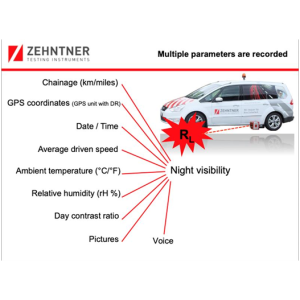
What data is recorded with ZDR 6020?
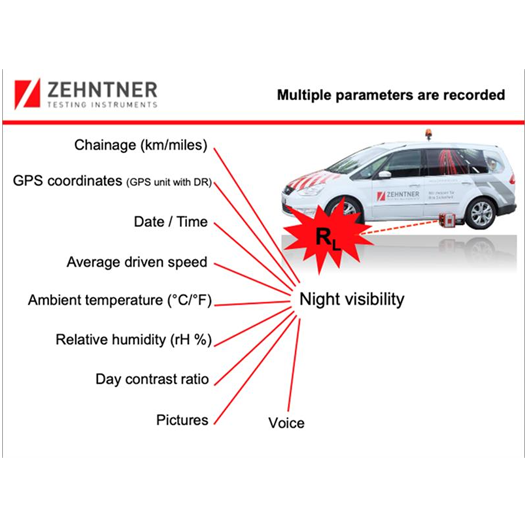
RL average values, day contrast ratio, GPS coordinates, chainage (position in km/miles), ambient temperature (°C/°F), relative humidity (rH%), driven average speed, picture, voice recording as well as date and time.
How many measurements can be taken with the system at a certain distance?
The number depends on the driven speed and the chosen average interval. The system has a measuring frequency of 300 Hz. Usually, 680 measurements are used for calculating the average value if the driving speed is 90 km/h and the average interval is 100 m.
Number of taken at 90km/h = 12 measurements per meter
How do I know to which place the RL values belong?
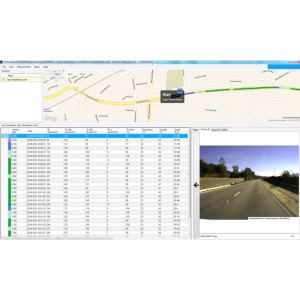
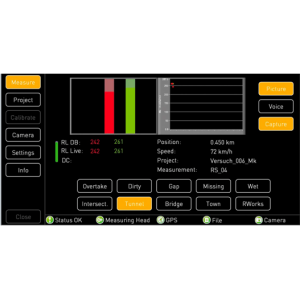
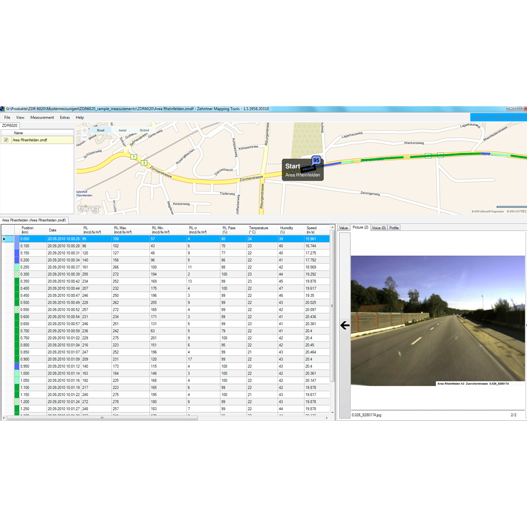
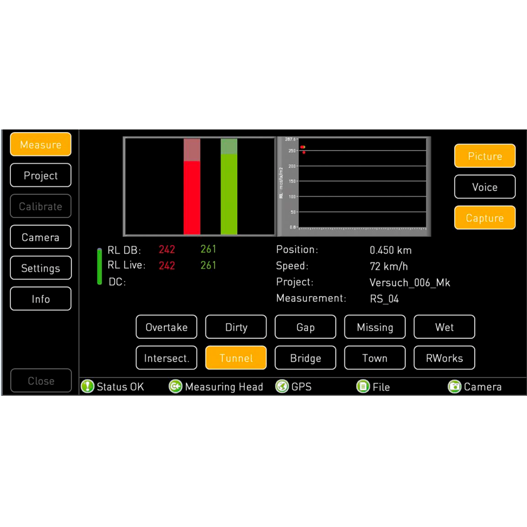
GPS coordinates and chainage is automatically recorded and stored to the RL average values. Furthermore, we provide the possibility that the co-driver can insert references with the EVENT-buttons on our RetroGrabber software (e.g. roundabout, bridge, tunnel, wet, etc.) on the laptop which will also be stored. Additional pictures can also be taken every 10 m (32.81 ft), automatically, which will be stored to the RL value.
What is the Zehntner ZDR 6020 RL used for?
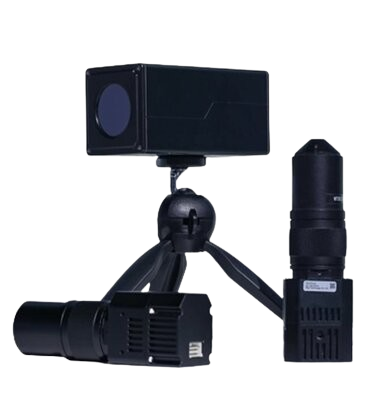
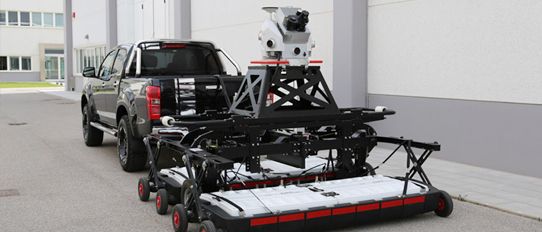
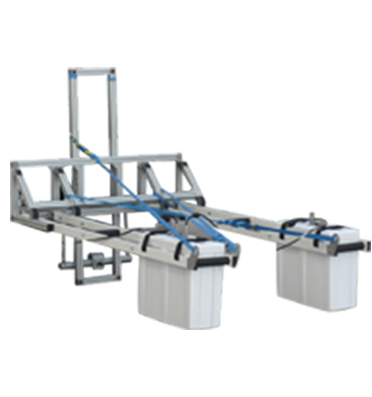
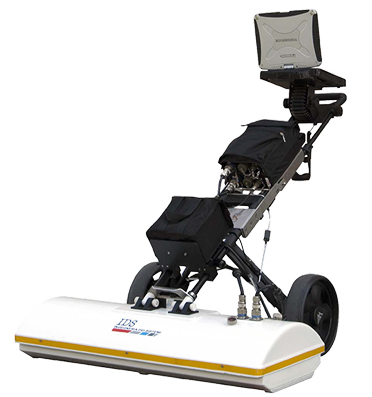
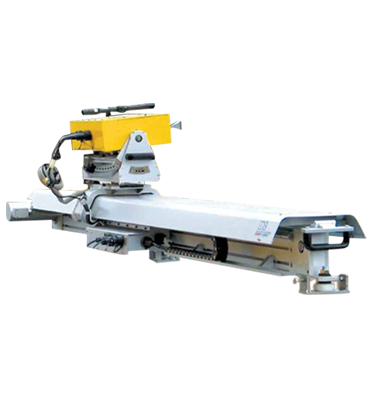
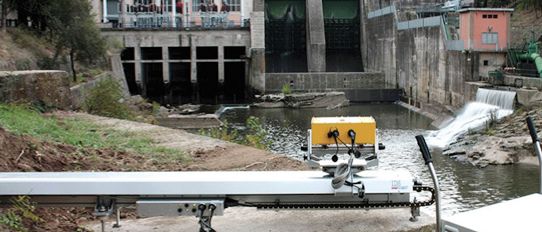
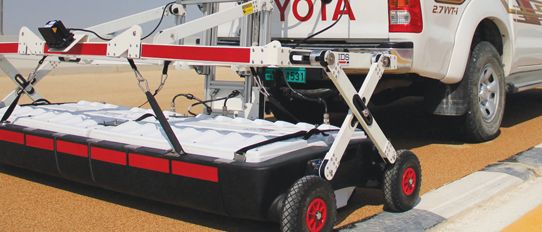
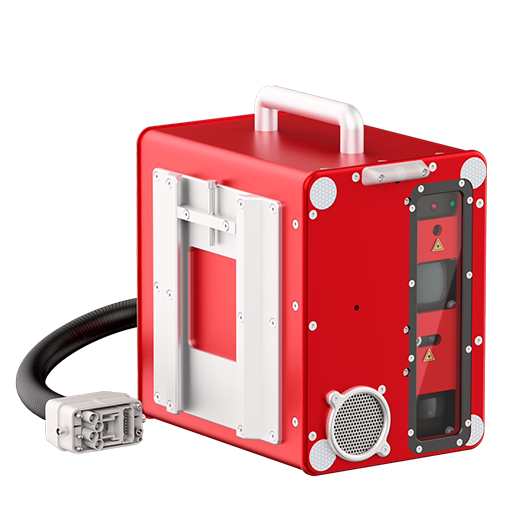
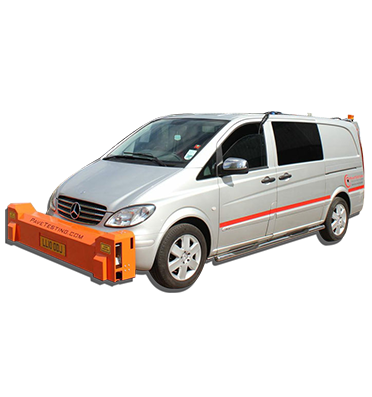
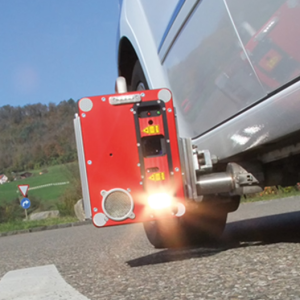
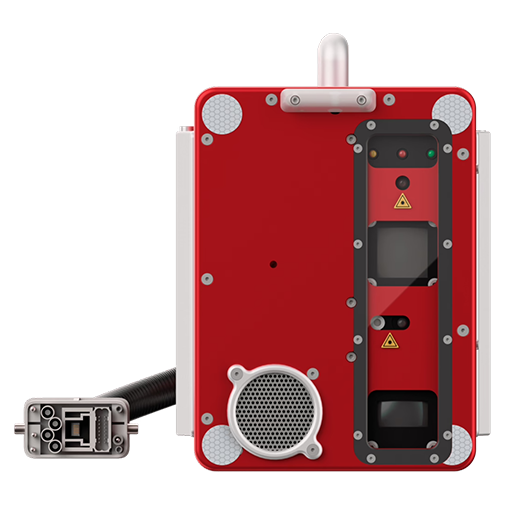
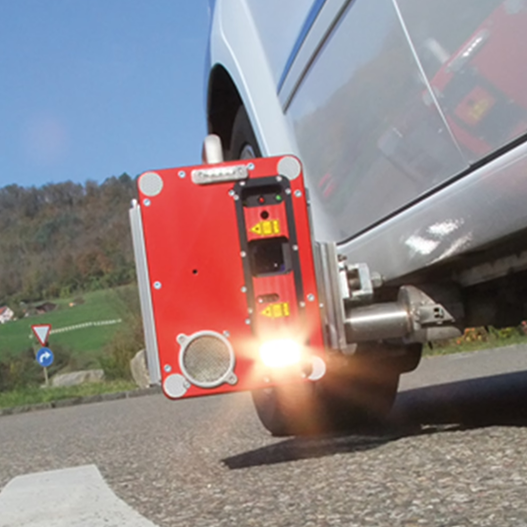
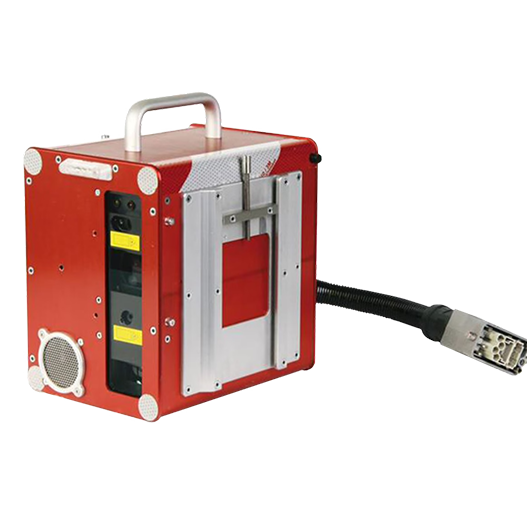
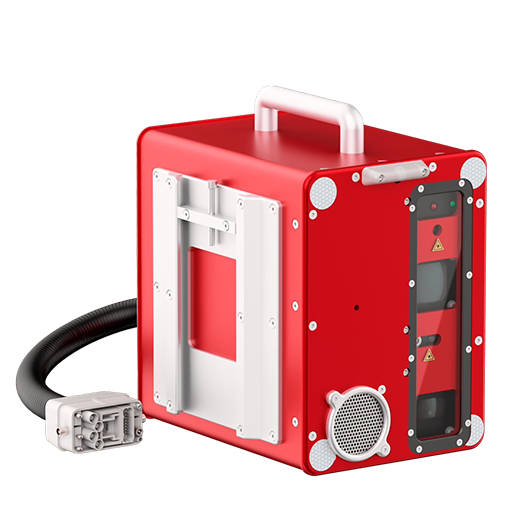
The Zehntner ZDR 6020 RL is a vehicle-mounted dynamic retroreflectometer used for continuous measurement of road marking retroreflection (RL) at traffic speeds without stopping the inspection vehicle.
What is the RL measurement range of the ZDR 6020 RL?
The ZDR 6020 RL supports high-precision retroreflection measurement up to approximately 4000 mcd/m²/lx.
Which road markings can be tested using the ZDR 6020 RL?
The device can test lane markings, pedestrian crossings, stop lines, airport runway markings, thermoplastic markings, and other reflective pavement markings.
Why is wet retroreflection testing important?
Wet-night visibility testing helps ensure road markings remain visible during rain, improving driver safety and traffic guidance.
What standards does the ZDR 6020 RL comply with?
The ZDR 6020 RL complies with major international standards including EN 1436, ASTM E1710, IRC 35-2015 and other global retroreflection testing specifications.
Does the ZDR 6020 RL provide high-accuracy measurements?
Yes, the device is designed for highly accurate and repeatable field measurements required for professional road safety audits and quality assurance.
Does the ZDR 6020 RL include GPS functionality?
Yes, integrated GPS functionality allows georeferenced measurement recording and location tracking of inspection points.
Why is GPS integration useful in retroreflection testing?
GPS tagging helps maintain accurate inspection records, supports GIS integration, and simplifies maintenance planning for road authorities.
Is the ZDR 6020 RL suitable for highway and municipal inspections?
Yes, the device is widely used for highways, municipal roads, airports, industrial zones, and pavement marking inspections.
Can the ZDR 6020 RL be used for airport runway markings?
Yes, it is suitable for testing retroreflection performance of airport runway and taxiway markings.
Does the ZDR 6020 RL improve road marking quality control?
Yes, it is extensively used for quality assurance, acceptance testing, maintenance evaluation, and compliance verification of road markings.
Can the ZDR 6020 RL measure continuously while driving?
Yes, the system performs continuous RL measurements in real time while the vehicle is moving.
Does the ZDR 6020 RL support high-speed highway inspections?
Yes, it is specifically designed for highway, expressway, airport runway, and municipal road retroreflection surveys.
Is the ZDR 6020 RL mounted on a vehicle?
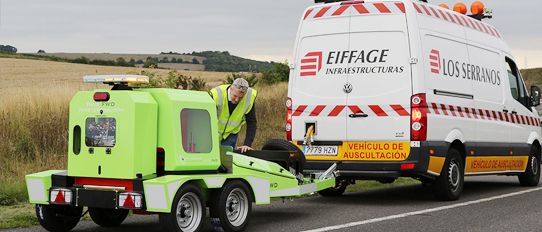
Yes, the ZDR 6020 RL is designed as a vehicle-mounted retroreflectometer system for high-speed road inspections and large-scale pavement marking surveys.
What does “dynamic retroreflection measurement” mean?
Dynamic measurement means the system can continuously measure road marking visibility while mounted on a moving vehicle, eliminating the need for manual stop-and-measure inspections.
What is the advantage of a vehicle-mounted retroreflectometer over handheld devices?
Vehicle-mounted systems allow faster inspections, continuous measurements, reduced lane closures, improved operator safety, and higher productivity.
What observation angles does the ZDR 6020 RL support?
The system supports: • 2.29° (EN 1436) • 1.05° (ASTM E1710) and IRC 35-2015
What is the observation distance of the ZDR 6020 RL?
The system uses a 30-meter observation distance, simulating real driver visibility conditions during nighttime driving.
Does the ZDR 6020 RL include GPS functionality?
Yes, the system includes advanced GPS with Dead Reckoning (DR) capability.
What power supply does the ZDR 6020 RL require?
The system operates on 12–16 VDC with: • Nominal current: 20 A • Maximum current: 33 A • Fused at: 40 A
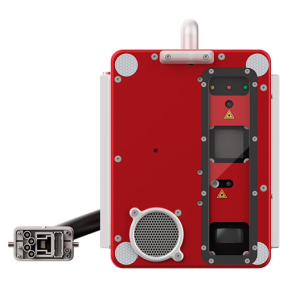
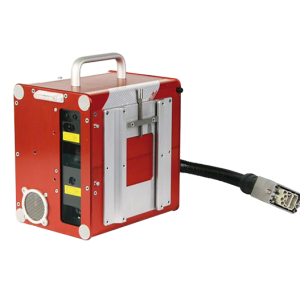
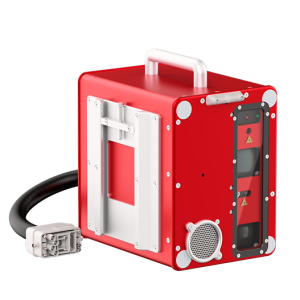
What are the dimensions and weight of the measuring head?
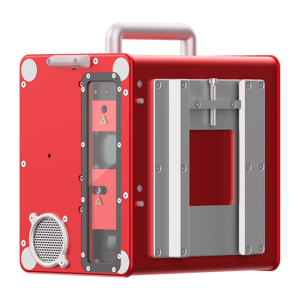
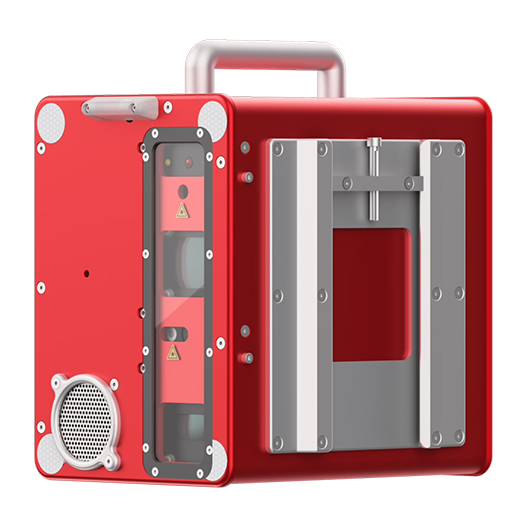
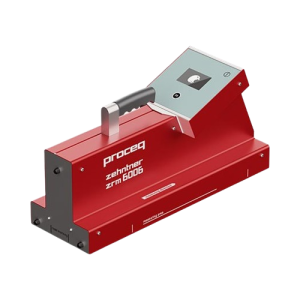
Measuring head dimensions: 270 × 207 × 310 mm Weight: 10.5 kg
What data is recorded with ZDR 6020?
RL average values, day contrast ratio, GPS coordinates, chainage (position in km/miles), ambient temperature (°C/°F), relative humidity (rH%), driven average speed, picture, voice recording as well as date and time.
How many measurements can be taken with the system at a certain distance?
The number depends on the driven speed and the chosen average interval. The system has a measuring frequency of 300 Hz. Usually, 680 measurements are used for calculating the average value if the driving speed is 90 km/h and the average interval is 100 m.
Number of taken at 90km/h = 12 measurements per meter
How do I know to which place the RL values belong?
GPS coordinates and chainage is automatically recorded and stored to the RL average values. Furthermore, we provide the possibility that the co-driver can insert references with the EVENT-buttons on our RetroGrabber software (e.g. roundabout, bridge, tunnel, wet, etc.) on the laptop which will also be stored. Additional pictures can also be taken every 10 m (32.81 ft), automatically, which will be stored to the RL value.
What is the Zehntner ZDR 6020 RL used for?
The Zehntner ZDR 6020 RL is a vehicle-mounted dynamic retroreflectometer used for continuous measurement of road marking retroreflection (RL) at traffic speeds without stopping the inspection vehicle.
What is the RL measurement range of the ZDR 6020 RL?
The ZDR 6020 RL supports high-precision retroreflection measurement up to approximately 4000 mcd/m²/lx.
Which road markings can be tested using the ZDR 6020 RL?
The device can test lane markings, pedestrian crossings, stop lines, airport runway markings, thermoplastic markings, and other reflective pavement markings.
Why is wet retroreflection testing important?
Wet-night visibility testing helps ensure road markings remain visible during rain, improving driver safety and traffic guidance.
What standards does the ZDR 6020 RL comply with?
The ZDR 6020 RL complies with major international standards including EN 1436, ASTM E1710, IRC 35-2015 and other global retroreflection testing specifications.
Does the ZDR 6020 RL provide high-accuracy measurements?
Yes, the device is designed for highly accurate and repeatable field measurements required for professional road safety audits and quality assurance.

Does the ZDR 6020 RL include GPS functionality?
Yes, integrated GPS functionality allows georeferenced measurement recording and location tracking of inspection points.
Why is GPS integration useful in retroreflection testing?
GPS tagging helps maintain accurate inspection records, supports GIS integration, and simplifies maintenance planning for road authorities.
Is the ZDR 6020 RL suitable for highway and municipal inspections?
Yes, the device is widely used for highways, municipal roads, airports, industrial zones, and pavement marking inspections.
Can the ZDR 6020 RL be used for airport runway markings?
Yes, it is suitable for testing retroreflection performance of airport runway and taxiway markings.
Does the ZDR 6020 RL improve road marking quality control?
Yes, it is extensively used for quality assurance, acceptance testing, maintenance evaluation, and compliance verification of road markings.
Can the ZDR 6020 RL measure continuously while driving?
Yes, the system performs continuous RL measurements in real time while the vehicle is moving.
Does the ZDR 6020 RL support high-speed highway inspections?
Yes, it is specifically designed for highway, expressway, airport runway, and municipal road retroreflection surveys.
Is the ZDR 6020 RL mounted on a vehicle?
Yes, the ZDR 6020 RL is designed as a vehicle-mounted retroreflectometer system for high-speed road inspections and large-scale pavement marking surveys.
What does “dynamic retroreflection measurement” mean?
Dynamic measurement means the system can continuously measure road marking visibility while mounted on a moving vehicle, eliminating the need for manual stop-and-measure inspections.
What is the advantage of a vehicle-mounted retroreflectometer over handheld devices?
Vehicle-mounted systems allow faster inspections, continuous measurements, reduced lane closures, improved operator safety, and higher productivity.
What observation angles does the ZDR 6020 RL support?
The system supports: • 2.29° (EN 1436) • 1.05° (ASTM E1710) and IRC 35-2015
What is the observation distance of the ZDR 6020 RL?
The system uses a 30-meter observation distance, simulating real driver visibility conditions during nighttime driving.
Does the ZDR 6020 RL include GPS functionality?
Yes, the system includes advanced GPS with Dead Reckoning (DR) capability.
What power supply does the ZDR 6020 RL require?
The system operates on 12–16 VDC with: • Nominal current: 20 A • Maximum current: 33 A • Fused at: 40 A
What are the dimensions and weight of the measuring head?
Measuring head dimensions: 270 × 207 × 310 mm Weight: 10.5 kg
What data is recorded with ZDR 6020?
RL average values, day contrast ratio, GPS coordinates, chainage (position in km/miles), ambient temperature (°C/°F), relative humidity (rH%), driven average speed, picture, voice recording as well as date and time.
How many measurements can be taken with the system at a certain distance?
The number depends on the driven speed and the chosen average interval. The system has a measuring frequency of 300 Hz. Usually, 680 measurements are used for calculating the average value if the driving speed is 90 km/h and the average interval is 100 m.
Number of taken at 90km/h = 12 measurements per meter
How do I know to which place the RL values belong?
GPS coordinates and chainage is automatically recorded and stored to the RL average values. Furthermore, we provide the possibility that the co-driver can insert references with the EVENT-buttons on our RetroGrabber software (e.g. roundabout, bridge, tunnel, wet, etc.) on the laptop which will also be stored. Additional pictures can also be taken every 10 m (32.81 ft), automatically, which will be stored to the RL value.

What is the Zehntner ZDR 6020 RL used for?
The Zehntner ZDR 6020 RL is a vehicle-mounted dynamic retroreflectometer used for continuous measurement of road marking retroreflection (RL) at traffic speeds without stopping the inspection vehicle.
What is the RL measurement range of the ZDR 6020 RL?
The ZDR 6020 RL supports high-precision retroreflection measurement up to approximately 4000 mcd/m²/lx.
Which road markings can be tested using the ZDR 6020 RL?
The device can test lane markings, pedestrian crossings, stop lines, airport runway markings, thermoplastic markings, and other reflective pavement markings.
Why is wet retroreflection testing important?
Wet-night visibility testing helps ensure road markings remain visible during rain, improving driver safety and traffic guidance.
What standards does the ZDR 6020 RL comply with?
The ZDR 6020 RL complies with major international standards including EN 1436, ASTM E1710, IRC 35-2015 and other global retroreflection testing specifications.
Does the ZDR 6020 RL provide high-accuracy measurements?
Yes, the device is designed for highly accurate and repeatable field measurements required for professional road safety audits and quality assurance.
Does the ZDR 6020 RL include GPS functionality?
Yes, integrated GPS functionality allows georeferenced measurement recording and location tracking of inspection points.
Why is GPS integration useful in retroreflection testing?
GPS tagging helps maintain accurate inspection records, supports GIS integration, and simplifies maintenance planning for road authorities.
Is the ZDR 6020 RL suitable for highway and municipal inspections?
Yes, the device is widely used for highways, municipal roads, airports, industrial zones, and pavement marking inspections.
Can the ZDR 6020 RL be used for airport runway markings?
Yes, it is suitable for testing retroreflection performance of airport runway and taxiway markings.
Does the ZDR 6020 RL improve road marking quality control?
Yes, it is extensively used for quality assurance, acceptance testing, maintenance evaluation, and compliance verification of road markings.
Can the ZDR 6020 RL measure continuously while driving?
Yes, the system performs continuous RL measurements in real time while the vehicle is moving.
Does the ZDR 6020 RL support high-speed highway inspections?
Yes, it is specifically designed for highway, expressway, airport runway, and municipal road retroreflection surveys.
Is the ZDR 6020 RL mounted on a vehicle?
Yes, the ZDR 6020 RL is designed as a vehicle-mounted retroreflectometer system for high-speed road inspections and large-scale pavement marking surveys.
What does “dynamic retroreflection measurement” mean?
Dynamic measurement means the system can continuously measure road marking visibility while mounted on a moving vehicle, eliminating the need for manual stop-and-measure inspections.
What is the advantage of a vehicle-mounted retroreflectometer over handheld devices?
Vehicle-mounted systems allow faster inspections, continuous measurements, reduced lane closures, improved operator safety, and higher productivity.
What observation angles does the ZDR 6020 RL support?
The system supports: • 2.29° (EN 1436) • 1.05° (ASTM E1710) and IRC 35-2015
What is the observation distance of the ZDR 6020 RL?
The system uses a 30-meter observation distance, simulating real driver visibility conditions during nighttime driving.
Does the ZDR 6020 RL include GPS functionality?
Yes, the system includes advanced GPS with Dead Reckoning (DR) capability.
What power supply does the ZDR 6020 RL require?
The system operates on 12–16 VDC with: • Nominal current: 20 A • Maximum current: 33 A • Fused at: 40 A
What are the dimensions and weight of the measuring head?
Measuring head dimensions: 270 × 207 × 310 mm Weight: 10.5 kg
What data is recorded with ZDR 6020?
RL average values, day contrast ratio, GPS coordinates, chainage (position in km/miles), ambient temperature (°C/°F), relative humidity (rH%), driven average speed, picture, voice recording as well as date and time.
How many measurements can be taken with the system at a certain distance?
The number depends on the driven speed and the chosen average interval. The system has a measuring frequency of 300 Hz. Usually, 680 measurements are used for calculating the average value if the driving speed is 90 km/h and the average interval is 100 m.
Number of taken at 90km/h = 12 measurements per meter
How do I know to which place the RL values belong?
GPS coordinates and chainage is automatically recorded and stored to the RL average values. Furthermore, we provide the possibility that the co-driver can insert references with the EVENT-buttons on our RetroGrabber software (e.g. roundabout, bridge, tunnel, wet, etc.) on the laptop which will also be stored. Additional pictures can also be taken every 10 m (32.81 ft), automatically, which will be stored to the RL value.
What is the Zehntner ZDR 6020 RL used for?
The Zehntner ZDR 6020 RL is a vehicle-mounted dynamic retroreflectometer used for continuous measurement of road marking retroreflection (RL) at traffic speeds without stopping the inspection vehicle.
What is the RL measurement range of the ZDR 6020 RL?
The ZDR 6020 RL supports high-precision retroreflection measurement up to approximately 4000 mcd/m²/lx.
Which road markings can be tested using the ZDR 6020 RL?
The device can test lane markings, pedestrian crossings, stop lines, airport runway markings, thermoplastic markings, and other reflective pavement markings.
Why is wet retroreflection testing important?
Wet-night visibility testing helps ensure road markings remain visible during rain, improving driver safety and traffic guidance.
What standards does the ZDR 6020 RL comply with?
The ZDR 6020 RL complies with major international standards including EN 1436, ASTM E1710, IRC 35-2015 and other global retroreflection testing specifications.
Does the ZDR 6020 RL provide high-accuracy measurements?
Yes, the device is designed for highly accurate and repeatable field measurements required for professional road safety audits and quality assurance.
Does the ZDR 6020 RL include GPS functionality?
Yes, integrated GPS functionality allows georeferenced measurement recording and location tracking of inspection points.
Why is GPS integration useful in retroreflection testing?
GPS tagging helps maintain accurate inspection records, supports GIS integration, and simplifies maintenance planning for road authorities.
Is the ZDR 6020 RL suitable for highway and municipal inspections?
Yes, the device is widely used for highways, municipal roads, airports, industrial zones, and pavement marking inspections.
Can the ZDR 6020 RL be used for airport runway markings?
Yes, it is suitable for testing retroreflection performance of airport runway and taxiway markings.
Does the ZDR 6020 RL improve road marking quality control?
Yes, it is extensively used for quality assurance, acceptance testing, maintenance evaluation, and compliance verification of road markings.
Can the ZDR 6020 RL measure continuously while driving?
Yes, the system performs continuous RL measurements in real time while the vehicle is moving.
Does the ZDR 6020 RL support high-speed highway inspections?
Yes, it is specifically designed for highway, expressway, airport runway, and municipal road retroreflection surveys.
Is the ZDR 6020 RL mounted on a vehicle?
Yes, the ZDR 6020 RL is designed as a vehicle-mounted retroreflectometer system for high-speed road inspections and large-scale pavement marking surveys.
What does “dynamic retroreflection measurement” mean?
Dynamic measurement means the system can continuously measure road marking visibility while mounted on a moving vehicle, eliminating the need for manual stop-and-measure inspections.
What is the advantage of a vehicle-mounted retroreflectometer over handheld devices?
Vehicle-mounted systems allow faster inspections, continuous measurements, reduced lane closures, improved operator safety, and higher productivity.
What observation angles does the ZDR 6020 RL support?
The system supports: • 2.29° (EN 1436) • 1.05° (ASTM E1710) and IRC 35-2015
What is the observation distance of the ZDR 6020 RL?
The system uses a 30-meter observation distance, simulating real driver visibility conditions during nighttime driving.
Does the ZDR 6020 RL include GPS functionality?
Yes, the system includes advanced GPS with Dead Reckoning (DR) capability.
What power supply does the ZDR 6020 RL require?
The system operates on 12–16 VDC with: • Nominal current: 20 A • Maximum current: 33 A • Fused at: 40 A
What are the dimensions and weight of the measuring head?
Measuring head dimensions: 270 × 207 × 310 mm Weight: 10.5 kg