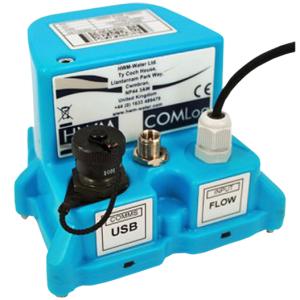
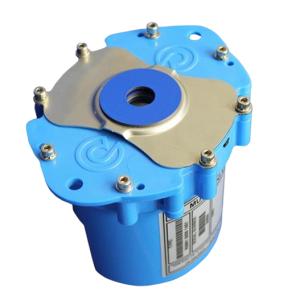
What is the ComLog 2 used for?
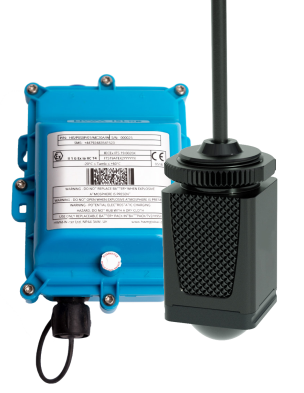
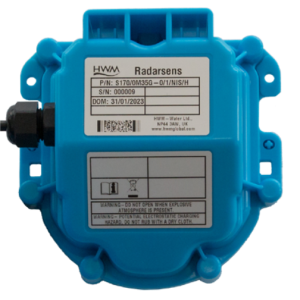
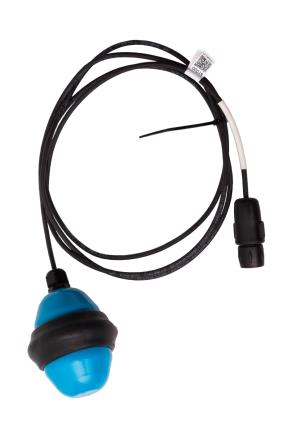
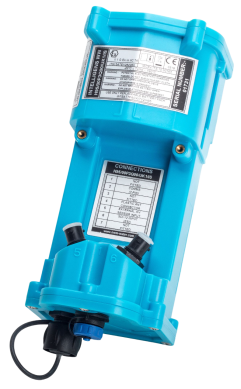
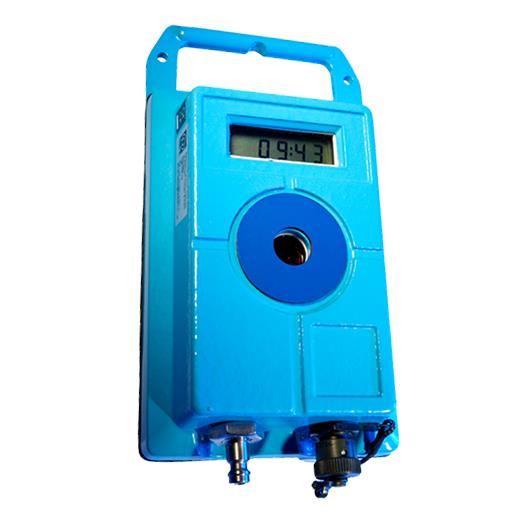
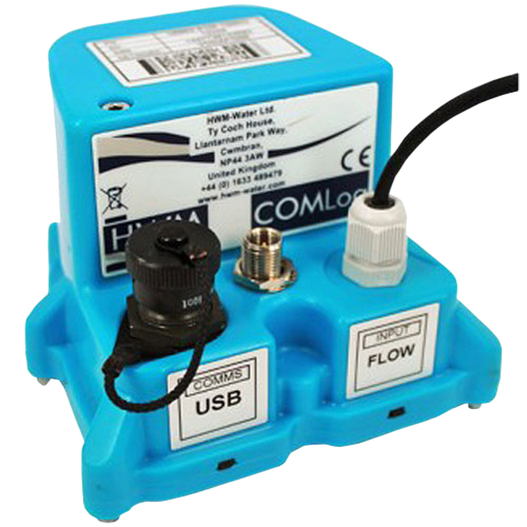
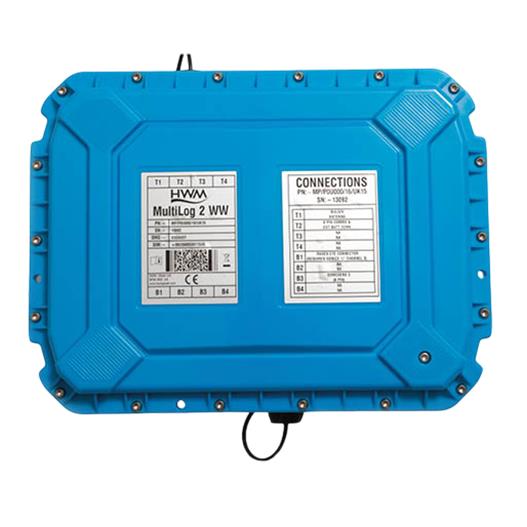
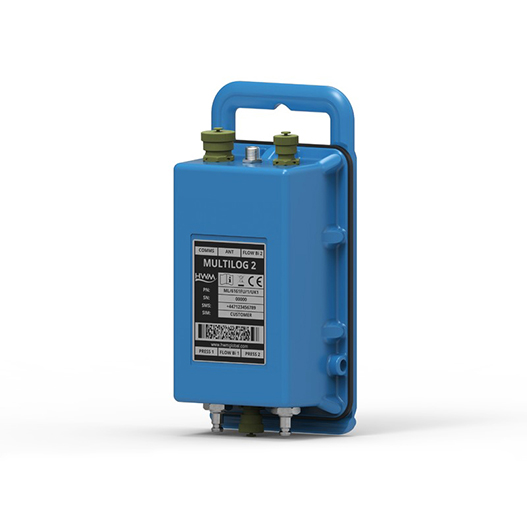
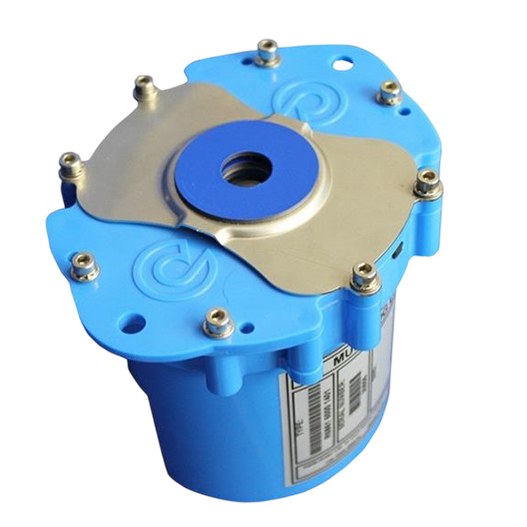
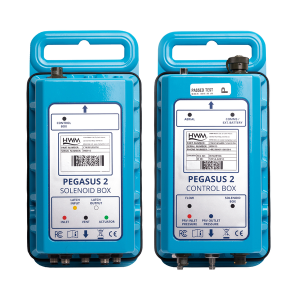
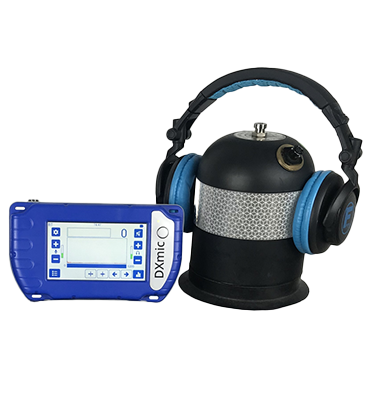
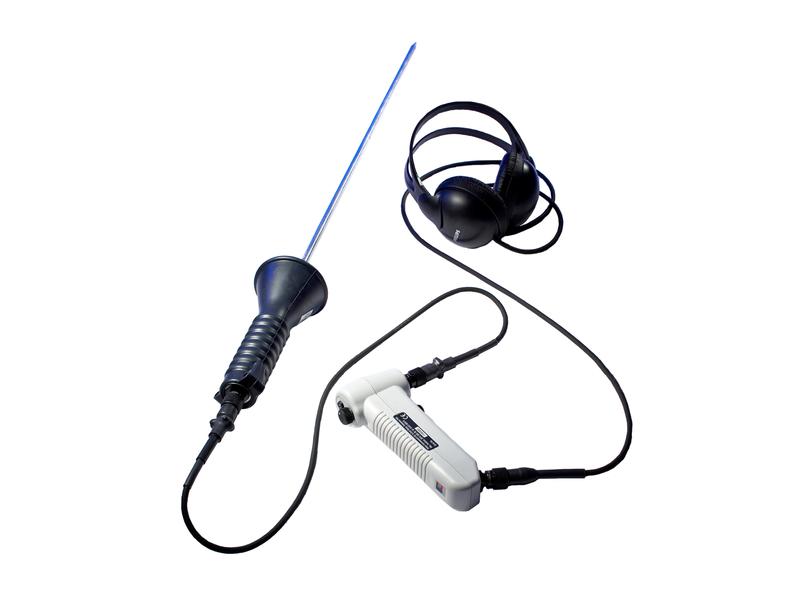
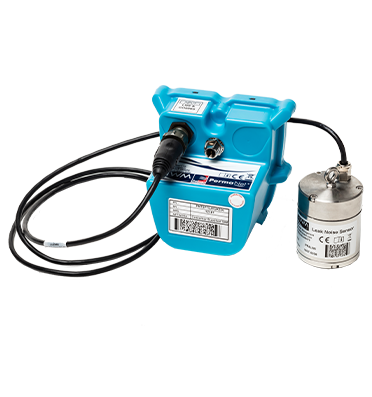
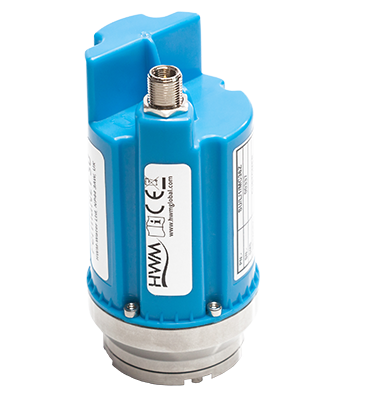
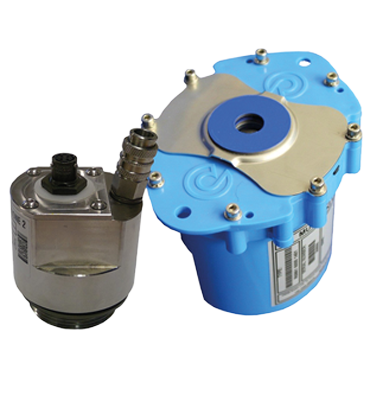
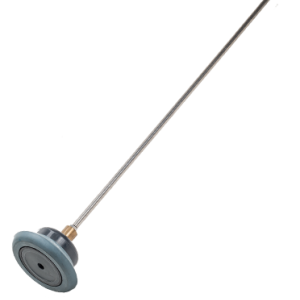
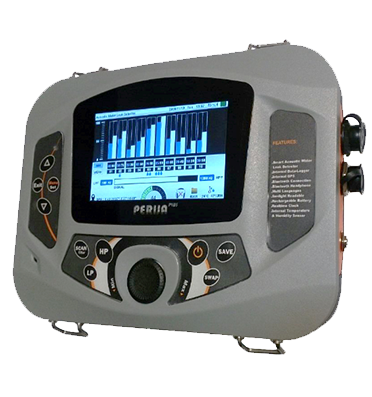
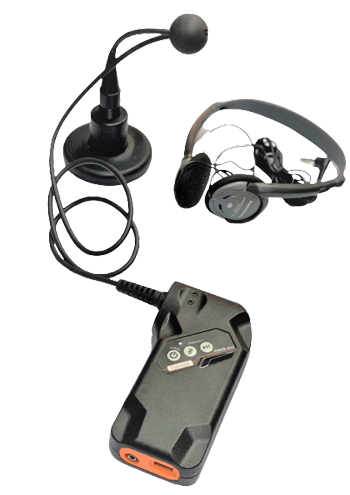
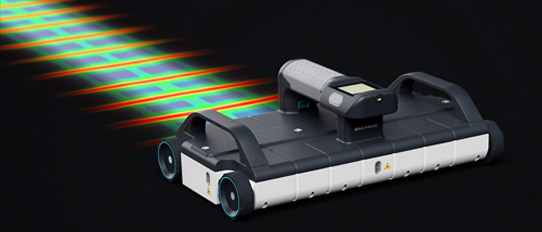
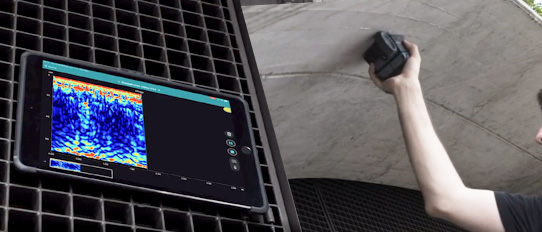
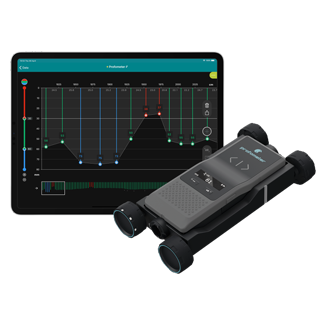
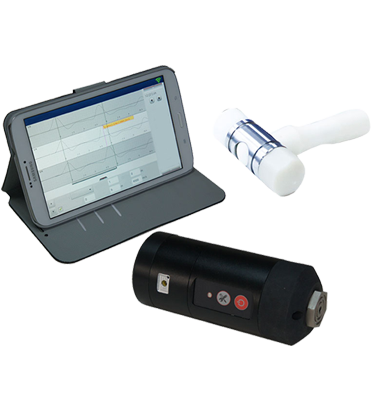
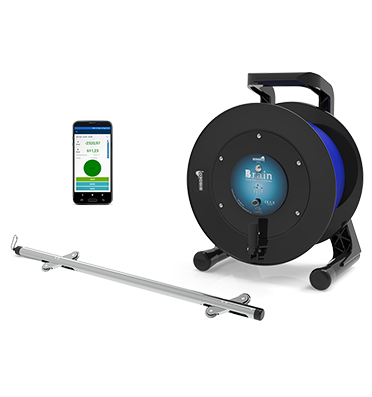
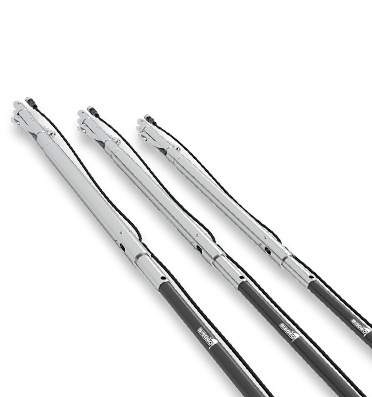
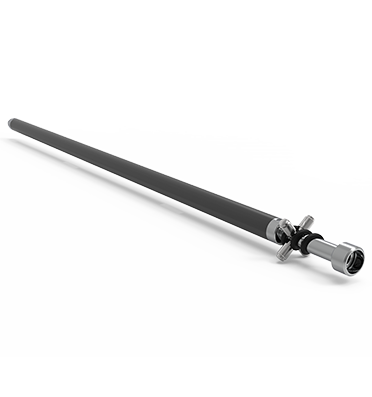
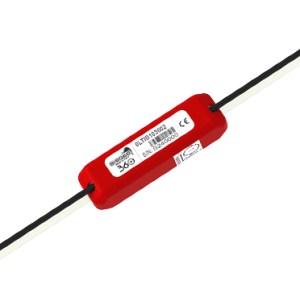
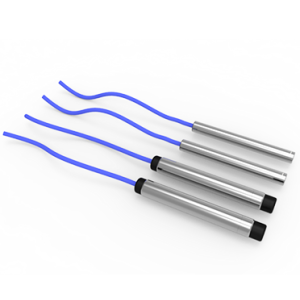
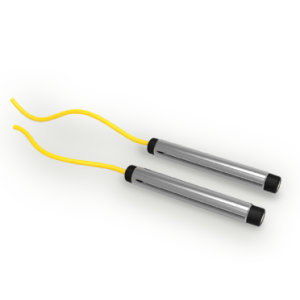
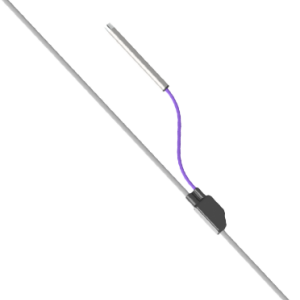
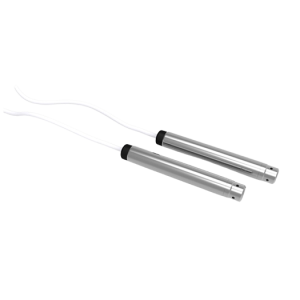
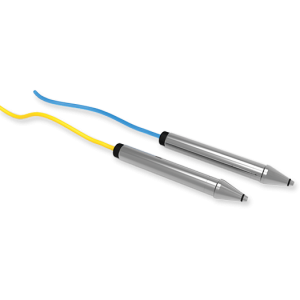
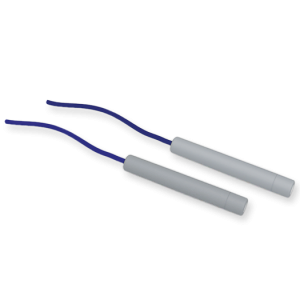
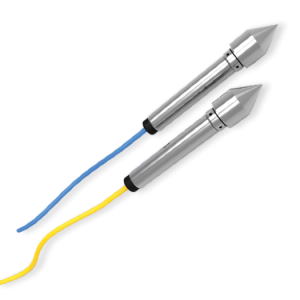
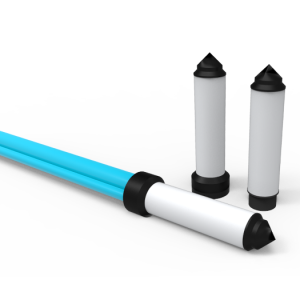
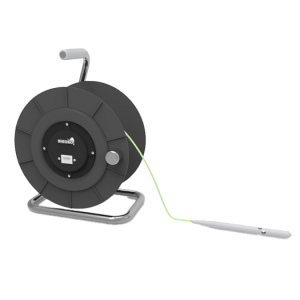
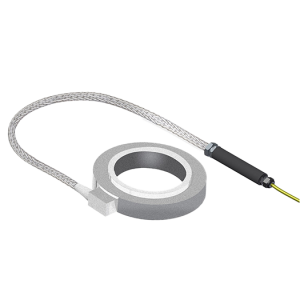
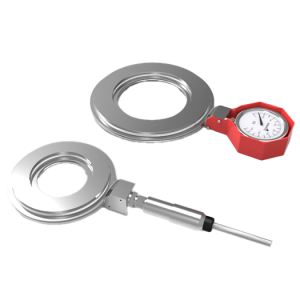
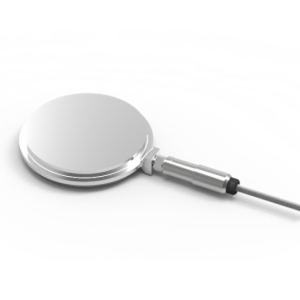
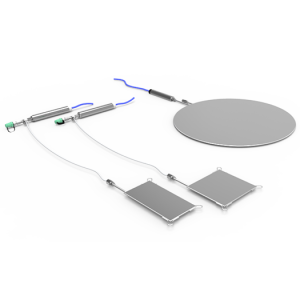
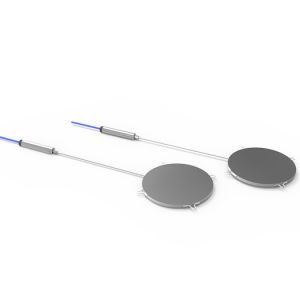
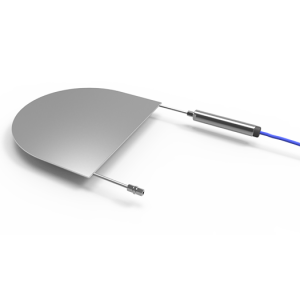
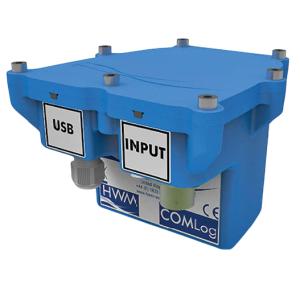
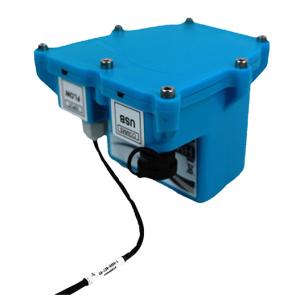
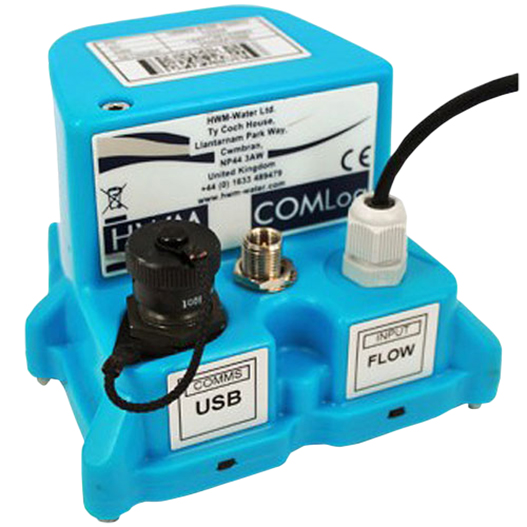
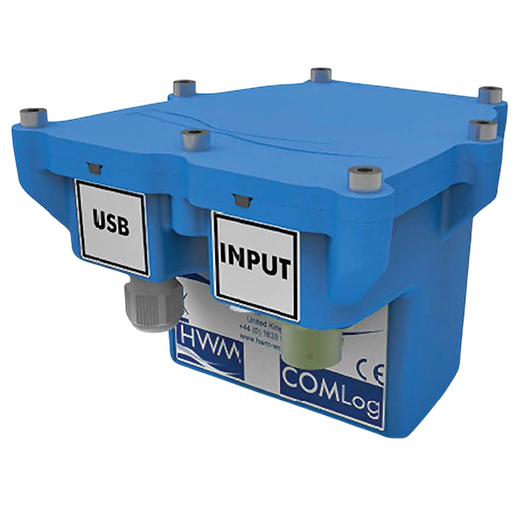
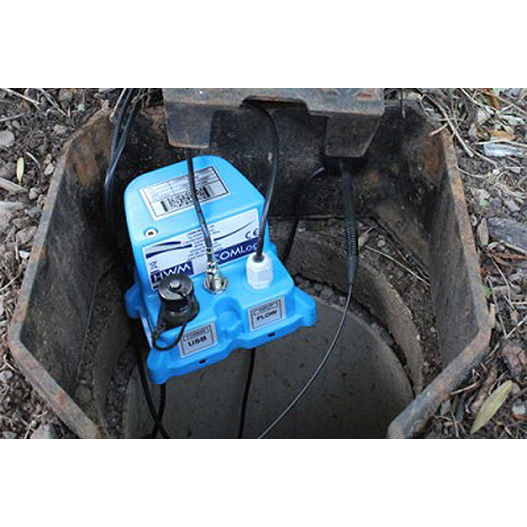
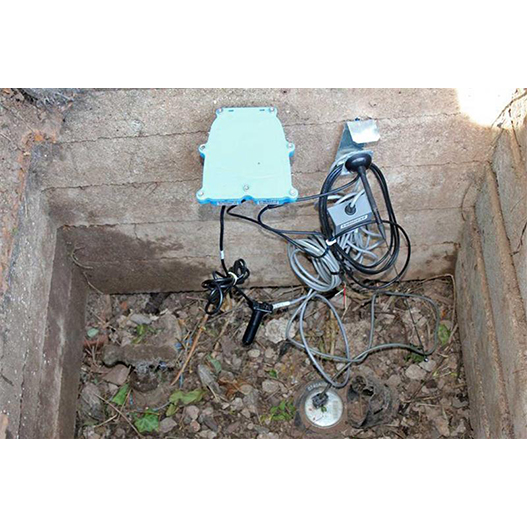
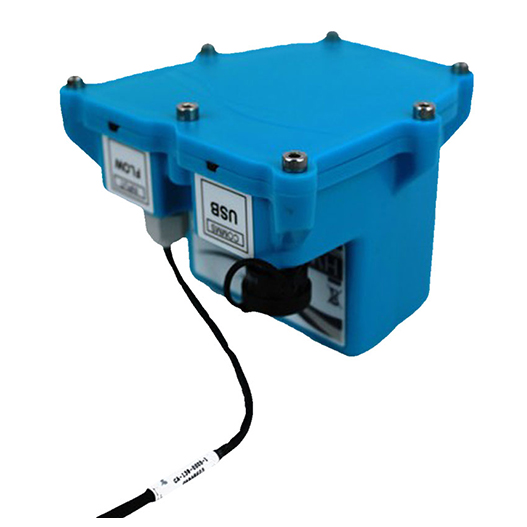
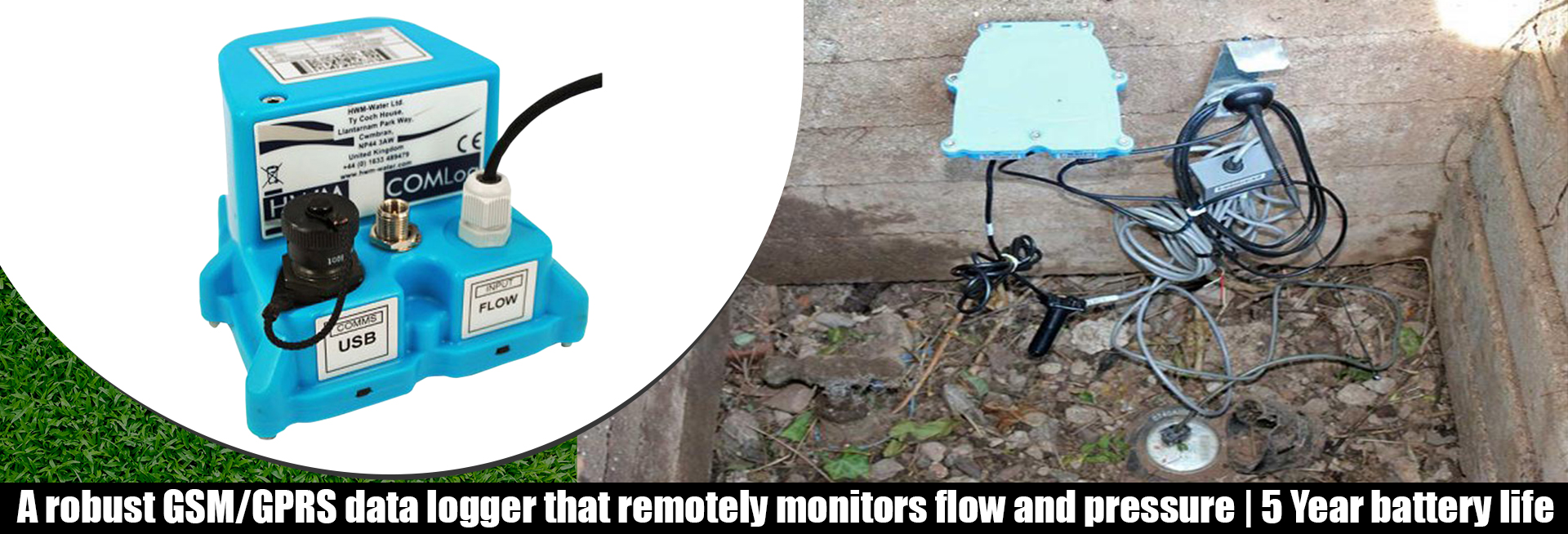
The ComLog 2 is a correlating noise logger system designed for permanent and mobile leak detection in water distribution networks. It combines acoustic noise logging with correlation technology to accurately locate hidden leaks.
How does ComLog 2 detect and locate leaks?
ComLog 2 records acoustic leak noise from multiple points on a pipeline and uses cross-correlation algorithms to calculate the exact leak position between logger locations.
What is the advantage of correlation-based leak detection?
Correlation technology provides accurate leak location information, reducing excavation costs, repair times, and unnecessary pipe exposure.
Can ComLog 2 operate as a permanent monitoring system?
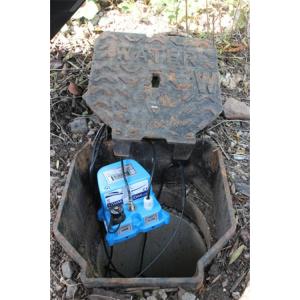
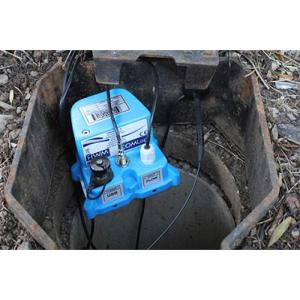
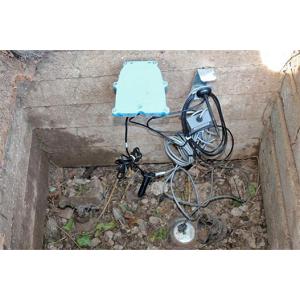
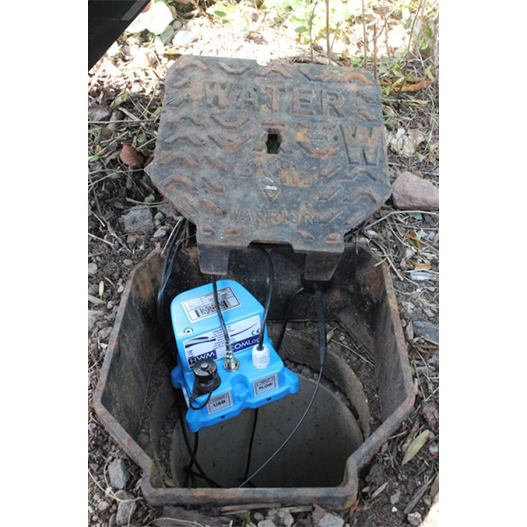
Yes. ComLog 2 can be deployed as a fixed leak monitoring network, continuously monitoring critical water infrastructure and alerting operators to new leak events.
Does ComLog 2 support remote data communication?
Yes. The system supports wireless data transmission and remote access, enabling operators to analyze leak data without visiting each logger location.
Is ComLog 2 suitable for DMA monitoring?
Yes. It is widely used in District Metered Areas (DMAs) to support NRW reduction programs and continuous network monitoring.
How accurate is the leak location capability?
Using advanced correlation processing and synchronized acoustic measurements, ComLog 2 can locate leaks with high positional accuracy, significantly reducing field investigation time.
Can ComLog 2 detect small background leaks?
Yes. The highly sensitive acoustic sensors can identify developing leaks before they become major bursts, helping utilities reduce water losses proactively.
What types of pipelines can be monitored?
ComLog 2 can be used on metallic, ductile iron, steel, PVC, HDPE, and mixed-material water distribution pipelines.
Does ComLog 2 support cloud-based data management?
Yes. Data can be viewed and analyzed through centralized software platforms, allowing leak prioritization, trend analysis, and network-wide reporting.
What is the communication range between loggers?
The system uses advanced wireless communication technologies that support reliable data transfer across large water distribution networks.
Can utilities prioritize repairs using ComLog 2 data?
Yes. Leak severity, location data, and historical trends help maintenance teams focus resources on the highest-priority leaks first.
How does ComLog 2 help reduce Non-Revenue Water (NRW)?
By continuously identifying hidden leaks and accurately locating them, ComLog 2 enables faster repairs, reducing water losses and improving network efficiency.
Which organizations typically use ComLog 2?
Water utilities, municipal corporations, smart city projects, industrial water networks, NRW management programs, and utility contractors.
What are the key technical advantages of ComLog 2?
Key advantages include acoustic noise logging, leak correlation technology, remote communication, DMA monitoring capability, permanent network monitoring, cloud-based analytics, and accurate leak location functionality.
Where can the ComLog 2 be used?
ComLog 2 can be deployed across municipal water distribution networks, District Metered Areas (DMAs), transmission mains, industrial water systems, smart city water projects, and utility infrastructure networks.
Can ComLog 2 be used in DMA-based NRW reduction programs?
Yes. It is specifically designed for DMA monitoring, helping utilities identify hidden leaks and reduce Non-Revenue Water (NRW) losses.
What is the ComLog 2 used for?
The ComLog 2 is a correlating noise logger system designed for permanent and mobile leak detection in water distribution networks. It combines acoustic noise logging with correlation technology to accurately locate hidden leaks.
How does ComLog 2 detect and locate leaks?
ComLog 2 records acoustic leak noise from multiple points on a pipeline and uses cross-correlation algorithms to calculate the exact leak position between logger locations.
What is the advantage of correlation-based leak detection?
Correlation technology provides accurate leak location information, reducing excavation costs, repair times, and unnecessary pipe exposure.
Can ComLog 2 operate as a permanent monitoring system?
Yes. ComLog 2 can be deployed as a fixed leak monitoring network, continuously monitoring critical water infrastructure and alerting operators to new leak events.
Does ComLog 2 support remote data communication?
Yes. The system supports wireless data transmission and remote access, enabling operators to analyze leak data without visiting each logger location.
Is ComLog 2 suitable for DMA monitoring?
Yes. It is widely used in District Metered Areas (DMAs) to support NRW reduction programs and continuous network monitoring.
How accurate is the leak location capability?
Using advanced correlation processing and synchronized acoustic measurements, ComLog 2 can locate leaks with high positional accuracy, significantly reducing field investigation time.
Can ComLog 2 detect small background leaks?
Yes. The highly sensitive acoustic sensors can identify developing leaks before they become major bursts, helping utilities reduce water losses proactively.
What types of pipelines can be monitored?
ComLog 2 can be used on metallic, ductile iron, steel, PVC, HDPE, and mixed-material water distribution pipelines.
Does ComLog 2 support cloud-based data management?
Yes. Data can be viewed and analyzed through centralized software platforms, allowing leak prioritization, trend analysis, and network-wide reporting.
What is the communication range between loggers?
The system uses advanced wireless communication technologies that support reliable data transfer across large water distribution networks.
Can utilities prioritize repairs using ComLog 2 data?
Yes. Leak severity, location data, and historical trends help maintenance teams focus resources on the highest-priority leaks first.
How does ComLog 2 help reduce Non-Revenue Water (NRW)?
By continuously identifying hidden leaks and accurately locating them, ComLog 2 enables faster repairs, reducing water losses and improving network efficiency.
Which organizations typically use ComLog 2?
Water utilities, municipal corporations, smart city projects, industrial water networks, NRW management programs, and utility contractors.
What are the key technical advantages of ComLog 2?
Key advantages include acoustic noise logging, leak correlation technology, remote communication, DMA monitoring capability, permanent network monitoring, cloud-based analytics, and accurate leak location functionality.
Where can the ComLog 2 be used?
ComLog 2 can be deployed across municipal water distribution networks, District Metered Areas (DMAs), transmission mains, industrial water systems, smart city water projects, and utility infrastructure networks.
Can ComLog 2 be used in DMA-based NRW reduction programs?
Yes. It is specifically designed for DMA monitoring, helping utilities identify hidden leaks and reduce Non-Revenue Water (NRW) losses.
What is the ComLog 2 used for?
The ComLog 2 is a correlating noise logger system designed for permanent and mobile leak detection in water distribution networks. It combines acoustic noise logging with correlation technology to accurately locate hidden leaks.
How does ComLog 2 detect and locate leaks?
ComLog 2 records acoustic leak noise from multiple points on a pipeline and uses cross-correlation algorithms to calculate the exact leak position between logger locations.
What is the advantage of correlation-based leak detection?
Correlation technology provides accurate leak location information, reducing excavation costs, repair times, and unnecessary pipe exposure.
Can ComLog 2 operate as a permanent monitoring system?
Yes. ComLog 2 can be deployed as a fixed leak monitoring network, continuously monitoring critical water infrastructure and alerting operators to new leak events.
Does ComLog 2 support remote data communication?
Yes. The system supports wireless data transmission and remote access, enabling operators to analyze leak data without visiting each logger location.
Is ComLog 2 suitable for DMA monitoring?
Yes. It is widely used in District Metered Areas (DMAs) to support NRW reduction programs and continuous network monitoring.
How accurate is the leak location capability?
Using advanced correlation processing and synchronized acoustic measurements, ComLog 2 can locate leaks with high positional accuracy, significantly reducing field investigation time.
Can ComLog 2 detect small background leaks?
Yes. The highly sensitive acoustic sensors can identify developing leaks before they become major bursts, helping utilities reduce water losses proactively.
What types of pipelines can be monitored?
ComLog 2 can be used on metallic, ductile iron, steel, PVC, HDPE, and mixed-material water distribution pipelines.
Does ComLog 2 support cloud-based data management?
Yes. Data can be viewed and analyzed through centralized software platforms, allowing leak prioritization, trend analysis, and network-wide reporting.
What is the communication range between loggers?
The system uses advanced wireless communication technologies that support reliable data transfer across large water distribution networks.
Can utilities prioritize repairs using ComLog 2 data?
Yes. Leak severity, location data, and historical trends help maintenance teams focus resources on the highest-priority leaks first.
How does ComLog 2 help reduce Non-Revenue Water (NRW)?
By continuously identifying hidden leaks and accurately locating them, ComLog 2 enables faster repairs, reducing water losses and improving network efficiency.
Which organizations typically use ComLog 2?
Water utilities, municipal corporations, smart city projects, industrial water networks, NRW management programs, and utility contractors.
What are the key technical advantages of ComLog 2?
Key advantages include acoustic noise logging, leak correlation technology, remote communication, DMA monitoring capability, permanent network monitoring, cloud-based analytics, and accurate leak location functionality.
Where can the ComLog 2 be used?
ComLog 2 can be deployed across municipal water distribution networks, District Metered Areas (DMAs), transmission mains, industrial water systems, smart city water projects, and utility infrastructure networks.
Can ComLog 2 be used in DMA-based NRW reduction programs?
Yes. It is specifically designed for DMA monitoring, helping utilities identify hidden leaks and reduce Non-Revenue Water (NRW) losses.