How can I prevent sewer overflow before it causes flooding?
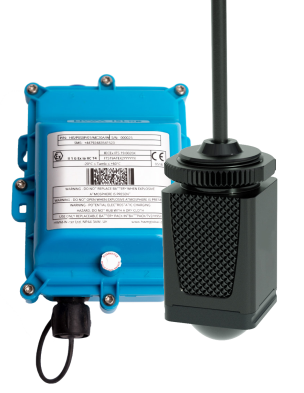
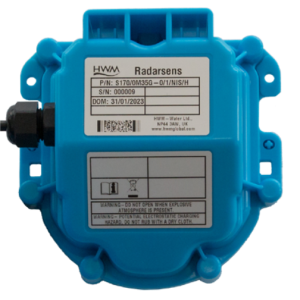
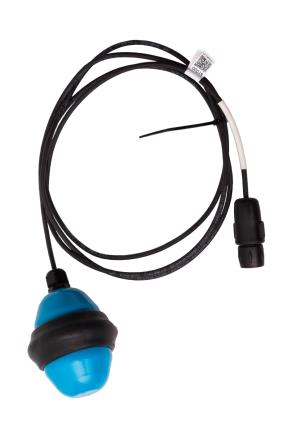
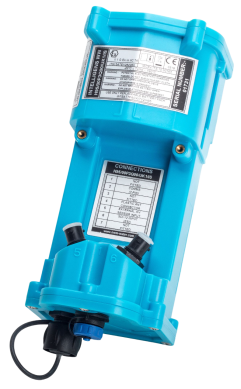
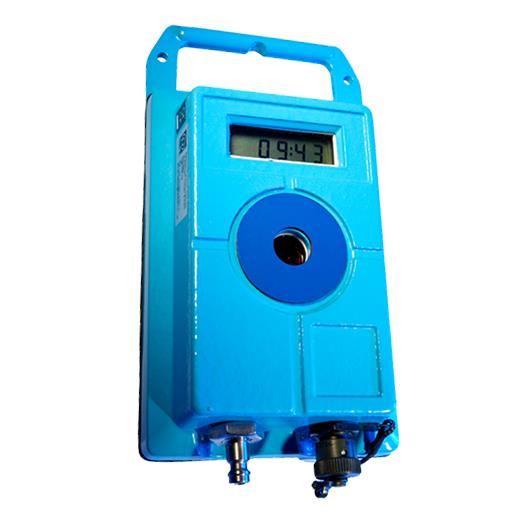
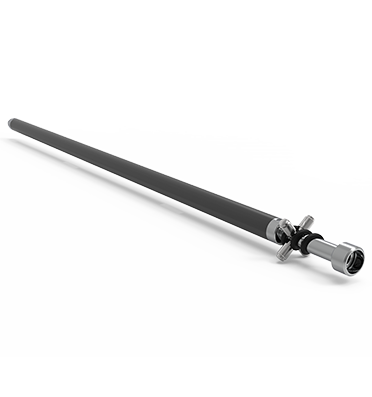
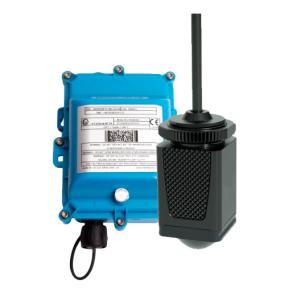
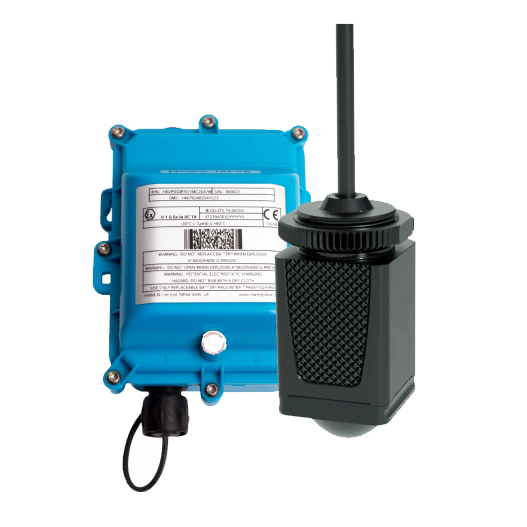
The RadarSens LR continuously monitors wastewater levels in sewer and stormwater systems using radar technology. It sends alerts when levels rise beyond thresholds, allowing teams to take preventive action before overflow occurs.
What is the best way to monitor sewer levels remotely?
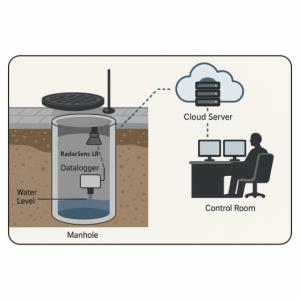
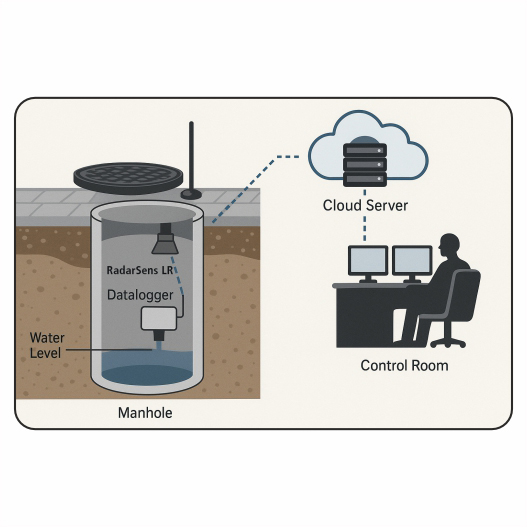
RadarSens LR integrates with telemetry systems (2G/3G/4G/LTE-M) to transmit real-time data to a central dashboard, enabling remote monitoring without frequent site visits.
How can I detect blockages in sewer pipelines early?
RadarSens LR tracks changes in water level trends, signal strength, and flow patterns. Sudden or abnormal level increases can indicate blockages, allowing early intervention before failure.
Can this system monitor deep sewer networks or manholes?
Yes, RadarSens LR is designed for deep installations and can measure levels up to 14 meters, making it suitable for large sewer and stormwater networks.
How does radar-based sewer monitoring work?
The sensor uses non-contact radar signals to measure the distance to the wastewater surface. This ensures accurate readings without touching the liquid, even in harsh conditions.
Why is radar better than traditional level sensors?
Radar sensors:
• Work reliably in gas, humidity, and turbulence
• Require minimal maintenance
• Provide consistent accuracy without contamination
This makes them more dependable than contact-based or ultrasonic sensors.
Is this system safe for hazardous sewer environments?
Yes, RadarSens LR is ATEX Zone-certified, making it safe for use in explosive or gas-filled sewer environments.
How accurate is the measurement?
RadarSens LR provides high-precision readings (up to millimeter-level accuracy), ensuring reliable monitoring of wastewater levels.
Can I monitor multiple sewer locations from one system?
Yes, data from multiple sensors can be transmitted to a central cloud platform, enabling centralized monitoring and management of entire sewer networks.
Does the system provide alerts during critical conditions?
Yes, it supports threshold-based alarms, notifying operators instantly when levels exceed safe limits, helping prevent flooding and overflow.
Does this system require frequent maintenance?
No, as a non-contact radar sensor, it avoids contamination and requires very low maintenance compared to traditional sensors.
What is a sewer overflow monitoring system used for?
It is used to:
• Monitor wastewater levels
• Detect blockages
• Prevent flooding
• Ensure regulatory compliance
Where is RadarSens LR typically used?
It is widely used in:
• Municipal sewer systems
• Stormwater drainage networks
• Industrial wastewater systems
• Smart city infrastructure
Can it work in remote or hard-to-access areas?
Yes, it is battery-powered (up to ~5 years) and uses wireless communication, making it ideal for remote locations.
How reliable is it for long-term monitoring?
RadarSens LR is designed for long-term deployment with:
IP68 protection
Continuous diagnostics
Remote data validation
ensuring dependable performance over years.
Is installation difficult in sewer environments?
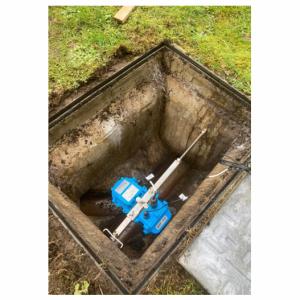
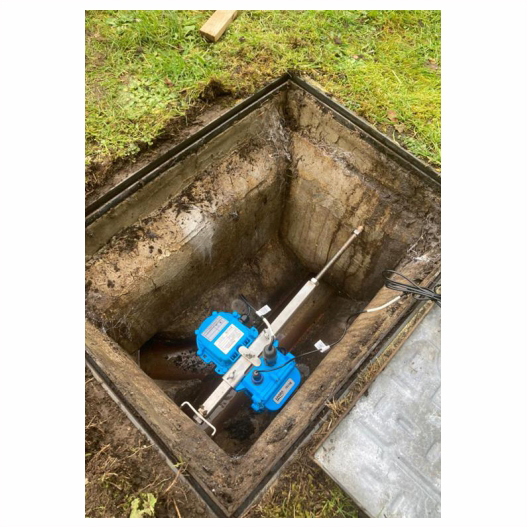
No, it supports non-invasive installation with bracket mounting and Bluetooth setup, reducing the need for confined space entry.
How can I prevent sewer overflow before it causes flooding?
The RadarSens LR continuously monitors wastewater levels in sewer and stormwater systems using radar technology. It sends alerts when levels rise beyond thresholds, allowing teams to take preventive action before overflow occurs.
What is the best way to monitor sewer levels remotely?
RadarSens LR integrates with telemetry systems (2G/3G/4G/LTE-M) to transmit real-time data to a central dashboard, enabling remote monitoring without frequent site visits.
How can I detect blockages in sewer pipelines early?
RadarSens LR tracks changes in water level trends, signal strength, and flow patterns. Sudden or abnormal level increases can indicate blockages, allowing early intervention before failure.
Can this system monitor deep sewer networks or manholes?
Yes, RadarSens LR is designed for deep installations and can measure levels up to 14 meters, making it suitable for large sewer and stormwater networks.
How does radar-based sewer monitoring work?
The sensor uses non-contact radar signals to measure the distance to the wastewater surface. This ensures accurate readings without touching the liquid, even in harsh conditions.
Why is radar better than traditional level sensors?
Radar sensors:
• Work reliably in gas, humidity, and turbulence
• Require minimal maintenance
• Provide consistent accuracy without contamination
This makes them more dependable than contact-based or ultrasonic sensors.
Is this system safe for hazardous sewer environments?
Yes, RadarSens LR is ATEX Zone-certified, making it safe for use in explosive or gas-filled sewer environments.
How accurate is the measurement?
RadarSens LR provides high-precision readings (up to millimeter-level accuracy), ensuring reliable monitoring of wastewater levels.
Can I monitor multiple sewer locations from one system?
Yes, data from multiple sensors can be transmitted to a central cloud platform, enabling centralized monitoring and management of entire sewer networks.
Does the system provide alerts during critical conditions?
Yes, it supports threshold-based alarms, notifying operators instantly when levels exceed safe limits, helping prevent flooding and overflow.
Does this system require frequent maintenance?
No, as a non-contact radar sensor, it avoids contamination and requires very low maintenance compared to traditional sensors.
What is a sewer overflow monitoring system used for?
It is used to:
• Monitor wastewater levels
• Detect blockages
• Prevent flooding
• Ensure regulatory compliance
Where is RadarSens LR typically used?
It is widely used in:
• Municipal sewer systems
• Stormwater drainage networks
• Industrial wastewater systems
• Smart city infrastructure
Can it work in remote or hard-to-access areas?
Yes, it is battery-powered (up to ~5 years) and uses wireless communication, making it ideal for remote locations.
How reliable is it for long-term monitoring?
RadarSens LR is designed for long-term deployment with:
IP68 protection
Continuous diagnostics
Remote data validation
ensuring dependable performance over years.
Is installation difficult in sewer environments?
No, it supports non-invasive installation with bracket mounting and Bluetooth setup, reducing the need for confined space entry.
How can I prevent sewer overflow before it causes flooding?
The RadarSens LR continuously monitors wastewater levels in sewer and stormwater systems using radar technology. It sends alerts when levels rise beyond thresholds, allowing teams to take preventive action before overflow occurs.
What is the best way to monitor sewer levels remotely?
RadarSens LR integrates with telemetry systems (2G/3G/4G/LTE-M) to transmit real-time data to a central dashboard, enabling remote monitoring without frequent site visits.
How can I detect blockages in sewer pipelines early?
RadarSens LR tracks changes in water level trends, signal strength, and flow patterns. Sudden or abnormal level increases can indicate blockages, allowing early intervention before failure.
Can this system monitor deep sewer networks or manholes?
Yes, RadarSens LR is designed for deep installations and can measure levels up to 14 meters, making it suitable for large sewer and stormwater networks.
How does radar-based sewer monitoring work?
The sensor uses non-contact radar signals to measure the distance to the wastewater surface. This ensures accurate readings without touching the liquid, even in harsh conditions.
Why is radar better than traditional level sensors?
Radar sensors:
• Work reliably in gas, humidity, and turbulence
• Require minimal maintenance
• Provide consistent accuracy without contamination
This makes them more dependable than contact-based or ultrasonic sensors.
Is this system safe for hazardous sewer environments?
Yes, RadarSens LR is ATEX Zone-certified, making it safe for use in explosive or gas-filled sewer environments.
How accurate is the measurement?
RadarSens LR provides high-precision readings (up to millimeter-level accuracy), ensuring reliable monitoring of wastewater levels.
Can I monitor multiple sewer locations from one system?
Yes, data from multiple sensors can be transmitted to a central cloud platform, enabling centralized monitoring and management of entire sewer networks.
Does the system provide alerts during critical conditions?
Yes, it supports threshold-based alarms, notifying operators instantly when levels exceed safe limits, helping prevent flooding and overflow.
Does this system require frequent maintenance?
No, as a non-contact radar sensor, it avoids contamination and requires very low maintenance compared to traditional sensors.
What is a sewer overflow monitoring system used for?
It is used to:
• Monitor wastewater levels
• Detect blockages
• Prevent flooding
• Ensure regulatory compliance
Where is RadarSens LR typically used?
It is widely used in:
• Municipal sewer systems
• Stormwater drainage networks
• Industrial wastewater systems
• Smart city infrastructure
Can it work in remote or hard-to-access areas?
Yes, it is battery-powered (up to ~5 years) and uses wireless communication, making it ideal for remote locations.
How reliable is it for long-term monitoring?
RadarSens LR is designed for long-term deployment with:
IP68 protection
Continuous diagnostics
Remote data validation
ensuring dependable performance over years.
Is installation difficult in sewer environments?
No, it supports non-invasive installation with bracket mounting and Bluetooth setup, reducing the need for confined space entry.
How can I prevent sewer overflow before it causes flooding?
The RadarSens LR continuously monitors wastewater levels in sewer and stormwater systems using radar technology. It sends alerts when levels rise beyond thresholds, allowing teams to take preventive action before overflow occurs.
What is the best way to monitor sewer levels remotely?
RadarSens LR integrates with telemetry systems (2G/3G/4G/LTE-M) to transmit real-time data to a central dashboard, enabling remote monitoring without frequent site visits.
How can I detect blockages in sewer pipelines early?
RadarSens LR tracks changes in water level trends, signal strength, and flow patterns. Sudden or abnormal level increases can indicate blockages, allowing early intervention before failure.
Can this system monitor deep sewer networks or manholes?
Yes, RadarSens LR is designed for deep installations and can measure levels up to 14 meters, making it suitable for large sewer and stormwater networks.
How does radar-based sewer monitoring work?
The sensor uses non-contact radar signals to measure the distance to the wastewater surface. This ensures accurate readings without touching the liquid, even in harsh conditions.
Why is radar better than traditional level sensors?
Radar sensors:
• Work reliably in gas, humidity, and turbulence
• Require minimal maintenance
• Provide consistent accuracy without contamination
This makes them more dependable than contact-based or ultrasonic sensors.
Is this system safe for hazardous sewer environments?
Yes, RadarSens LR is ATEX Zone-certified, making it safe for use in explosive or gas-filled sewer environments.
How accurate is the measurement?
RadarSens LR provides high-precision readings (up to millimeter-level accuracy), ensuring reliable monitoring of wastewater levels.
Can I monitor multiple sewer locations from one system?
Yes, data from multiple sensors can be transmitted to a central cloud platform, enabling centralized monitoring and management of entire sewer networks.
Does the system provide alerts during critical conditions?
Yes, it supports threshold-based alarms, notifying operators instantly when levels exceed safe limits, helping prevent flooding and overflow.
Does this system require frequent maintenance?
No, as a non-contact radar sensor, it avoids contamination and requires very low maintenance compared to traditional sensors.
What is a sewer overflow monitoring system used for?
It is used to:
• Monitor wastewater levels
• Detect blockages
• Prevent flooding
• Ensure regulatory compliance
Where is RadarSens LR typically used?
It is widely used in:
• Municipal sewer systems
• Stormwater drainage networks
• Industrial wastewater systems
• Smart city infrastructure
Can it work in remote or hard-to-access areas?
Yes, it is battery-powered (up to ~5 years) and uses wireless communication, making it ideal for remote locations.
How reliable is it for long-term monitoring?
RadarSens LR is designed for long-term deployment with:
IP68 protection
Continuous diagnostics
Remote data validation
ensuring dependable performance over years.
Is installation difficult in sewer environments?
No, it supports non-invasive installation with bracket mounting and Bluetooth setup, reducing the need for confined space entry.
How can I prevent sewer overflow before it causes flooding?
The RadarSens LR continuously monitors wastewater levels in sewer and stormwater systems using radar technology. It sends alerts when levels rise beyond thresholds, allowing teams to take preventive action before overflow occurs.
What is the best way to monitor sewer levels remotely?
RadarSens LR integrates with telemetry systems (2G/3G/4G/LTE-M) to transmit real-time data to a central dashboard, enabling remote monitoring without frequent site visits.
How can I detect blockages in sewer pipelines early?
RadarSens LR tracks changes in water level trends, signal strength, and flow patterns. Sudden or abnormal level increases can indicate blockages, allowing early intervention before failure.
Can this system monitor deep sewer networks or manholes?
Yes, RadarSens LR is designed for deep installations and can measure levels up to 14 meters, making it suitable for large sewer and stormwater networks.
How does radar-based sewer monitoring work?
The sensor uses non-contact radar signals to measure the distance to the wastewater surface. This ensures accurate readings without touching the liquid, even in harsh conditions.
Why is radar better than traditional level sensors?
Radar sensors:
• Work reliably in gas, humidity, and turbulence
• Require minimal maintenance
• Provide consistent accuracy without contamination
This makes them more dependable than contact-based or ultrasonic sensors.
Is this system safe for hazardous sewer environments?
Yes, RadarSens LR is ATEX Zone-certified, making it safe for use in explosive or gas-filled sewer environments.
How accurate is the measurement?
RadarSens LR provides high-precision readings (up to millimeter-level accuracy), ensuring reliable monitoring of wastewater levels.
Can I monitor multiple sewer locations from one system?
Yes, data from multiple sensors can be transmitted to a central cloud platform, enabling centralized monitoring and management of entire sewer networks.
Does the system provide alerts during critical conditions?
Yes, it supports threshold-based alarms, notifying operators instantly when levels exceed safe limits, helping prevent flooding and overflow.
Does this system require frequent maintenance?
No, as a non-contact radar sensor, it avoids contamination and requires very low maintenance compared to traditional sensors.
What is a sewer overflow monitoring system used for?
It is used to:
• Monitor wastewater levels
• Detect blockages
• Prevent flooding
• Ensure regulatory compliance
Where is RadarSens LR typically used?
It is widely used in:
• Municipal sewer systems
• Stormwater drainage networks
• Industrial wastewater systems
• Smart city infrastructure
Can it work in remote or hard-to-access areas?
Yes, it is battery-powered (up to ~5 years) and uses wireless communication, making it ideal for remote locations.
How reliable is it for long-term monitoring?
RadarSens LR is designed for long-term deployment with:
IP68 protection
Continuous diagnostics
Remote data validation
ensuring dependable performance over years.
Is installation difficult in sewer environments?
No, it supports non-invasive installation with bracket mounting and Bluetooth setup, reducing the need for confined space entry.
How can I prevent sewer overflow before it causes flooding?
The RadarSens LR continuously monitors wastewater levels in sewer and stormwater systems using radar technology. It sends alerts when levels rise beyond thresholds, allowing teams to take preventive action before overflow occurs.
What is the best way to monitor sewer levels remotely?
RadarSens LR integrates with telemetry systems (2G/3G/4G/LTE-M) to transmit real-time data to a central dashboard, enabling remote monitoring without frequent site visits.
How can I detect blockages in sewer pipelines early?
RadarSens LR tracks changes in water level trends, signal strength, and flow patterns. Sudden or abnormal level increases can indicate blockages, allowing early intervention before failure.
Can this system monitor deep sewer networks or manholes?
Yes, RadarSens LR is designed for deep installations and can measure levels up to 14 meters, making it suitable for large sewer and stormwater networks.
How does radar-based sewer monitoring work?
The sensor uses non-contact radar signals to measure the distance to the wastewater surface. This ensures accurate readings without touching the liquid, even in harsh conditions.
Why is radar better than traditional level sensors?
Radar sensors:
• Work reliably in gas, humidity, and turbulence
• Require minimal maintenance
• Provide consistent accuracy without contamination
This makes them more dependable than contact-based or ultrasonic sensors.
Is this system safe for hazardous sewer environments?
Yes, RadarSens LR is ATEX Zone-certified, making it safe for use in explosive or gas-filled sewer environments.
How accurate is the measurement?
RadarSens LR provides high-precision readings (up to millimeter-level accuracy), ensuring reliable monitoring of wastewater levels.
Can I monitor multiple sewer locations from one system?
Yes, data from multiple sensors can be transmitted to a central cloud platform, enabling centralized monitoring and management of entire sewer networks.
Does the system provide alerts during critical conditions?
Yes, it supports threshold-based alarms, notifying operators instantly when levels exceed safe limits, helping prevent flooding and overflow.
Does this system require frequent maintenance?
No, as a non-contact radar sensor, it avoids contamination and requires very low maintenance compared to traditional sensors.
What is a sewer overflow monitoring system used for?
It is used to:
• Monitor wastewater levels
• Detect blockages
• Prevent flooding
• Ensure regulatory compliance
Where is RadarSens LR typically used?
It is widely used in:
• Municipal sewer systems
• Stormwater drainage networks
• Industrial wastewater systems
• Smart city infrastructure
Can it work in remote or hard-to-access areas?
Yes, it is battery-powered (up to ~5 years) and uses wireless communication, making it ideal for remote locations.
How reliable is it for long-term monitoring?
RadarSens LR is designed for long-term deployment with:
IP68 protection
Continuous diagnostics
Remote data validation
ensuring dependable performance over years.
Is installation difficult in sewer environments?
No, it supports non-invasive installation with bracket mounting and Bluetooth setup, reducing the need for confined space entry.
How can I prevent sewer overflow before it causes flooding?
The RadarSens LR continuously monitors wastewater levels in sewer and stormwater systems using radar technology. It sends alerts when levels rise beyond thresholds, allowing teams to take preventive action before overflow occurs.
What is the best way to monitor sewer levels remotely?
RadarSens LR integrates with telemetry systems (2G/3G/4G/LTE-M) to transmit real-time data to a central dashboard, enabling remote monitoring without frequent site visits.
How can I detect blockages in sewer pipelines early?
RadarSens LR tracks changes in water level trends, signal strength, and flow patterns. Sudden or abnormal level increases can indicate blockages, allowing early intervention before failure.
Can this system monitor deep sewer networks or manholes?
Yes, RadarSens LR is designed for deep installations and can measure levels up to 14 meters, making it suitable for large sewer and stormwater networks.
How does radar-based sewer monitoring work?
The sensor uses non-contact radar signals to measure the distance to the wastewater surface. This ensures accurate readings without touching the liquid, even in harsh conditions.
Why is radar better than traditional level sensors?
Radar sensors:
• Work reliably in gas, humidity, and turbulence
• Require minimal maintenance
• Provide consistent accuracy without contamination
This makes them more dependable than contact-based or ultrasonic sensors.
Is this system safe for hazardous sewer environments?
Yes, RadarSens LR is ATEX Zone-certified, making it safe for use in explosive or gas-filled sewer environments.
How accurate is the measurement?
RadarSens LR provides high-precision readings (up to millimeter-level accuracy), ensuring reliable monitoring of wastewater levels.
Can I monitor multiple sewer locations from one system?
Yes, data from multiple sensors can be transmitted to a central cloud platform, enabling centralized monitoring and management of entire sewer networks.
Does the system provide alerts during critical conditions?
Yes, it supports threshold-based alarms, notifying operators instantly when levels exceed safe limits, helping prevent flooding and overflow.
Does this system require frequent maintenance?
No, as a non-contact radar sensor, it avoids contamination and requires very low maintenance compared to traditional sensors.
What is a sewer overflow monitoring system used for?
It is used to:
• Monitor wastewater levels
• Detect blockages
• Prevent flooding
• Ensure regulatory compliance
Where is RadarSens LR typically used?
It is widely used in:
• Municipal sewer systems
• Stormwater drainage networks
• Industrial wastewater systems
• Smart city infrastructure
Can it work in remote or hard-to-access areas?
Yes, it is battery-powered (up to ~5 years) and uses wireless communication, making it ideal for remote locations.
How reliable is it for long-term monitoring?
RadarSens LR is designed for long-term deployment with:
IP68 protection
Continuous diagnostics
Remote data validation
ensuring dependable performance over years.
Is installation difficult in sewer environments?
No, it supports non-invasive installation with bracket mounting and Bluetooth setup, reducing the need for confined space entry.