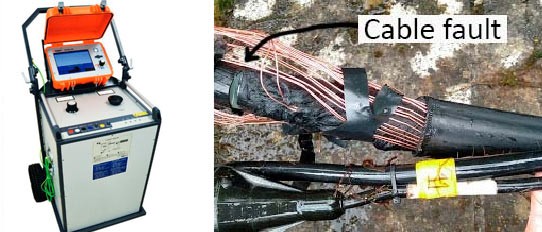
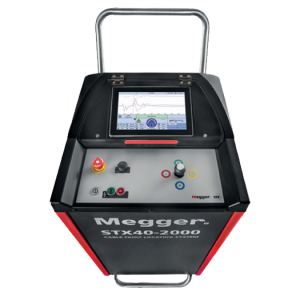
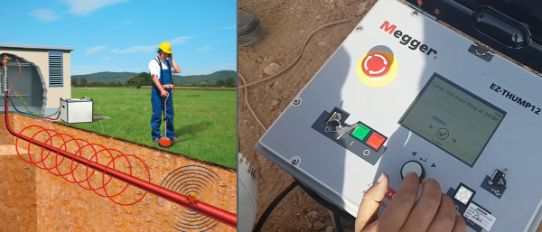
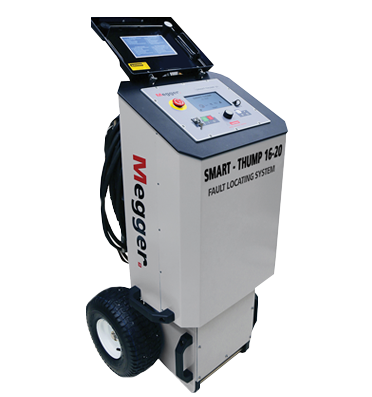
How can I quickly locate faults in underground telecom cables?
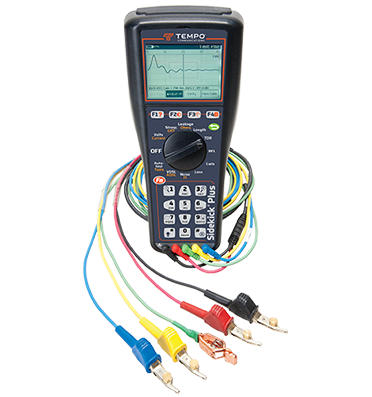
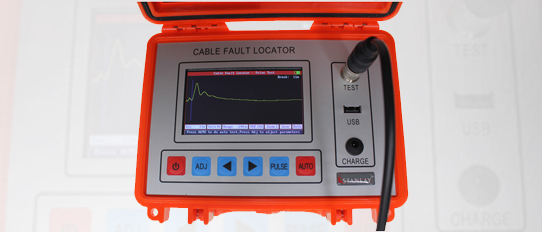
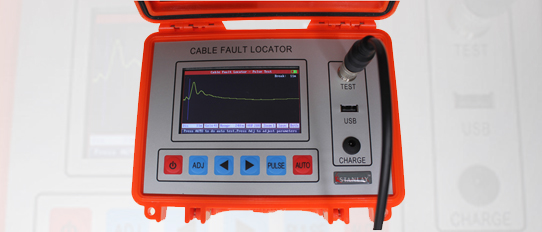
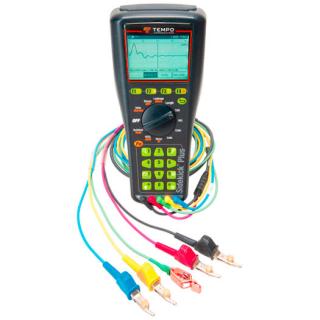
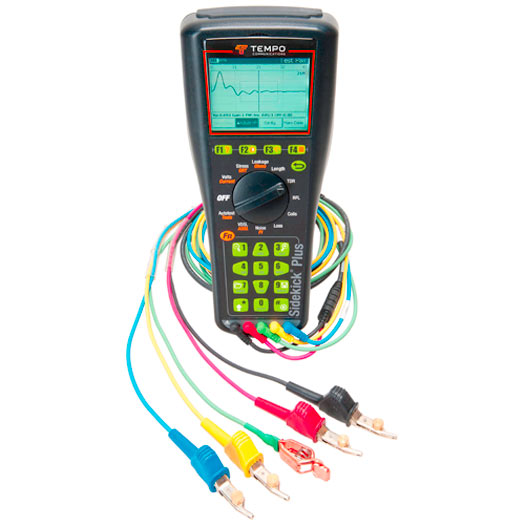
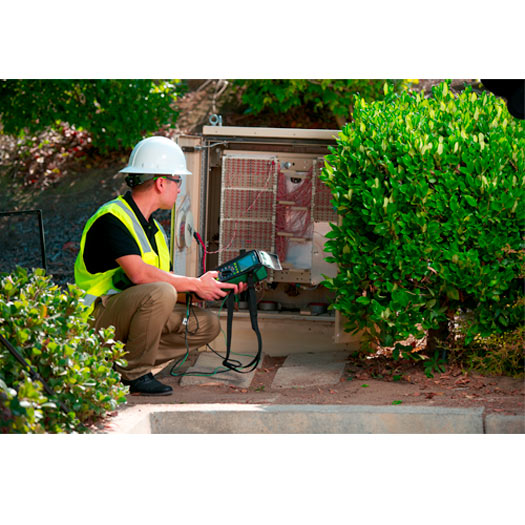
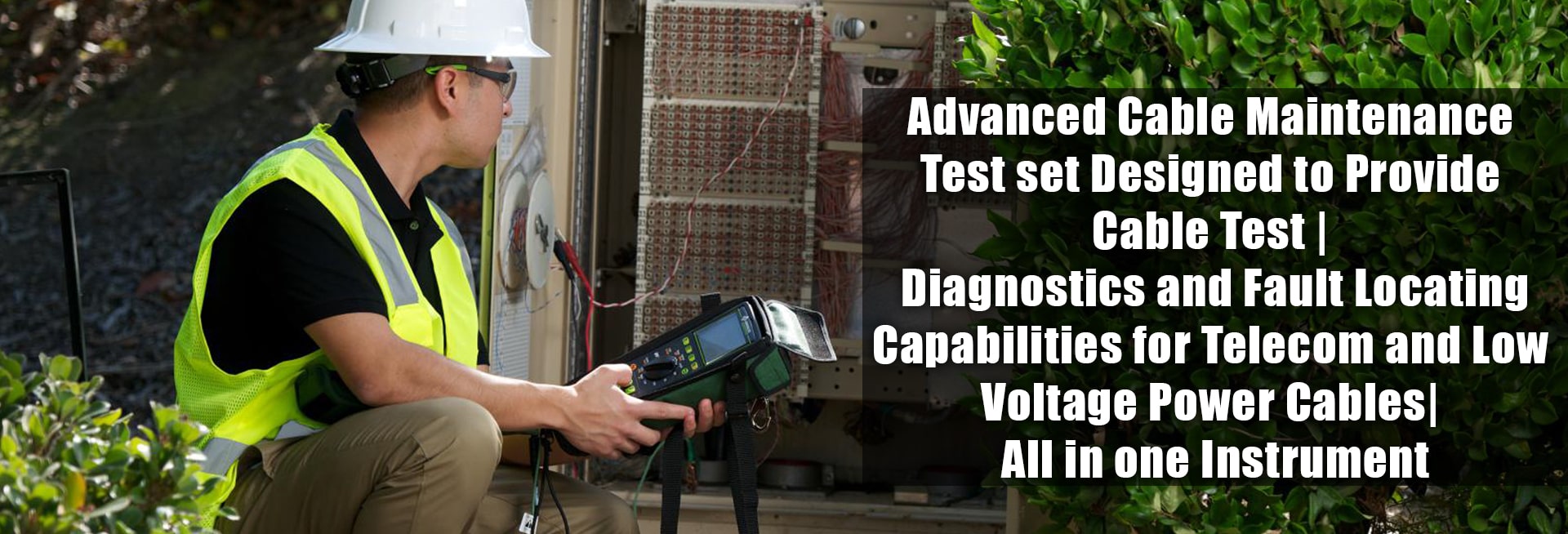
The Sidekick Plus uses Time Domain Reflectometry (TDR) to detect and locate faults such as opens, shorts, and impedance changes along the cable, helping technicians pinpoint exact fault locations without excavation.
What is the best way to diagnose cable faults over long distances?
This device combines:
• TDR (up to ~10 km fault location)
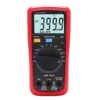
• Resistive Fault Locator (up to ~60 km)
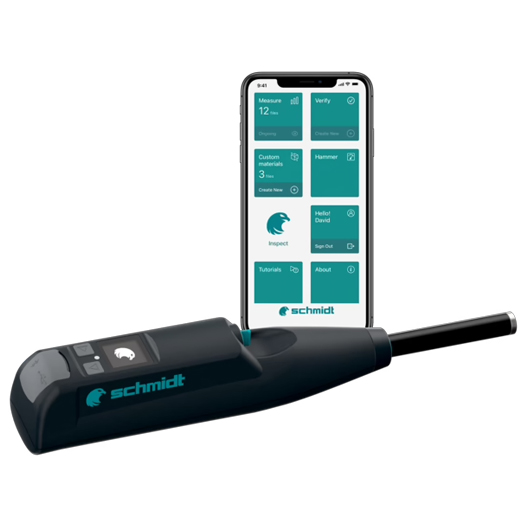
allowing accurate fault detection across both short and long cable networks.
How does the TDR function in the Sidekick Plus locate cable faults?
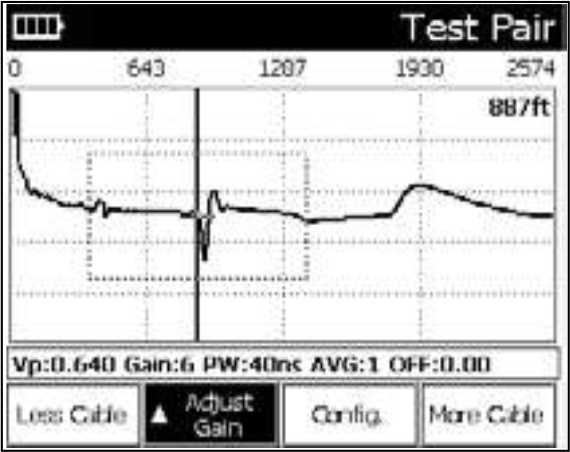
The Sidekick Plus uses Time Domain Reflectometry (TDR), where a pulse is transmitted through the cable. When the pulse encounters a fault (open, short, impedance mismatch), it reflects back.
How do I identify cable issues before they cause network failure?
The system performs comprehensive cable diagnostics, including stress tests, longitudinal balance, and noise analysis, helping detect issues early before service disruptions occur.
How does a TDR cable fault locator work?
A TDR sends a signal pulse through the cable and measures reflections caused by faults. By analyzing the reflected signal, it calculates the distance to the fault location accurately.
What types of faults can this device detect?
It can detect:
• Open circuits
• Short circuits
• High resistance faults
• Insulation leakage
• Cable degradation making it suitable for telecom and low-voltage power cables.
Does it support DSL and broadband testing?
Yes, Sidekick Plus supports ADSL/VDSL testing and synchronization checks, making it ideal for broadband service providers.
What is the maximum range of the TDR in Sidekick Plus?
The TDR can locate faults typically up to ~10 km, depending on:
• Cable type
• Signal attenuation
• Fault characteristics
How does Resistive Fault Location (RFL) work in this device?
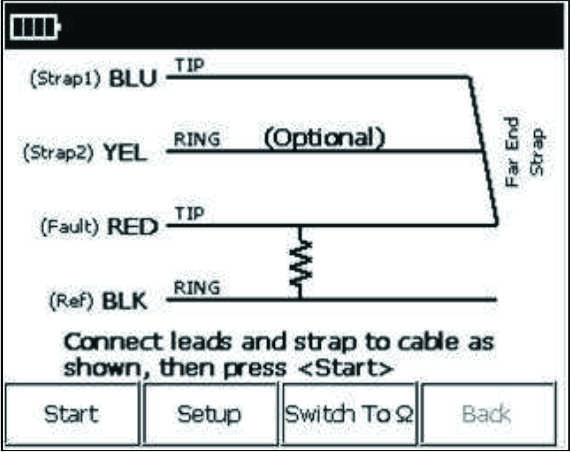
RFL is used for high-resistance faults in multi-conductor cables.
It works by:
• Measuring resistance imbalance between conductors
• Calculating fault distance using loop resistance
What types of cable faults can Sidekick Plus detect?
It can detect:
• Open circuits
• Short circuits
• High-resistance faults
• Bridge taps
• Water ingress (via impedance changes)
How does the device identify impedance mismatches?
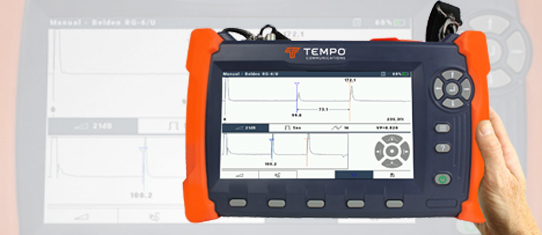
Impedance changes cause reflections in the TDR waveform.
The device displays:
• Positive reflection means open fault
• Negative reflection means short fault allowing engineers to interpret fault type visually.
Does the Sidekick Plus support data storage?
Yes, it can:
• Store test results
• Capture TDR traces
• Save diagnostic data
How can this improve field troubleshooting efficiency?
With:
• Auto-test (Pass/Fail reports)
• Data storage and USB export
• Fast diagnostics technicians can reduce troubleshooting time and complete repairs faster.
How accurate is the fault location?
With advanced dual-trace pulse TDR (zero dead zone), it provides precise fault location even near the cable start point.
Is it suitable for large telecom networks?
Yes, it is widely used in:
• Telecom networks
• Railway signaling systems
• Power distribution communication networks for maintaining large cable infrastructures.
How can I quickly locate faults in underground telecom cables?
The Sidekick Plus uses Time Domain Reflectometry (TDR) to detect and locate faults such as opens, shorts, and impedance changes along the cable, helping technicians pinpoint exact fault locations without excavation.
What is the best way to diagnose cable faults over long distances?
This device combines:
• TDR (up to ~10 km fault location)
• Resistive Fault Locator (up to ~60 km)
allowing accurate fault detection across both short and long cable networks.
How does the TDR function in the Sidekick Plus locate cable faults?
The Sidekick Plus uses Time Domain Reflectometry (TDR), where a pulse is transmitted through the cable. When the pulse encounters a fault (open, short, impedance mismatch), it reflects back.
How do I identify cable issues before they cause network failure?
The system performs comprehensive cable diagnostics, including stress tests, longitudinal balance, and noise analysis, helping detect issues early before service disruptions occur.
How does a TDR cable fault locator work?
A TDR sends a signal pulse through the cable and measures reflections caused by faults. By analyzing the reflected signal, it calculates the distance to the fault location accurately.
What types of faults can this device detect?
It can detect:
• Open circuits
• Short circuits
• High resistance faults
• Insulation leakage
• Cable degradation making it suitable for telecom and low-voltage power cables.
Does it support DSL and broadband testing?
Yes, Sidekick Plus supports ADSL/VDSL testing and synchronization checks, making it ideal for broadband service providers.
What is the maximum range of the TDR in Sidekick Plus?
The TDR can locate faults typically up to ~10 km, depending on:
• Cable type
• Signal attenuation
• Fault characteristics
How does Resistive Fault Location (RFL) work in this device?
RFL is used for high-resistance faults in multi-conductor cables.
It works by:
• Measuring resistance imbalance between conductors
• Calculating fault distance using loop resistance
What types of cable faults can Sidekick Plus detect?
It can detect:
• Open circuits
• Short circuits
• High-resistance faults
• Bridge taps
• Water ingress (via impedance changes)
How does the device identify impedance mismatches?
Impedance changes cause reflections in the TDR waveform.
The device displays:
• Positive reflection means open fault
• Negative reflection means short fault allowing engineers to interpret fault type visually.
Does the Sidekick Plus support data storage?
Yes, it can:
• Store test results
• Capture TDR traces
• Save diagnostic data
How can this improve field troubleshooting efficiency?
With:
• Auto-test (Pass/Fail reports)
• Data storage and USB export
• Fast diagnostics technicians can reduce troubleshooting time and complete repairs faster.
How accurate is the fault location?
With advanced dual-trace pulse TDR (zero dead zone), it provides precise fault location even near the cable start point.
Is it suitable for large telecom networks?
Yes, it is widely used in:
• Telecom networks
• Railway signaling systems
• Power distribution communication networks for maintaining large cable infrastructures.
How can I quickly locate faults in underground telecom cables?
The Sidekick Plus uses Time Domain Reflectometry (TDR) to detect and locate faults such as opens, shorts, and impedance changes along the cable, helping technicians pinpoint exact fault locations without excavation.
What is the best way to diagnose cable faults over long distances?
This device combines:
• TDR (up to ~10 km fault location)
• Resistive Fault Locator (up to ~60 km)
allowing accurate fault detection across both short and long cable networks.
How does the TDR function in the Sidekick Plus locate cable faults?
The Sidekick Plus uses Time Domain Reflectometry (TDR), where a pulse is transmitted through the cable. When the pulse encounters a fault (open, short, impedance mismatch), it reflects back.
How do I identify cable issues before they cause network failure?
The system performs comprehensive cable diagnostics, including stress tests, longitudinal balance, and noise analysis, helping detect issues early before service disruptions occur.
How does a TDR cable fault locator work?
A TDR sends a signal pulse through the cable and measures reflections caused by faults. By analyzing the reflected signal, it calculates the distance to the fault location accurately.
What types of faults can this device detect?
It can detect:
• Open circuits
• Short circuits
• High resistance faults
• Insulation leakage
• Cable degradation making it suitable for telecom and low-voltage power cables.
Does it support DSL and broadband testing?
Yes, Sidekick Plus supports ADSL/VDSL testing and synchronization checks, making it ideal for broadband service providers.
What is the maximum range of the TDR in Sidekick Plus?
The TDR can locate faults typically up to ~10 km, depending on:
• Cable type
• Signal attenuation
• Fault characteristics
How does Resistive Fault Location (RFL) work in this device?
RFL is used for high-resistance faults in multi-conductor cables.
It works by:
• Measuring resistance imbalance between conductors
• Calculating fault distance using loop resistance
What types of cable faults can Sidekick Plus detect?
It can detect:
• Open circuits
• Short circuits
• High-resistance faults
• Bridge taps
• Water ingress (via impedance changes)
How does the device identify impedance mismatches?
Impedance changes cause reflections in the TDR waveform.
The device displays:
• Positive reflection means open fault
• Negative reflection means short fault allowing engineers to interpret fault type visually.
Does the Sidekick Plus support data storage?
Yes, it can:
• Store test results
• Capture TDR traces
• Save diagnostic data
How can this improve field troubleshooting efficiency?
With:
• Auto-test (Pass/Fail reports)
• Data storage and USB export
• Fast diagnostics technicians can reduce troubleshooting time and complete repairs faster.
How accurate is the fault location?
With advanced dual-trace pulse TDR (zero dead zone), it provides precise fault location even near the cable start point.
Is it suitable for large telecom networks?
Yes, it is widely used in:
• Telecom networks
• Railway signaling systems
• Power distribution communication networks for maintaining large cable infrastructures.
How can I quickly locate faults in underground telecom cables?
The Sidekick Plus uses Time Domain Reflectometry (TDR) to detect and locate faults such as opens, shorts, and impedance changes along the cable, helping technicians pinpoint exact fault locations without excavation.
What is the best way to diagnose cable faults over long distances?
This device combines:
• TDR (up to ~10 km fault location)
• Resistive Fault Locator (up to ~60 km)
allowing accurate fault detection across both short and long cable networks.
How does the TDR function in the Sidekick Plus locate cable faults?
The Sidekick Plus uses Time Domain Reflectometry (TDR), where a pulse is transmitted through the cable. When the pulse encounters a fault (open, short, impedance mismatch), it reflects back.
How do I identify cable issues before they cause network failure?
The system performs comprehensive cable diagnostics, including stress tests, longitudinal balance, and noise analysis, helping detect issues early before service disruptions occur.
How does a TDR cable fault locator work?
A TDR sends a signal pulse through the cable and measures reflections caused by faults. By analyzing the reflected signal, it calculates the distance to the fault location accurately.
What types of faults can this device detect?
It can detect:
• Open circuits
• Short circuits
• High resistance faults
• Insulation leakage
• Cable degradation making it suitable for telecom and low-voltage power cables.
Does it support DSL and broadband testing?
Yes, Sidekick Plus supports ADSL/VDSL testing and synchronization checks, making it ideal for broadband service providers.
What is the maximum range of the TDR in Sidekick Plus?
The TDR can locate faults typically up to ~10 km, depending on:
• Cable type
• Signal attenuation
• Fault characteristics
How does Resistive Fault Location (RFL) work in this device?
RFL is used for high-resistance faults in multi-conductor cables.
It works by:
• Measuring resistance imbalance between conductors
• Calculating fault distance using loop resistance
What types of cable faults can Sidekick Plus detect?
It can detect:
• Open circuits
• Short circuits
• High-resistance faults
• Bridge taps
• Water ingress (via impedance changes)
How does the device identify impedance mismatches?
Impedance changes cause reflections in the TDR waveform.
The device displays:
• Positive reflection means open fault
• Negative reflection means short fault allowing engineers to interpret fault type visually.
Does the Sidekick Plus support data storage?
Yes, it can:
• Store test results
• Capture TDR traces
• Save diagnostic data
How can this improve field troubleshooting efficiency?
With:
• Auto-test (Pass/Fail reports)
• Data storage and USB export
• Fast diagnostics technicians can reduce troubleshooting time and complete repairs faster.
How accurate is the fault location?
With advanced dual-trace pulse TDR (zero dead zone), it provides precise fault location even near the cable start point.
Is it suitable for large telecom networks?
Yes, it is widely used in:
• Telecom networks
• Railway signaling systems
• Power distribution communication networks for maintaining large cable infrastructures.