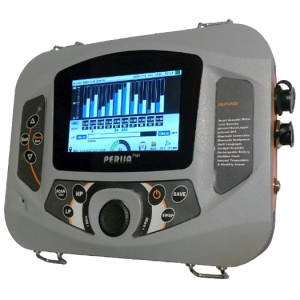
How can I inspect underground pipes without digging or dismantling them?
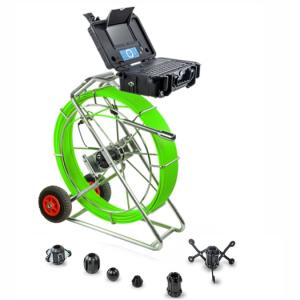
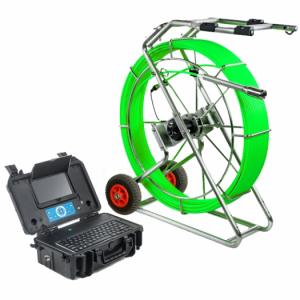
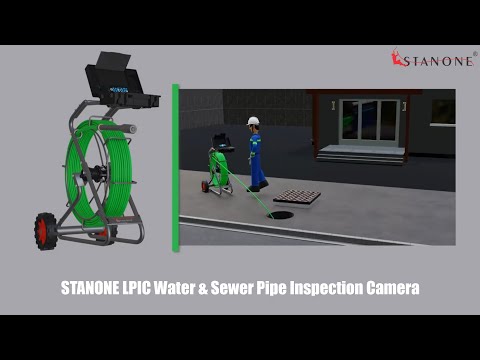
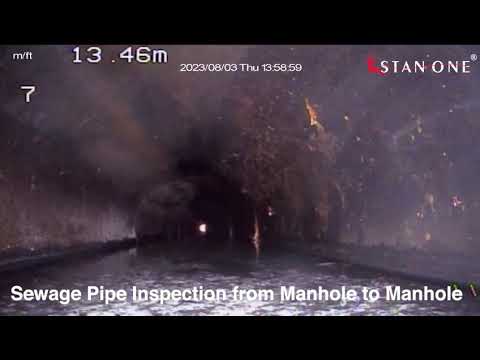
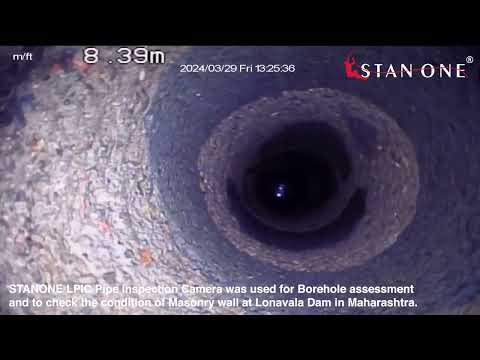
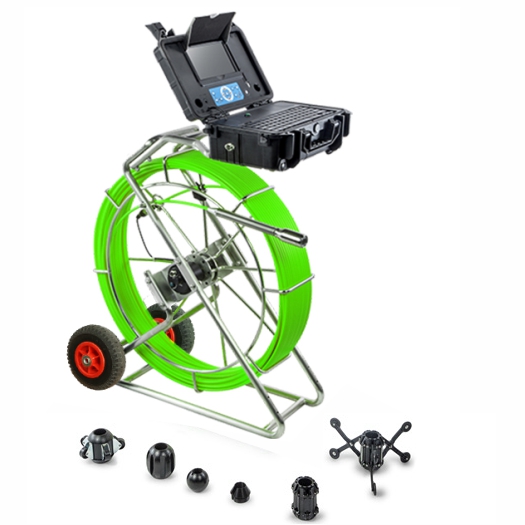
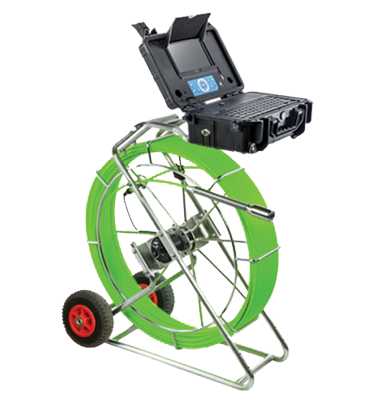
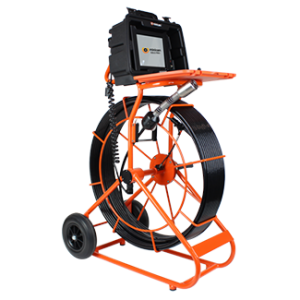
The LPIC inspection camera provides a live video feed from inside pipelines, allowing operators to identify issues like cracks, blockages, or corrosion without excavation, saving time and cost.
What is the best way to find blockages or damage inside sewer pipelines?
A pipe inspection camera enables real-time internal inspection, helping detect:
• Blockages
• Pipe cracks
• Root intrusion
• Collapsed sections quickly and accurately.
How do I diagnose pipeline problems before repair work?
By inserting the camera into the pipeline, technicians can visually confirm the issue before excavation, ensuring targeted repairs instead of guesswork.
Can I inspect long or deep pipelines efficiently?
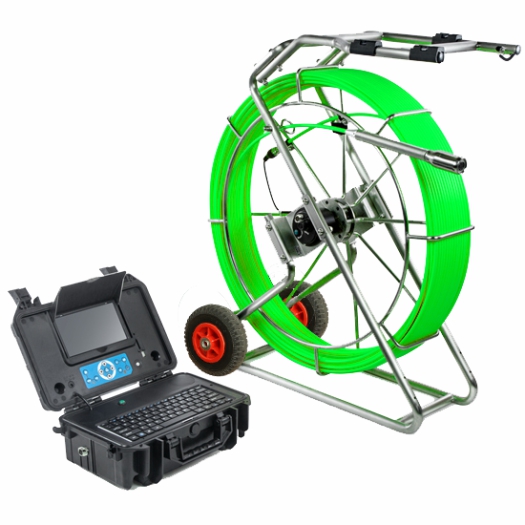
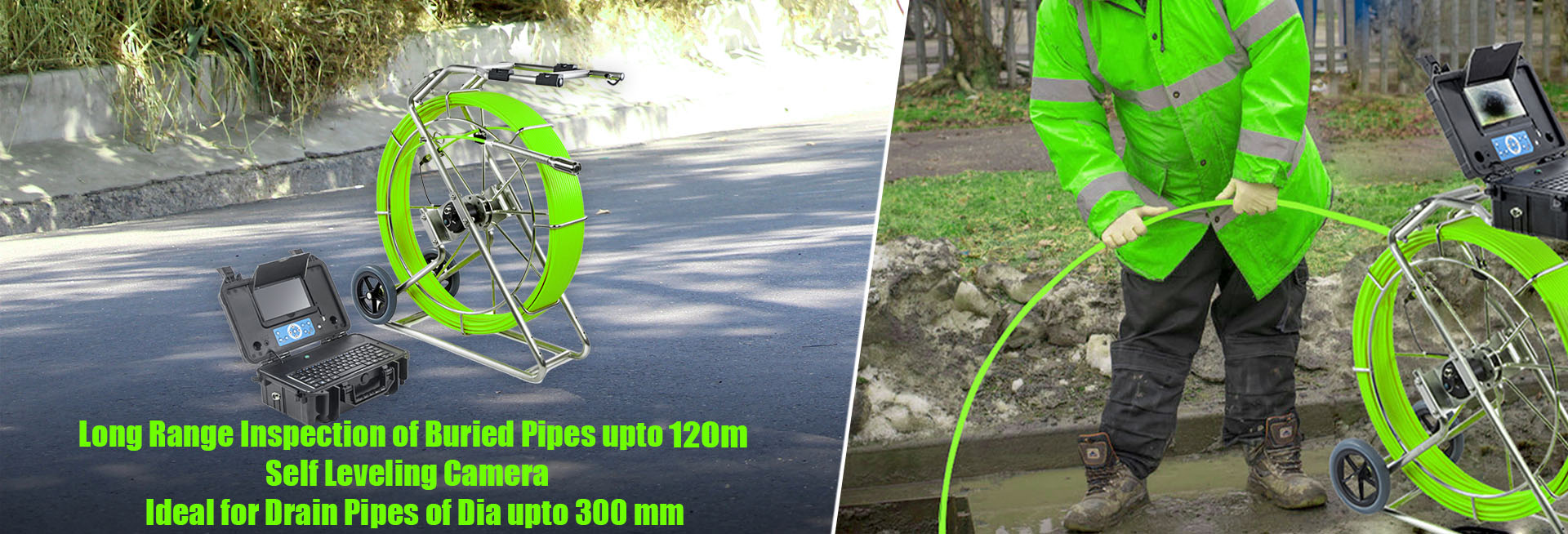
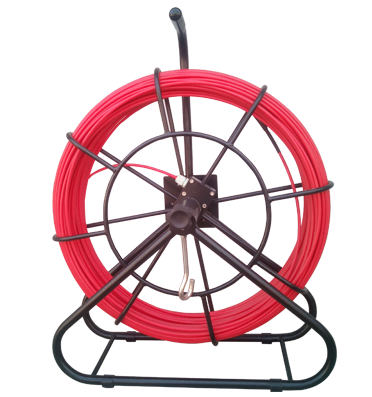
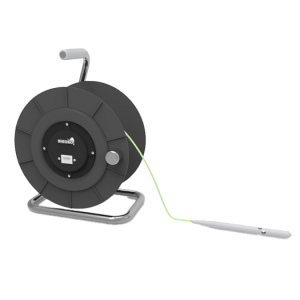
Industrial inspection cameras are designed with long push cables or crawler systems, allowing inspection over extended distances in sewer and industrial pipelines.
How does a pipe inspection camera work?
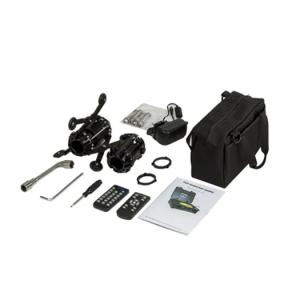
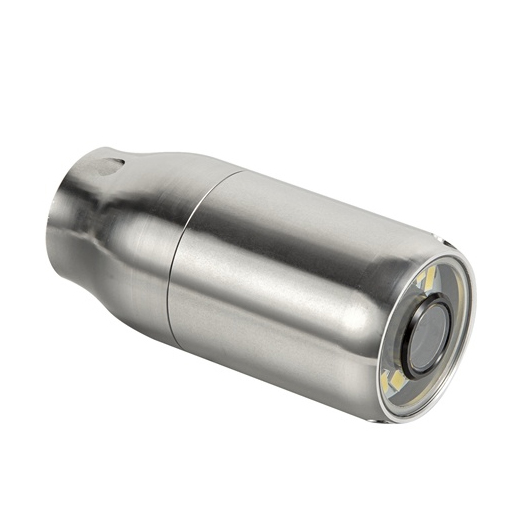
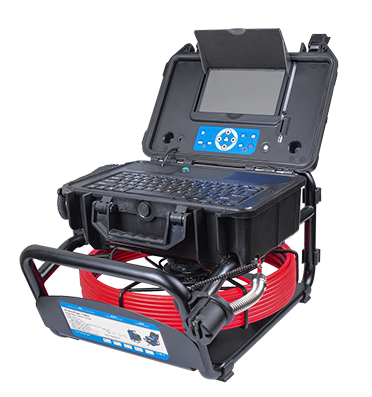
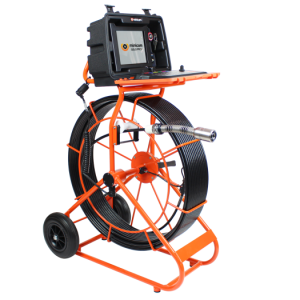
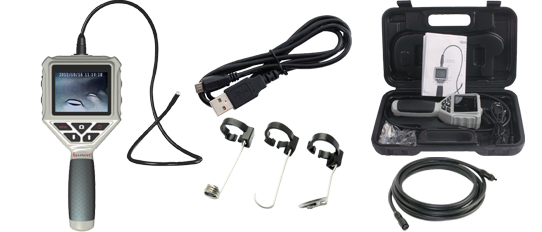
A waterproof camera with LED lights is inserted into the pipe, transmitting real-time video to a monitor, allowing operators to inspect the pipeline interior even in dark and wet environments.
What types of pipe inspection cameras are available?
There are different types depending on application:
• Push rod cameras (small pipes)
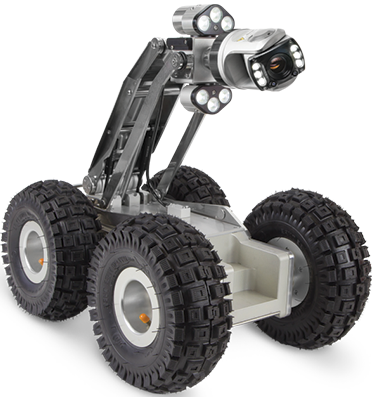
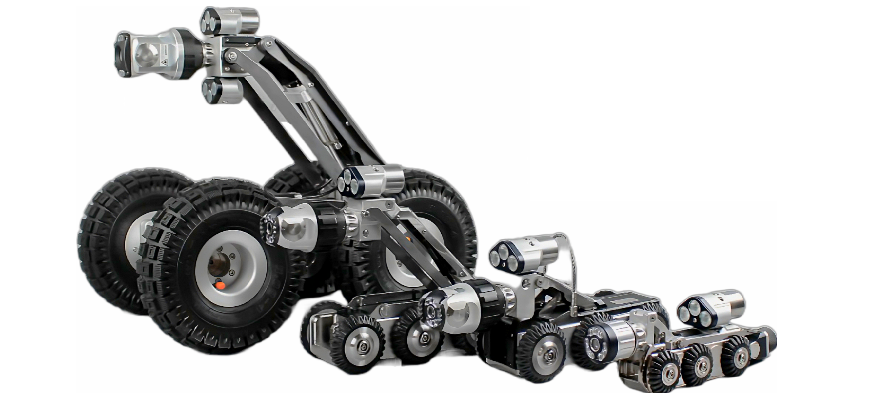
• Crawler cameras (large pipelines)
• Pan & tilt cameras (detailed inspection)
What is the field of view (FOV) of the camera?
Typically equipped with a wide-angle lens (~90° or more).
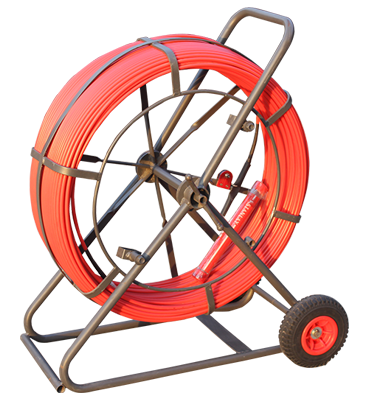
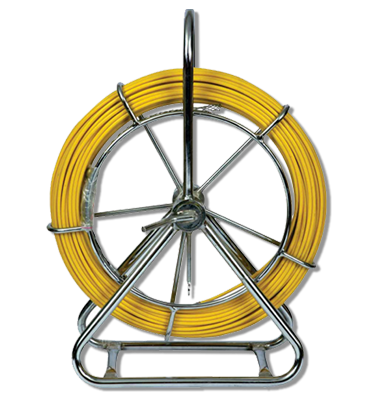
What rod (push cable) length options are available in the LPIC system?
The LPIC inspection system is available with multiple push rod lengths, typically:
60m / 100m / 120m
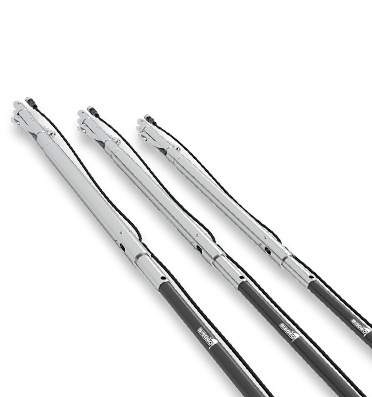
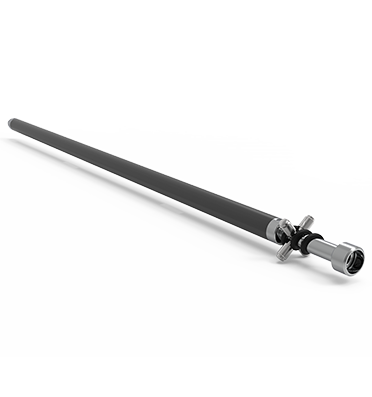
What is the push rod made of?
The rod is made from high-strength fiberglass composite.
Can the rod navigate bends in pipelines?
Yes, the push rod is designed to:
Pass through multiple bends
Maintain rigidity for forward push
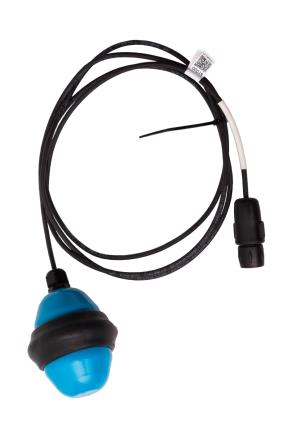
What type of camera is used in the LPIC system?
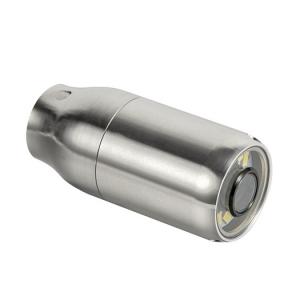
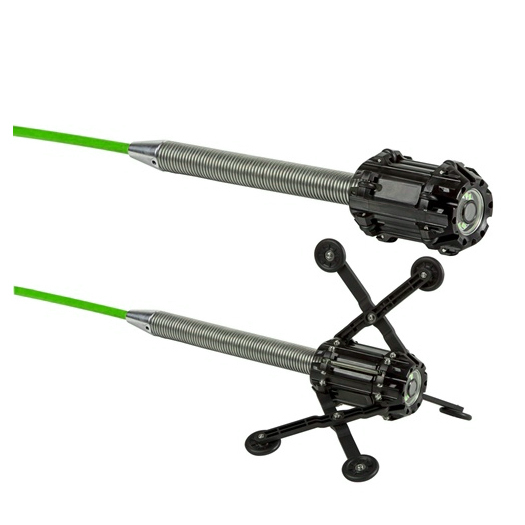
It uses a high-resolution industrial waterproof camera head.
Is the camera protected against water and pressure?
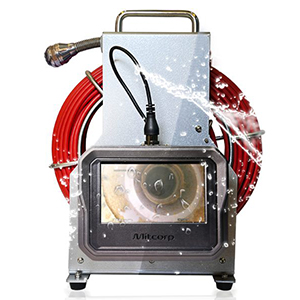
Yes, the camera head is: IP68 water proof up to 20 meters
Is the camera resistant to corrosion and chemicals?
Yes, it is built with:
Corrosion-resistant housing
What type of lighting is used in the camera?
The system includes: High-intensity adjustable LED lights
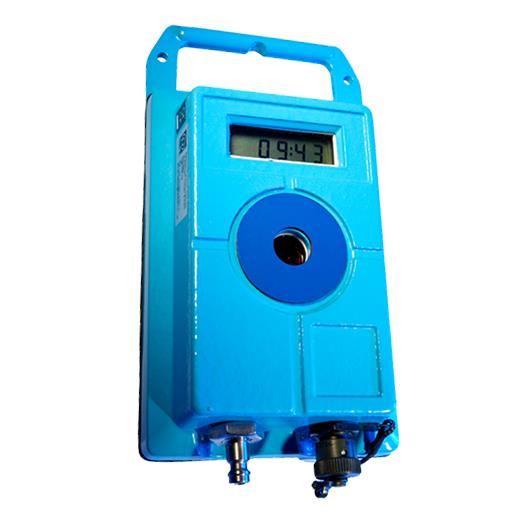
What type of display does the LPIC system use?
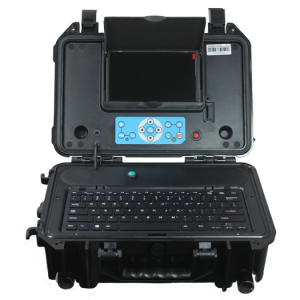
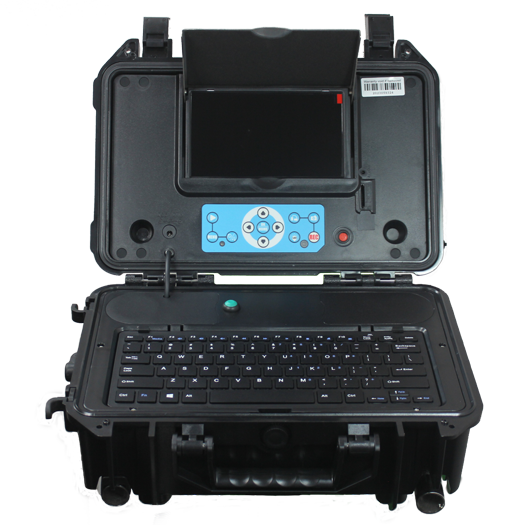
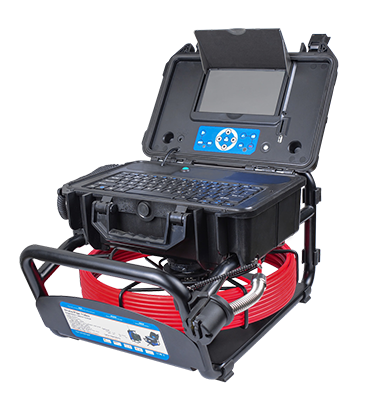
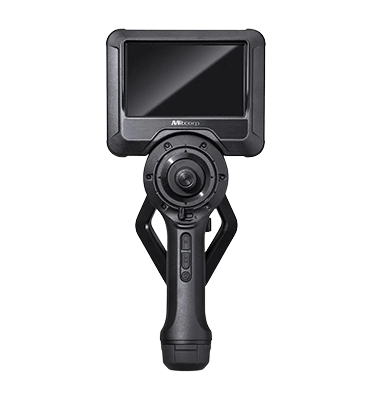
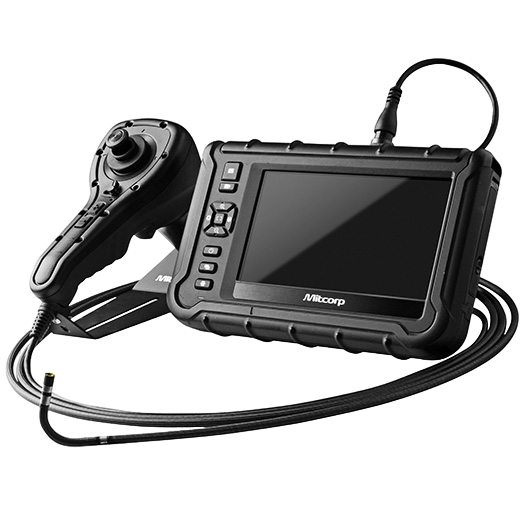
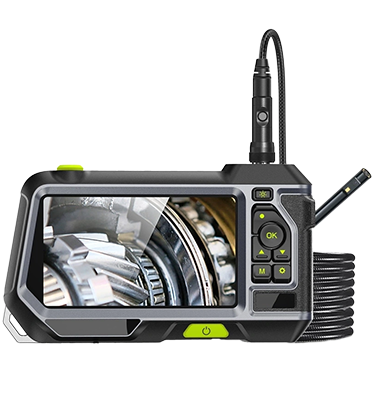
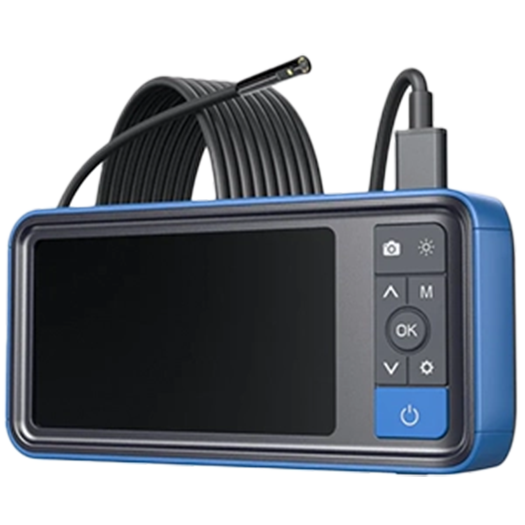
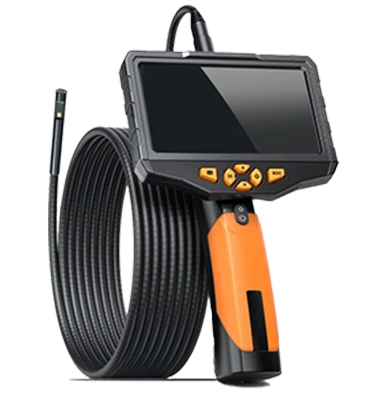
It includes a Integrated LCD screen 7- inch 16:9 Super bright HD color LCD screen
What are the advantages of the LCD display?
• Real-time video monitoring
• Clear image display
• Field-ready visibility
What storage options are available?
SD Card (up to 32GB)
What makes an industrial inspection camera different from basic models?
Industrial systems offer:
• Higher durability
• Longer cable lengths
• Advanced imaging
• Better performance in harsh environments
Is the LPIC difficult to operate?
No, modern systems are designed with user-friendly controls, live display screens, and simple operation for field technicians.
Can it inspect different pipe sizes?
Yes, different camera heads and systems are available to inspect pipes ranging from small diameters to large municipal pipelines. Ideal for inspecting pipes of dia 60 to 300 mm







.png)
.jpg)




.png)

.png)
.png)







.png)
.png)







.png)








.png)


.jpg)